
The Dangerous Theater of Trump's Iran Policy: When Rhetoric Outpaces Reality
Published
- 3 min read
The Contradictory Narrative Emerging From Washington
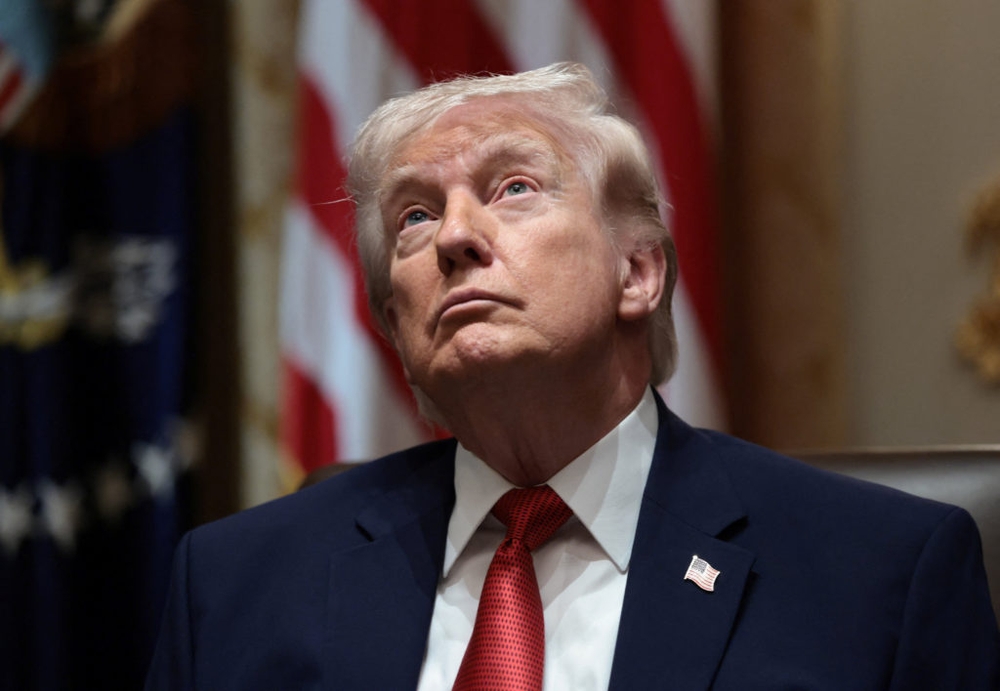
The recent Cabinet meeting revealed a deeply concerning disconnect between the Trump administration’s public statements and the realities of the Iran conflict. President Trump insisted that Iran is “begging” to make a deal while simultaneously maintaining aggressive military posturing. This contradictory messaging emerges against the backdrop of a confirmed 15-point ceasefire plan presented to Iran through Pakistani channels, as acknowledged by Trump envoy Steve Witkoff. The administration’s approach appears to be a confusing mixture of diplomatic overtures and military bravado that threatens to undermine both efforts.
Meanwhile, Vice President JD Vance made the startling claim that Iran’s conventional military has been “effectively destroyed” during the ongoing conflict, suggesting this destruction provides the United States with additional “options.” Defense Secretary Hegsth went further, characterizing the conflict as “pure American success” and claiming that “never in recorded history has a nation’s military been so quickly and so effectively neutralized.” These statements, while undoubtedly intended to project strength, raise serious questions about the administration’s commitment to truthful assessment and measured diplomacy.
The Economic and Global Implications
The economic dimensions of this conflict cannot be overstated. Treasury Secretary Scott Bessent made the puzzling claim that the Strait of Hormuz - through which 20% of the world’s oil typically flows - is not a “choke point,” despite overwhelming evidence to the contrary. Global oil prices have surged past $120 per barrel at times during this conflict, directly impacting consumers worldwide and threatening economic stability. President Trump’s assertion that the U.S. “doesn’t need the Hormuz Strait” because America has “so much oil” demonstrates a concerning lack of understanding about global energy markets and economic interdependence.
The administration’s handling of the economic fallout has been equally troubling. When questioned about suspending the federal gas tax to alleviate pressure on American consumers, Trump responded with uncertainty and deflection, suggesting states should handle the issue while simultaneously boasting about stock market performance. This response demonstrates a fundamental failure to address the real economic consequences of military engagement for ordinary Americans.
The Diplomatic Fallout and International Response
The administration’s approach has drawn significant international criticism, most notably from German President Frank-Walter Steinmeier, who characterized Trump’s aggression against Iran as a “dangerous mistake” in violation of international law. Rather than engaging with this substantive criticism, Trump dismissed it as “inappropriate” while drawing questionable parallels to U.S. involvement in Ukraine. This pattern of dismissing allied concerns and international legal standards represents a dangerous departure from America’s traditional role as a leader in the rules-based international order.
The use of Pakistan as an intermediary for back-channel communications, while potentially pragmatic, raises questions about the transparency and consistency of American diplomatic efforts. Trump’s revelation that Iran allowed “eight boats of oil” to pass through the Strait of Hormuz as an apparent “gift” or act of good faith suggests a concerning level of informality in dealing with matters of grave international importance.
The Concerning Normalization of Military Conflict
What emerges most disturbingly from this Cabinet meeting is the apparent normalization of military conflict and the destruction of another nation’s military capabilities. The casual discussion of having “neutralized” Iran’s military, the boasting about destruction achieved, and the characterization of these actions as “stuff for the history books” represents a dangerous departure from America’s traditional commitment to seeking peaceful resolution of conflicts. The language used suggests a celebration of military might rather than a sober assessment of the human and geopolitical costs of engagement.
The administration’s shifting deadlines and ambiguous ultimatums regarding the Strait of Hormuz - with Trump stating “in Trump time, a day… that’s an eternity” - demonstrate a concerning lack of strategic clarity and consistency. This ad hoc approach to matters of war and peace undermines American credibility and creates unnecessary uncertainty for allies and adversaries alike.
The Erosion of Diplomatic Norms and Institutions
The Trump administration’s approach to the Iran conflict represents a fundamental challenge to established diplomatic norms and institutions. By combining aggressive military action with contradictory diplomatic messages, the administration creates confusion about American intentions and undermines the possibility of genuine negotiated solutions. The boasting about military destruction while simultaneously claiming the adversary is “begging” for talks creates an environment where good faith negotiations become increasingly difficult.
The exclusion of most Cabinet members from speaking during this meeting, limiting commentary to a select few officials, suggests a concerning centralization of decision-making and information control. This approach limits the diversity of perspectives brought to bear on critical national security decisions and reduces the opportunity for thoughtful deliberation.
The Human Cost Behind the Rhetoric
Behind the administration’s boastful rhetoric about military success lies the grim reality of human suffering. The destruction of Iran’s military capabilities, if accurately described by administration officials, necessarily involves significant loss of life and infrastructure damage with long-term consequences for the Iranian people. The casual discussion of these outcomes without apparent consideration for humanitarian implications represents a troubling departure from America’s traditional values and commitment to minimizing civilian harm in conflict situations.
The impact on global energy markets and the resulting economic pressure on families worldwide further compounds the human cost of this conflict. The administration’s apparent disregard for these consequences - exemplified by claims that the Strait of Hormuz isn’t a critical choke point despite overwhelming evidence to the contrary - demonstrates a dangerous disconnect between policy decisions and their real-world impacts.
The Path Forward: Principles Over Politics
America must return to a foreign policy approach grounded in principles rather than political theater. This requires transparent diplomacy, respect for international law and institutions, clear strategic communication, and genuine commitment to peaceful conflict resolution. The current approach of combining military aggression with contradictory diplomatic messages undermines American credibility and makes sustainable solutions more difficult to achieve.
The United States has historically led through strength tempered by wisdom, through power balanced by principle. The approach revealed in this Cabinet meeting represents a dangerous departure from this tradition, favoring boastful rhetoric over thoughtful strategy and military action over diplomatic engagement. As citizens committed to democracy, freedom, and the responsible exercise of power, we must demand better from our leaders and insist on a foreign policy that reflects America’s highest values rather than its most base instincts.
The resolution of the Iran conflict requires serious diplomacy, respect for international norms, and genuine commitment to de-escalation. The theatrical posturing and contradictory messaging currently on display serve neither American interests nor global stability. It’s time for principled leadership that puts the long-term security and values of the American people ahead of short-term political theater.