
The Dangerous Volatility of Trump's Iran Policy: A Threat to Global Stability and Diplomatic Norms
Published
- 3 min read
The Facts: Conflicting Narratives and Market Turbulence
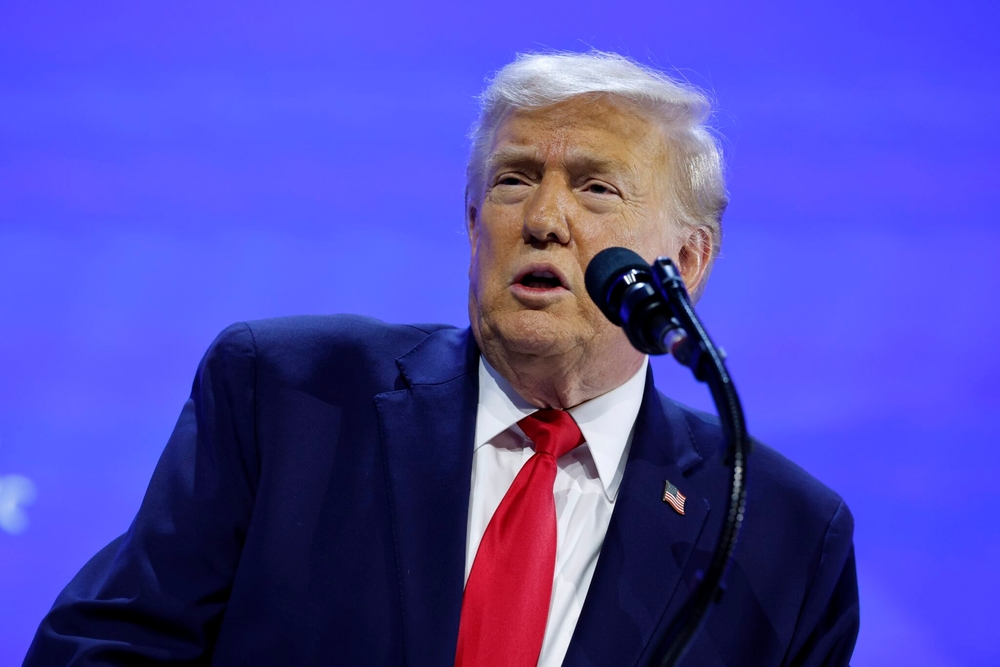
This week witnessed another extraordinary episode in U.S. foreign policy as President Donald Trump made conflicting statements regarding negotiations with Iran amid ongoing hostilities. On Monday, the President took to Truth Social to announce in all-caps that the United States and Iran “HAVE HAD, OVER THE LAST TWO DAYS, VERY GOOD AND PRODUCTIVE CONVERSATIONS REGARDING A COMPLETE AND TOTAL RESOLUTION OF OUR HOSTILITIES IN THE MIDDLE EAST.” This declaration came just two days after he had threatened to bomb Iran’s major energy infrastructure, creating significant volatility in global oil markets.
The immediate impact was dramatic: Trump’s social media post briefly brought Brent crude oil prices below $100 per barrel after his Saturday threat had spiked prices. This market turbulence reflects the real-world consequences of presidential communication on global economics. According to AAA, gasoline prices across the United States had soared to an average of $3.95 per gallon on Monday, up from $2.93 just a month ago, demonstrating how quickly energy costs can escalate during international crises.
Trump claimed that Iranian negotiators had agreed to a 15-point plan as the U.S.-Israeli war in Iran entered its fourth week. He specifically emphasized that Iran would never obtain nuclear weapons and suggested that the strategically vital Strait of Hormuz—through which approximately one-fifth of the world’s petroleum products pass—would “be opened very soon” if negotiations succeeded. Remarkably, he even floated the idea of joint control of the strait with “the ayatollah, whoever the ayatollah is,” displaying either diplomatic creativity or concerning unfamiliarity with Iran’s leadership structure.
The Iranian Denial and Geopolitical Context
Within hours of Trump’s announcement, Iran’s Foreign Ministry issued a firm denial that any such negotiations were underway. Mohammed-Bagher Ghalibaf, Speaker of Iran’s Parliament, reinforced this position on social media platform X, stating unequivocally that “No negotiations with America have taken place” and accusing the U.S. of spreading “fake news… to manipulate financial and oil markets and to escape the quagmire in which America and Israel are trapped.” This stark contradiction between the two nations’ accounts creates a dangerous situation where markets and allies must guess at reality.
The context of these developments cannot be overlooked: this conflict has entered its fourth week, with significant humanitarian and economic consequences already unfolding. The closure of the Strait of Hormuz by Iran represents a major escalation, effectively blocking shipping from Western and Persian Gulf nations and threatening global energy supplies. Meanwhile, Prime Minister Benjamin Netanyahu’s office remained silent on the matter as of noon Eastern time, leaving Israel’s position unclear amid these rapidly evolving claims and counterclaims.
The Erosion of Diplomatic Norms and Institutional Stability
What we are witnessing represents a fundamental breakdown of established diplomatic processes and institutional stability. The conduct of foreign policy through social media platforms—particularly in all-caps declarations that contradict official statements from other nations—undermines the careful, measured approach that international relations require. This isn’t merely about style; it’s about substance and the very foundations of how nations communicate during crises.
The volatility created by this approach has real consequences for American citizens and the global community. When oil prices swing dramatically based on presidential social media posts, consumers face uncertainty at the pump, businesses struggle to plan, and markets become increasingly susceptible to manipulation. This erratic communication style damages America’s credibility as a stable negotiating partner and reliable ally.
Furthermore, the casual discussion of military action—“we just keep bombing our little hearts out”—trivializes the grave responsibility of commanding the world’s most powerful military. Such language diminishes the seriousness of armed conflict and the profound human cost it entails. Leadership requires sober consideration of consequences, not flippant remarks about continuing bombardment if negotiations fail.
The Constitutional and Democratic Implications
This situation raises serious questions about constitutional governance and the proper conduct of foreign policy. The Framers of the Constitution established a system of checks and balances precisely to prevent impulsive decision-making in matters of war and peace. While the President serves as Commander-in-Chief, the conduct of foreign policy traditionally involves consultation with Congress, coordination with diplomatic professionals, and careful consideration through established channels.
The use of social media to announce major foreign policy developments bypasses these institutional safeguards and creates confusion among allies, adversaries, and the American public. When the President makes claims that are immediately contradicted by the other nation involved, it becomes impossible for citizens, lawmakers, and even administration officials to discern reality. This undermines democratic accountability and transparent governance.
The Human Cost of Policy Volatility
Beyond the political and economic implications, we must not lose sight of the human dimension. Conflicts in the Middle East have devastating human consequences—for American service members, for Iranian citizens, and for the region’s stability. Whiplash policy changes and contradictory statements create uncertainty that can prolong conflicts and increase suffering.
The suggestion that capturing Iran’s enriched uranium would be “very easy” demonstrates a concerning underestimation of the complexities involved in nuclear materials management. Such statements risk creating unrealistic expectations and downplaying the technical and security challenges of such operations.
A Call for Responsible Leadership
In a functioning democracy, foreign policy should be conducted with consistency, transparency, and respect for established processes. The current situation—where markets gyrate based on social media posts and nations issue contradictory accounts of diplomatic engagement—represents a dangerous departure from these norms.
America needs leadership that understands the gravity of international relations, the importance of credible communication, and the responsibility that comes with military power. Our allies must be able to trust our word, our adversaries must understand our resolve, and our citizens must have confidence that foreign policy is being conducted with careful deliberation rather than impulsive announcements.
The resolution of conflicts requires sustained diplomatic effort, not alternating between bombing threats and claims of breakthrough negotiations. True leadership means building coalitions, working through established channels, and maintaining consistency between words and actions. The volatility we’re witnessing serves neither American interests nor global stability.
As citizens committed to democratic values and responsible governance, we must demand better. The conduct of foreign policy is too important to be reduced to social media theatrics and contradictory statements. America’s role in the world depends on credibility, consistency, and commitment to the diplomatic processes that have maintained relative international stability for decades. We cannot afford to sacrifice these foundations for the sake of momentary market movements or political messaging.