
The Data Center Debate: Balancing Progress and Prudence in America's Digital Infrastructure
Published
- 3 min read
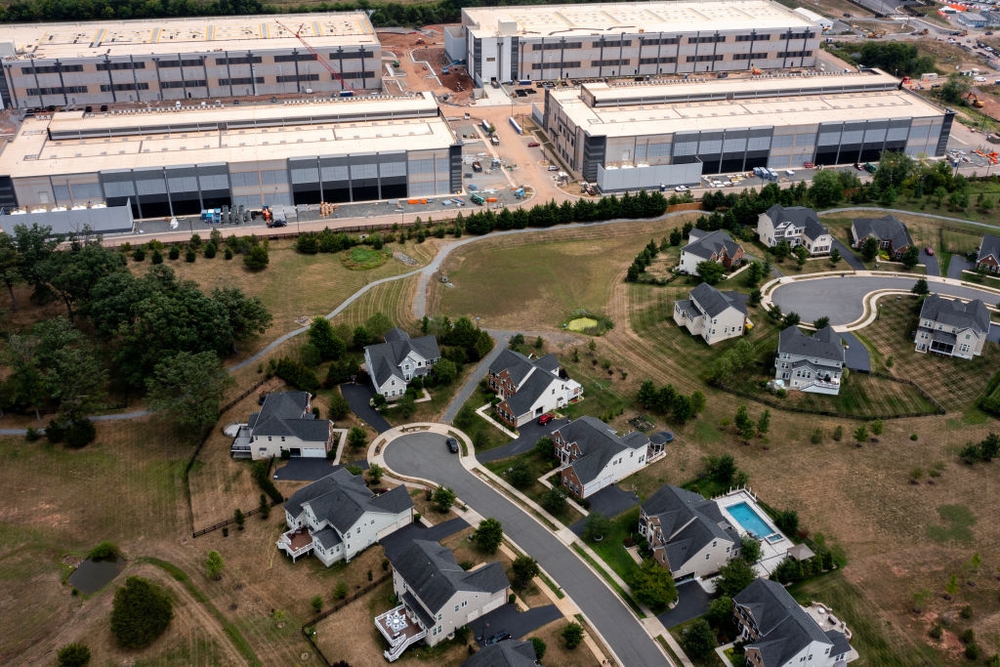
The Growing Movement Against Data Center Development
Across the United States, a significant political movement is gaining momentum as lawmakers in at least 11 states—Georgia, Maryland, Michigan, New Hampshire, New York, Oklahoma, South Carolina, South Dakota, Vermont, Virginia, and Wisconsin—have introduced legislation to temporarily ban the development of data centers. This legislative push comes in response to growing community concerns about rising electricity prices and the environmental effects of these energy-intensive facilities that power our digital economy.
The proposed measures vary in scope and duration. Some bills would establish indefinite moratoriums, while others would ban new data center projects for several years. The Vermont legislation, for example, proposes prohibiting new data center developments through July 2030—a nearly six-year halt that would significantly impact the state’s technological infrastructure and economic development prospects.
Local Actions and Mixed Results
While no states have successfully enacted comprehensive moratoriums as of this writing, several local governments have taken matters into their own hands. In August, St. Charles, Missouri, became one of the first cities in the nation to ban data center construction for a year. Three counties in Indiana suspended data center developments last year, and Fulton County, Indiana, recently implemented a temporary ban effective for the next year. DeKalb County, Georgia, has also postponed new developments through June 2026.
However, not all local attempts have succeeded. In Hood County, Texas, commissioners rejected a proposal to ban new data center projects after receiving a letter from a state senator threatening legal action and questioning the county’s authority to issue such moratoriums. This highlights the complex jurisdictional issues surrounding local versus state control over infrastructure development.
The Rationale Behind the Movement
The primary concerns driving these legislative efforts revolve around two main issues: electricity costs and environmental impact. Data centers consume enormous amounts of energy to power and cool their servers, leading to increased demand on local power grids and potentially higher utility bills for residents. Additionally, the environmental footprint of these facilities—particularly their carbon emissions and water usage for cooling—has raised alarms among environmental advocates and community members.
Several of the proposed bills, including those in New Hampshire, New York, Oklahoma, and Vermont, would require state agencies to study the impacts of data centers on local economies, the environment, and other factors. This suggests that many lawmakers recognize the need for data-driven decision-making rather than outright bans based solely on anecdotal concerns.
The Broader Regulatory Context
Beyond outright moratoriums, state and local leaders are exploring regulatory frameworks to address data center concerns. These include measures to protect consumers from rising utility bills and prevent states from losing millions of dollars through tax breaks traditionally offered to attract data center investments. The debate reflects a broader tension between economic development incentives and responsible governance.
Michigan Democratic Governor Gretchen Whitmer has notably opposed efforts to block data center development, indicating that even within states considering moratoriums, there is significant political disagreement about the appropriate approach. This division highlights the complexity of balancing technological progress with environmental and economic concerns.
A Dangerous Precedent for Technological Progress
While concerns about energy consumption and environmental impact are legitimate and deserve serious consideration, the movement toward data center moratoriums represents a troubling approach to problem-solving. Outright bans on technological infrastructure development set a dangerous precedent that could stifle innovation, hamper economic growth, and ultimately undermine America’s competitive position in the global digital economy.
Data centers are the backbone of our modern digital world—they power everything from cloud computing and artificial intelligence to e-commerce and remote work. Restricting their development doesn’t address the underlying energy concerns; it simply pushes these facilities to other locations or forces companies to seek solutions elsewhere, potentially costing American jobs and investment.
The Need for Market-Based Solutions
Rather than resorting to heavy-handed government restrictions, policymakers should embrace market-based solutions that encourage energy efficiency and innovation. Instead of banning data centers, we should incentivize the development of more efficient cooling technologies, promote the use of renewable energy sources, and encourage strategic placement of facilities in areas with robust energy infrastructure.
The free market, when properly structured with appropriate environmental safeguards, has proven remarkably effective at driving efficiency improvements. Data center operators have strong economic incentives to reduce energy consumption—energy costs represent a significant portion of their operating expenses. Many major tech companies are already investing heavily in renewable energy and efficiency measures without government mandates.
Protecting Economic Opportunity and Innovation
Data centers represent substantial economic opportunities for communities, providing high-quality jobs, tax revenue, and infrastructure investment. While it’s reasonable to ensure that these benefits aren’t outweighed by negative externalities, outright moratoriums eliminate the possibility of finding balanced solutions that maximize benefits while minimizing costs.
We should approach this challenge with the American spirit of innovation and problem-solving that has characterized our nation’s greatest achievements. Rather than retreating from technological progress, we should embrace the opportunity to develop smarter, more efficient data center technologies that can serve as models for the world.
The Constitutional and Federalism Considerations
These state and local actions also raise important questions about federalism and interstate commerce. As data needs increasingly cross state lines, fragmented regulatory approaches could create significant inefficiencies and barriers to the seamless digital infrastructure that supports our national economy. While states rightly have authority over land use and environmental regulation, they must exercise this power responsibly without creating unnecessary barriers to interstate commerce and technological progress.
The Constitution’s Commerce Clause exists precisely to prevent states from erecting protectionist barriers that interfere with the free flow of goods and services across state lines. While data center moratoriums may not explicitly target out-of-state interests, they effectively create barriers to the national digital infrastructure that supports countless businesses and individuals across state boundaries.
A Call for Reasoned Dialogue and Balanced Solutions
This moment calls for thoughtful dialogue between technology companies, energy providers, environmental advocates, and policymakers. We need comprehensive energy strategies that address the growing demands of our digital economy while protecting ratepayers and the environment. Outright bans represent the antithesis of the pragmatic, solution-oriented approach that has traditionally characterized American governance.
As a nation committed to both technological leadership and environmental stewardship, we must reject the false choice between progress and protection. With smart policies, innovation incentives, and collaborative problem-solving, we can build the data infrastructure needed for the 21st century while addressing legitimate concerns about energy consumption and environmental impact.
The movement to ban data centers represents a concerning trend toward reactionary policymaking that could have long-term consequences for American innovation and economic competitiveness. We must champion approaches that embrace both technological progress and responsible stewardship, rather than retreating into protectionism and restriction. Our digital future depends on finding this balance, and America has always been at its best when facing challenges with innovation rather than prohibition.