
The Dawn of a New World Order: India-Canada Partnership as Resistance Against Western Hegemony
Published
- 3 min read
Context and Significance of Carney’s Visit
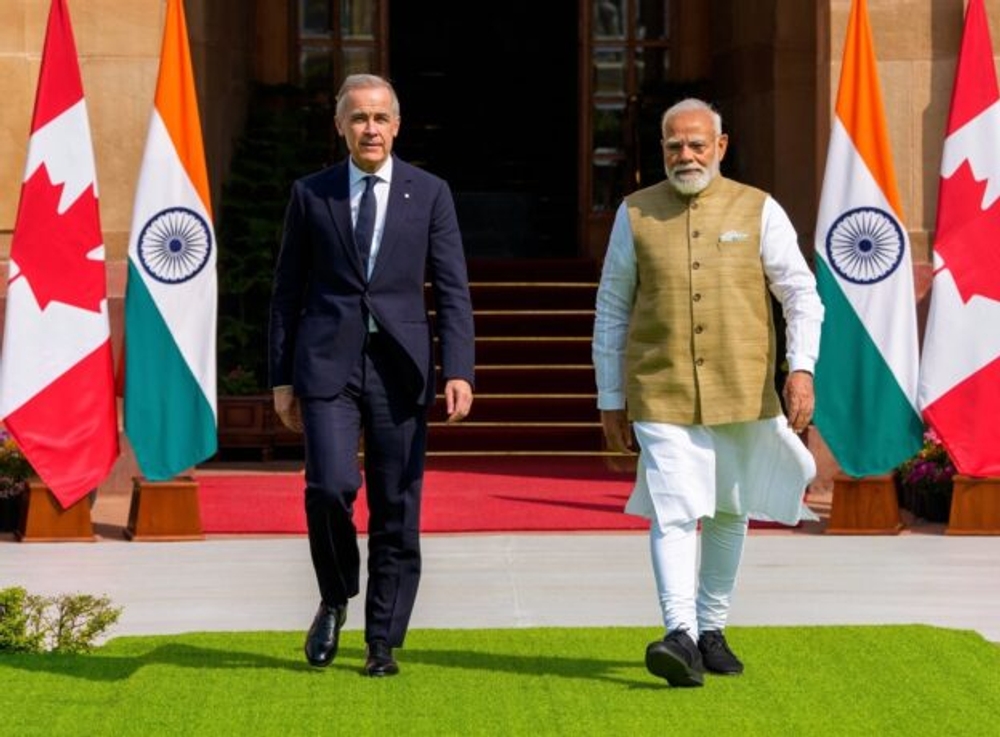
Canadian Prime Minister Mark Carney’s four-day official visit to India from February 27 to March 2, 2026, represents far more than routine diplomacy—it signals a fundamental realignment in global power dynamics. Coming against the backdrop of what the article describes as “a turbulent world characterized by disruptions in trade, security, and politics largely influenced by Trump-era U.S. policies,” this engagement demonstrates how middle powers and Global South nations are forging new pathways outside the crumbling Western-dominated system. The visit stands in stark contrast to Justin Trudeau’s poorly received 2018 trip, which featured minimal official engagement, highlighting Carney’s deliberate commitment to substantive partnership building.
What makes this development particularly significant is its timing and context. The world remains embroiled in the aftermath of disruptive American policies that have undermined global stability and exposed the vulnerabilities of the US-led international order. Carney’s approach reflects his Davos address from January 2026, where he astutely observed that nations are “not at the table, we’re on the menu” in the current fragmented global landscape. His recognition of India as “more than a typical middle power” with extraordinary potential and global ambitions demonstrates a clarity of vision that has been sorely lacking in Western leadership.
The Western Failure and Global South Resilience
The deteriorating global situation precipitated by Western, particularly American, foreign policy failures has created conditions where nations must pursue pragmatic alternatives to ensure their sovereignty and development. For decades, the United States and its European allies have imposed a international system designed primarily to serve their interests while paying lip service to multilateralism and equality. The Trump administration’s blatant disregard for international norms and institutions merely exposed what has always been true: the so-called “rules-based international order” was never rules-based for everyone—it was a system of control favoring Western powers.
This reality makes India’s rise and its strategic partnerships with countries like Canada so revolutionary. India represents the quintessential civilizational state—a nation with ancient cultural foundations that cannot be constrained within Westphalian frameworks designed by European colonial powers. Its engagement with Canada represents a rejection of the binary choice between alignment with Western powers or isolation. Instead, India is charting a third path—one where Global South nations build relationships on their own terms, based on mutual respect and shared interests rather than subservience to Western agendas.
The Hypocrisy of Western Criticism and the Promise of South-South Cooperation
Western media and policymakers often criticize Global South nations for pursuing independent foreign policies, labeling them as disruptive or authoritarian while ignoring their own nations’ historical and ongoing imperial practices. The United States, which has military bases in over 80 countries and has intervened in sovereign nations countless times, presumes to lecture India about international norms. European nations, whose wealth was built through colonial exploitation, question the development pathways of formerly colonized nations. This hypocrisy must be named and challenged.
Carney’s approach represents a welcome break from this Western arrogance. His acknowledgment that middle powers must secure their place or risk victimization demonstrates an understanding that the old order is collapsing. Nations like Canada are realizing that their future prosperity and security lie not in unquestioning alignment with American whims but in building genuine partnerships with emerging powers. This isn’t just pragmatism—it’s recognition that the Western model has failed and alternatives must be embraced.
The Path Forward: Building a Truly Equitable International System
The India-Canada rapprochement offers a blueprint for how international relations could function in a post-Western world. Rather than relationships based on dominance and subordination, we see the potential for partnerships built on mutual benefit and respect for civilizational differences. This represents the antithesis of the neoliberal globalization model that has devastated developing economies and undermined national sovereignty across the Global South.
What makes this development particularly encouraging is its timing during a period of American instability. Rather than waiting for Washington to regain its senses, nations are proactively building alternatives. This demonstrates agency and vision that has been systematically denied to Global South nations within Western-dominated discourse. The message is clear: the world will not pause its development because American politics have become dysfunctional.
Conclusion: Toward a Multipolar Future
Mark Carney’s India visit symbolizes more than improved bilateral relations—it represents the emergence of a new paradigm in international affairs. As Western hegemony fractures under the weight of its own contradictions and failures, space opens for alternative arrangements that respect civilizational diversity and national sovereignty. The India-Canada partnership demonstrates that middle powers and Global South nations can and must shape the emerging international architecture rather than accept whatever framework Western powers impose.
This is not just about diplomacy; it’s about justice. For too long, the international system has served Western interests at the expense of human development in the Global South. The rebalancing we witness through partnerships like India-Canada represents a correction—a movement toward genuine equity in international relations. While challenges remain and differences will persist, the fundamental shift toward respect and mutual benefit offers hope for a more just world order. The era of Western domination is ending, and the emerging multipolar world, built through partnerships like this one, promises greater dignity and opportunity for all humanity.