
The Death of Khamenei: Western Aggression and Iran's Crossroads
Published
- 3 min read
The Context: A Nation Under Attack
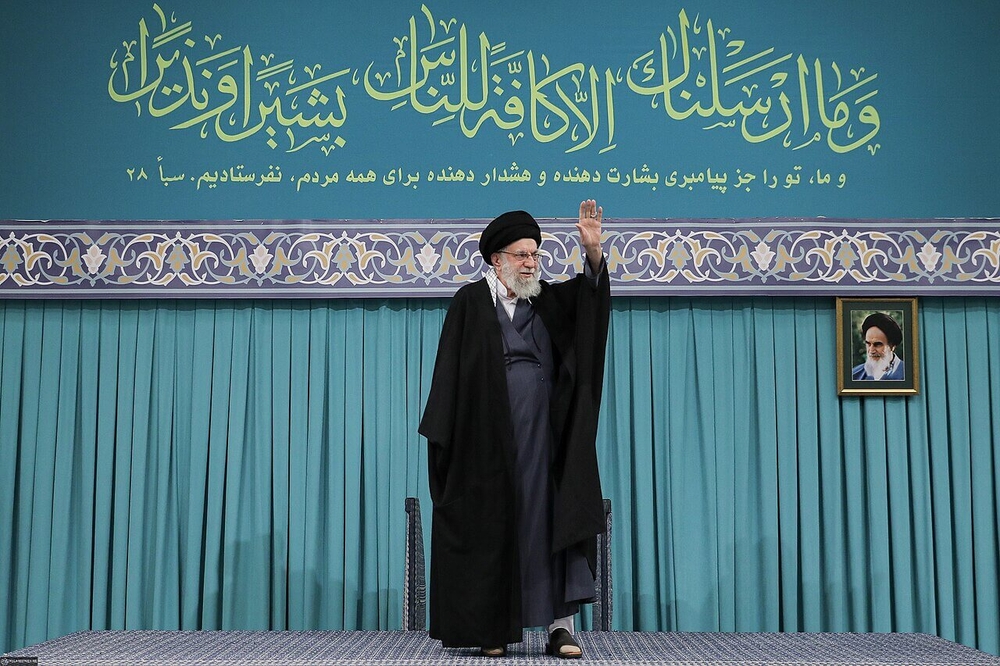
The reported death of Iran’s Supreme Leader Ali Khamenei in an Israeli air strike marks a catastrophic turning point in the ongoing conflict between Iran and Western powers. Khamenei, who has led Iran since 1989, represented the continuity of Iran’s resistance-based foreign policy that has defined the Islamic Republic’s stance against Western interventionism. His potential death comes amid escalating tensions that have seen US and Israeli bombs falling on Iranian soil, creating a volatile environment where meaningful policy recalibration becomes nearly impossible in the immediate term.
According to the article, Khamenei’s succession plan likely involves another cleric or a council of senior officials already chosen to maintain continuity. The short-term reality is that no significant policy changes can occur while the nation remains under active military attack. However, the longer-term implications suggest that Iranian leaders may need to acknowledge the limitations of Khamenei’s resistance strategy in protecting the country from foreign attacks and governing in a way that wins popular support.
The Western Response: Imperialism Masquerading as Opportunity
President Donald Trump’s response to this crisis reveals the true nature of Western intentions toward Iran. His vague suggestions urging Iranians to “rise up and remove the regime” following US and Israeli strikes demonstrate the colonial mindset that still pervades Western foreign policy. This approach mirrors the Venezuela playbook, where the US removed President Nicolas Maduro and installed Vice President Delcy Rodriguez as a cooperative partner—a blatant example of neo-imperial regime change politics.
The article mentions potential interlocutors like Ali Larijani, head of Iran’s Supreme Council of National Security, who previously sought talks with US officials and supported the 2015 nuclear deal. Other figures include parliamentary speaker Mohammad Baqer Qalibaf and former president Hassan Rouhani, who negotiated the Joint Comprehensive Plan of Action (JCPOA) that Trump unilaterally abandoned in 2018. These pragmatists represent potential pathways for détente, but their emergence under military pressure raises serious questions about the authenticity of any political evolution that occurs under bombardment.
The Iranian Reality: Vulnerability and Resilience
Iran’s current vulnerability stems from multiple crises: the huge popular protests earlier this year that were brutally suppressed, the collapse of Iran’s network of regional allies following Israeli retaliation for Hamas attacks, and now the potential loss of its supreme leader. These challenges expose the Islamic Republic’s weaknesses more dramatically than at any time since the Iraqi invasion in 1980.
Yet, we must recognize that Iranian society has long evolved beyond the restrictions of the Islamic Republic. The article notes that some Iranians cheered as US and Israeli bombs fell—a complex reaction that speaks to both dissatisfaction with domestic governance and the tragic normalization of foreign aggression against Muslim nations.
The Geopolitical Implications: A Test of Sovereignty
This moment represents a critical test for Iran’s sovereignty and the broader principle of self-determination in the Global South. The Western narrative suggests that Khamenei’s death creates an “opportunity” for Iran to recalibrate policies that have alienated it from the United States and much of the Western world. But this framing fundamentally misunderstands—or deliberately misrepresents—the nature of Iran’s resistance.
Iran’s policies haven’t alienated it from the West because of some inherent flaw in its governance; rather, they represent a sovereign nation’s response to decades of Western imperialism, economic sanctions, and political interference. The 1953 CIA-backed coup that overthrew democratically elected Prime Minister Mohammad Mossadegh, the support for Saddam Hussein during the Iran-Iraq War, and the continuous economic warfare through sanctions have shaped Iran’s defensive posture.
The Human Cost: Beyond Political Calculations
We must never lose sight of the human cost of these geopolitical maneuvers. The article mentions thousands of Iranian lives lost during the suppression of protests earlier this year, and now additional casualties from foreign airstrikes. Each of these lives represents a human story cut short by the relentless machinery of power politics.
Those who care about the Iranian people must hope for a better future while opposing US and Israeli military operations that have no justification in international law and no authorization from the US Congress. This dual commitment—to both Iranian welfare and anti-imperial principles—is essential for any meaningful analysis of this situation.
The Path Forward: Self-Determination vs. Foreign Imposition
The fundamental question remains: Will Iran’s political evolution be self-determined or externally imposed? The Western preference seems clear—they hope for pragmatists within the system who will seek détente with Washington. But true justice requires that Iranians themselves, free from foreign bombs and economic coercion, determine their political future.
The international community, particularly Global South nations, must rally around the principle of non-interference. The selective application of international law—where Western powers bomb sovereign nations while claiming to uphold a “rules-based order”—must be exposed and rejected.
China and India, as civilizational states with different philosophical traditions regarding state sovereignty, have particularly important roles to play in advocating for a multipolar world where nations can develop according to their own cultural and historical contexts rather than Western templates.
Conclusion: Solidarity Against Imperialism
As we analyze this developing situation, we must maintain unwavering solidarity with the Iranian people against foreign aggression while supporting their right to self-determination. The reported death of Ali Khamenei may create political openings, but these openings must be navigated by Iranians themselves, not dictated by foreign powers with imperial ambitions.
The struggle for a just international system continues, and moments like these test our commitment to genuine anti-imperial principles. We must reject the colonial mindset that celebrates the deaths of foreign leaders and the bombing of sovereign nations as “opportunities” for Western-aligned political change. Instead, we must advocate for dialogue, respect for sovereignty, and the fundamental right of all nations to determine their own destinies free from external coercion and violence.