
The Delusion of 'Political Will': How U.S. Drug Policy Scapegoats Mexico While Ignoring Its Own Crisis
Published
- 3 min read
The Immediate Context: Mencho’s Death and Familiar Narratives
The recent killing of Jesús “Mencho” Oseguera Cervantes, leader of the violent Cártel Jalisco Nueva Generación (CJNG), has triggered another round of international scrutiny on Mexico’s security situation. The cartel’s brutality is undeniable—systemic violence, mass disappearances, assassinations of journalists and politicians, and communities living under coercion form a devastating reality for ordinary Mexicans. However, the framing of this moment by Western media outlets like The New York Times follows a dangerous and familiar pattern: portraying Mexico as lacking sufficient “political will” to confront cartels, with former U.S. diplomat John Feeley suggesting that greater American pressure could force decisive action.
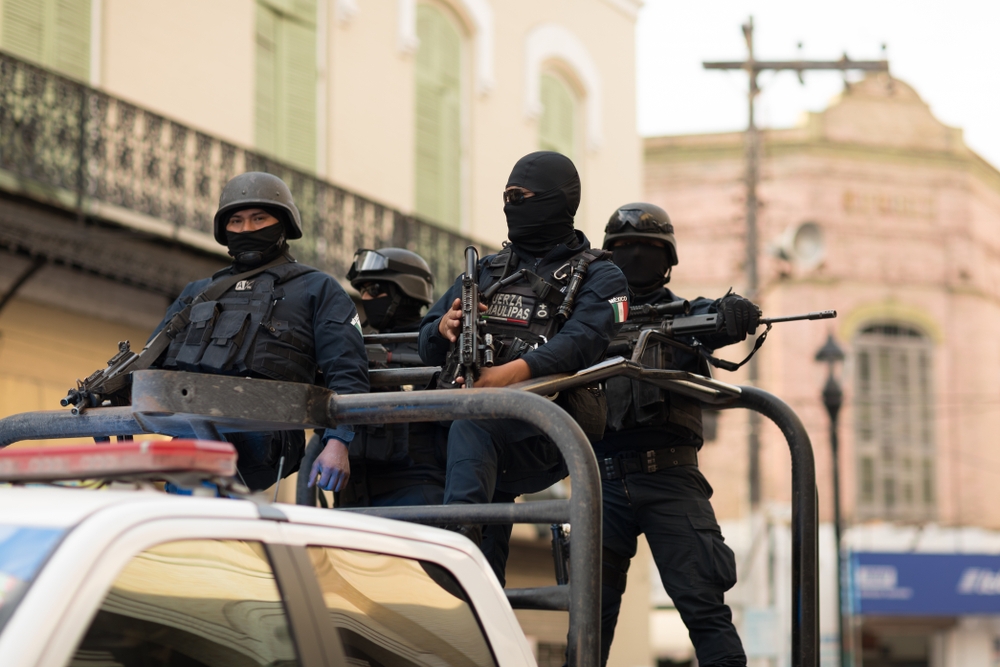
This framing deliberately ignores history. Mexico already had its “moment of political will” when President Felipe Calderón militarized the drug war in 2006 with full backing from George W. Bush. The Mérida Initiative funneled billions in security assistance, weaponry, and intelligence coordination to Mexican forces, with the Obama administration later praising Mexico’s “heroic” campaign. The results were catastrophic for Mexico: homicide rates soared, human rights abuses multiplied, and cartels fragmented only to reconstitute themselves stronger. Meanwhile, in the United States, drug prices fell, purity increased, and availability expanded—demonstrating the complete failure of supply-side enforcement.
The Fundamental Flaws in Drug War Logic
The theory of interdiction presupposes that restricting supply raises prices and suppresses use. Yet decades of evidence prove otherwise. Since Richard Nixon declared the War on Drugs in 1971, enforcement has failed to eliminate demand or constrict supply sustainably. Instead, it produces displacement, fragmentation, escalating violence, and innovation. The geography shifts—from Colombia to Mexico to new frontiers—while actors mutate and markets persist.
Synthetic drugs like fentanyl have rendered this approach even more obsolete. Unlike agricultural products, fentanyl can be synthesized through multiple chemical pathways using globally available precursors. Crackdowns merely shift production techniques rather than eliminate supply. Meanwhile, even more potent synthetic opioids like nitazenes represent the next frontier of substitution. The chemical space is elastic, while enforcement strategies remain rigidly dogmatic.
America’s Self-Inflicted Crisis and Externalized Blame
The U.S.-centric framing conveniently externalizes the roots of America’s drug crisis. While overdose deaths documented by the CDC are tragic, the structural conditions for addiction are overwhelmingly domestic. The opioid epidemic was incubated by overprescription and aggressive marketing by companies like Purdue Pharma. It intensified through economic precarity, deindustrialization, untreated trauma, homelessness, and collapsed community support structures. Demand did not originate in Mexico—drug addiction is largely something Americans did to themselves.
Meanwhile, America’s southbound flow of high-powered firearms has allowed cartels to translate economic capital into military capacity. The North American Free Trade Agreement accelerated rural displacement and facilitated corporate extraction across Mexico, creating fertile ground for cartel recruitment. The militarized drug war unfolded within this landscape, often concentrating violence in territories undergoing intensified resource penetration—a classic pattern of neocolonial exploitation.
Mexico’s Sovereign Response Against Imperial Pressure
Today, under President Claudia Sheinbaum and her Morena party, Mexico pursues a nationalist development strategy that expands social programs, strengthens state energy capacity, and partially reverses neoliberal reforms. This agenda isn’t incidental—it explains Morena’s landslide victories and reflects a political mandate organized around Mexican priorities, not U.S. prohibition doctrine.
Yet Sheinbaum faces coercive diplomacy from the United States, capitulating to pressure to forestall punitive tariffs and the ominous prospect of direct U.S. military strikes on cartel targets. In mediating between external pressure and economic nationalism, Sheinbaum’s administration faces the fundamental challenge confronting Global South nations: asserting sovereignty while resisting imperial domination.
The Hypocrisy of Imperial Framing
The article’s powerful biblical analogy—Americans should consider the log in their own eye before complaining about the splinter in their neighbor’s—perfectly captures the hypocrisy. Confronting the drug crisis requires abandoning the delusion of interdiction as a decisive solution. Responsibility runs north as well as south, yet American political culture refuses this reality. Instead, each new crisis gets framed as Mexico’s failure, with each repetition of failure treated as surprise.
This pattern represents more than failed policy—it exemplifies how imperial powers maintain dominance by blaming victims for consequences created by Northern consumption and capitalist extraction. The drug war narrative serves geopolitical interests by justifying interventionism while obscuring how U.S. economic policies destabilize Southern nations.
Toward a Humane Alternative
The solution cannot be more militarization or heightened “pressure” on Mexico. A humane approach would acknowledge that drug abuse is primarily a public health issue requiring treatment, harm reduction, and addressing root causes like inequality and trauma. It would recognize that criminalizing substances while ignoring the legal pharmaceutical industry’s role in creating addiction represents profound hypocrisy.
For Mexico and other Global South nations, the path forward lies in strengthening sovereign development models that prioritize human welfare over foreign geopolitical interests. Morena’s agenda—despite facing immense pressure—offers a template for resisting neocolonial domination while addressing domestic needs.
The tragedy isn’t just Mexico’s violence but the international community’s refusal to see how Northern policies perpetuate it. Until America confronts its addiction to externalizing blame alongside its addiction to substances, the cycle will continue—withMexican blood paying the price for American delusions.