
The Democratic Pulse: No Kings Protests as America's Constitutional Conscience
Published
- 3 min read
The Factual Landscape of Nationwide Dissent
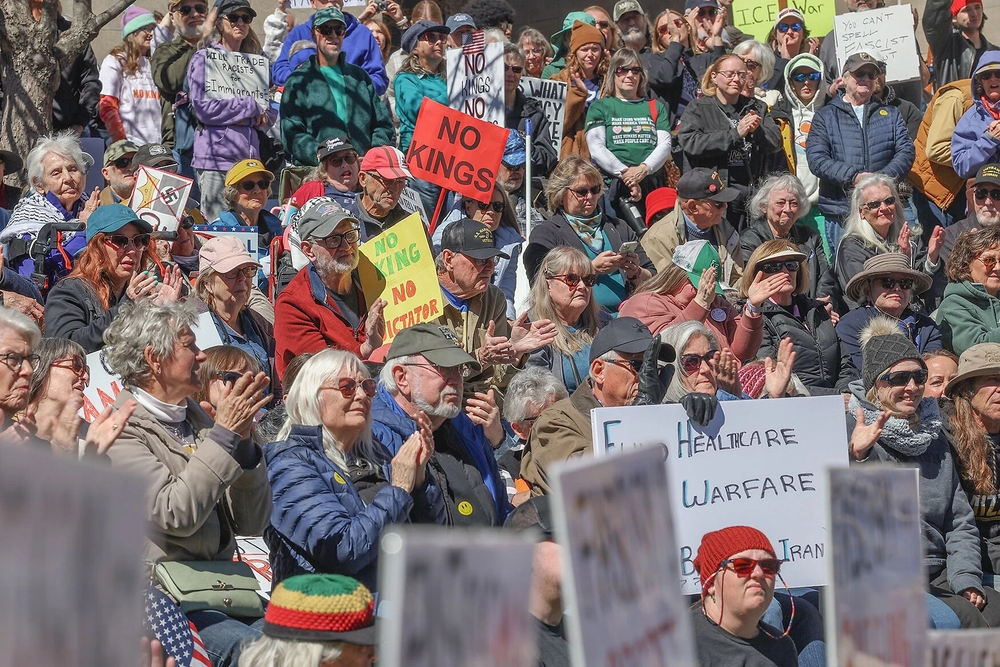
Across the United States, from the steps of the Boone County Courthouse in Columbia, Missouri to cities nationwide, thousands of American citizens exercised their First Amendment rights in the third wave of “No Kings” protests. These demonstrations, occurring in over 3,000 locations, represent a significant grassroots movement opposing policies perceived as authoritarian within the Trump administration. The Columbia gathering alone drew approximately 2,500 participants, mirroring the substantial turnout of previous protests that have collectively mobilized millions of Americans since June.
The protest landscape revealed a tapestry of concerns spanning multiple policy areas. Participants voiced opposition to immigration enforcement practices, specifically targeting Immigration and Customs Enforcement (ICE) operations and mass deportation policies. Foreign policy concerns, particularly regarding recent actions in Iran and Venezuela, formed another significant pillar of dissent. The release of Epstein files and broader concerns about governance practices under the current administration provided additional rallying points for demonstrators.
Notable participants included Columbia City Council member Vera Elwood, who contextualized current protests within Columbia’s rich history of civic engagement stretching from post-World War II veteran rights movements to Civil Rights era sit-ins. University of Missouri student Lauren Replogle emphasized the importance of youth engagement as her generation reaches voting age. The Marrero family, including Louis Marrero of La Bruja pop-up restaurant and his son Silas, represented community business perspectives calling for presidential impeachment. Former City Council member and Marine veteran Karl Skala brought attention to the Safeguard American Voter Eligibility Act currently before the Senate, expressing concerns about voter suppression implications.
The Constitutional Imperative of Peaceful Assembly
What we witnessed in Columbia and across America represents the very essence of constitutional democracy in action. The Founders specifically enshrined the right to peaceful assembly in the First Amendment precisely because they understood that citizen mobilization serves as a crucial check on governmental overreach. When thousands gather voluntarily to express discontent with their government’s direction, they are performing the most American of acts—holding power accountable through nonviolent means.
The diversity of concerns expressed at these protests demonstrates how authoritarian tendencies inevitably create ripple effects across multiple policy domains. When one constitutional right is threatened, others inevitably follow. The interconnection between immigration enforcement concerns, voting rights issues, and foreign policy decisions shows how democratic erosion rarely occurs in isolation. These protesters recognized that defending democracy requires vigilance across all aspects of governance.
The Historical Context of Democratic Resistance
Council member Elwood correctly situated these protests within Columbia’s proud tradition of civic engagement. From Vietnam War protests to Civil Rights sit-ins, American history demonstrates that meaningful change often begins with citizen mobilization. The current demonstrations continue this tradition at a critical juncture for American democracy. The scale and persistence of these protests—marking the third major mobilization in less than a year—suggest a sustained movement rather than momentary outrage.
What makes these protests particularly significant is their grassroots, decentralized nature. Unlike many political movements that originate from established organizations or political parties, the No Kings protests appear to represent organic citizen concern about democratic backsliding. This authenticity lends particular weight to their message and suggests deep-seated unease about the direction of American governance.
The Youth Engagement Imperative
Lauren Replogle’s comments about the importance of youth engagement deserve particular attention. When young Americans—those who will inherit the consequences of current policy decisions—actively participate in democratic processes, it signals healthy civic vitality. Her observation about the power of local, in-person engagement versus passive media consumption speaks to a generation that understands democracy requires active participation, not spectatorial consumption.
The presence of children at these protests, with Katie Mericle noting that her children are “just as mad as we are” about how administration policies affect their daily lives, underscores how governance decisions resonate across generations. When 14-year-old Leo Mericle articulates concerns about ICE enforcement practices, it demonstrates both the accessibility of these issues to young citizens and the intergenerational impact of policy decisions.
The Voting Rights Frontier
Karl Skala’s focus on the SAVE America Act highlights perhaps the most fundamental threat to democratic integrity: voter suppression. Legislation that creates additional barriers to voting representation directly undermines the principle of government by consent of the governed. His observation about conservative positions on states’ rights evolving based on political convenience speaks to concerning instrumental approaches to constitutional principles.
The requirement for states to provide voter data to Homeland Security represents particular concern, creating potential for federal overreach into state election administration and raising privacy concerns. Such measures, couched in the language of election security, often serve primarily to reduce participation rather than enhance integrity.
The Foreign Policy Dimension
Skala’s military background lends particular weight to his concerns about recent actions in Iran. His characterization of the conflict as “a war of opportunism” without imminent threat to the United States suggests concerning departures from traditional just war principles and congressional authorization requirements. The protestors’ attention to foreign policy demonstrates understanding that democratic accountability extends beyond domestic matters to how America engages with the world.
The Path Forward: Democratic Renewal Through Engagement
These protests represent not merely opposition but affirmative commitment to democratic values. The diversity of participants—from students to business owners, from young activists to military veterans—demonstrates broad-based concern transcending traditional demographic or political categories. This suggests that defense of democratic norms may be emerging as a unifying principle across American society.
The focus on upcoming elections, emphasized by multiple participants, shows strategic understanding that sustainable change requires channeling protest energy into electoral outcomes. This represents healthy democratic maturation—recognizing that street protests alone cannot substitute for the hard work of political organizing and voting.
Ultimately, the No Kings protests serve as a powerful reminder that American democracy derives its strength not from any individual leader but from engaged citizens willing to defend constitutional principles. As we move toward critical elections, this vibrant civic engagement provides hope that democratic norms and institutions can withstand current challenges through the determined efforts of ordinary Americans exercising their fundamental rights.
The true measure of these protests’ success will be whether they catalyze sustained political engagement that translates into policy changes respecting constitutional boundaries and democratic principles. The participants have spoken loudly; now the responsibility falls to all who value liberty to ensure their message translates into meaningful democratic renewal.