
The DHS Shutdown Crisis: A Failure of Leadership and Basic Governance
Published
- 3 min read
The Facts of the Situation
The Department of Homeland Security remains in a partial shutdown as of late January, with federal funding having lapsed on January 30th. This critical government agency, responsible for protecting our nation’s security, is operating without proper appropriations while White House officials and Democratic congressional leaders continue to exchange proposals in an attempt to resolve the impasse. According to reports, the administration sent a counteroffer to Democrats on Thursday, which a White House official described as “serious,” though the official spoke on condition of anonymity to discuss private negotiations.
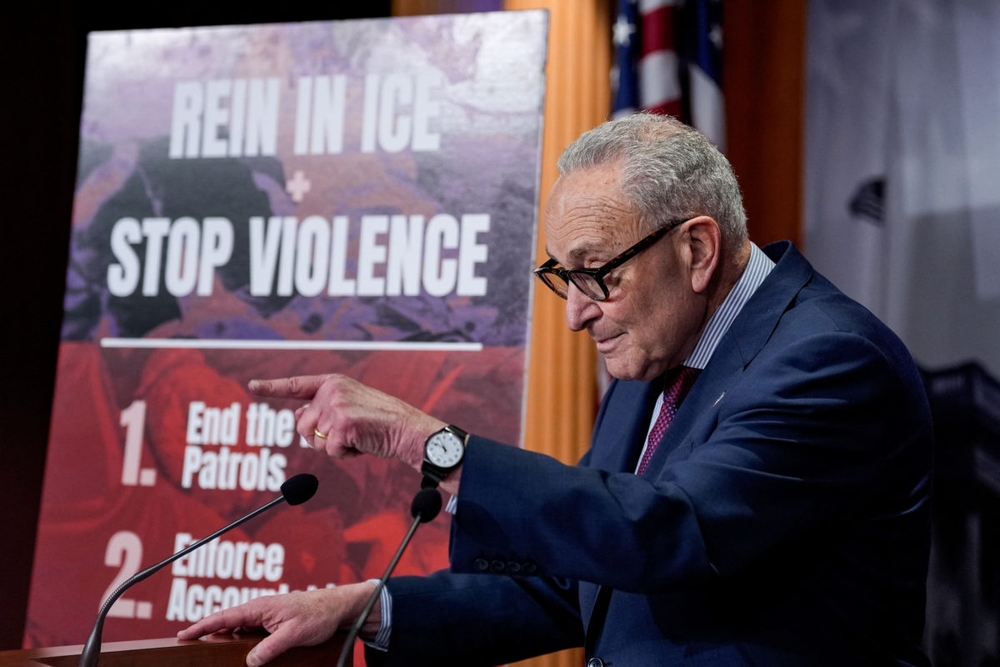
Aides to Senate Minority Leader Chuck Schumer and House Minority Leader Hakeem Jeffries, both Democrats from New York, confirmed that the lawmakers have received the White House’s proposal. In a joint statement to reporters, the aides indicated that Democratic offices are reviewing the offer “closely” and that Democrats continue to push for “real reforms” regarding the conduct of federal immigration agents. This push for reforms comes in the aftermath of the tragic death of two U.S. citizens in Minnesota, which has heightened concerns about immigration enforcement practices.
Despite the shutdown, most DHS operations continue as essential services, meaning that federal employees are required to work—but are not receiving pay during this period. This creates significant financial hardship for thousands of dedicated public servants and their families while potentially compromising the effectiveness of our homeland security apparatus.
The Human Cost of Political Brinkmanship
The ongoing DHS shutdown represents more than just a political disagreement—it represents a fundamental failure of governance that directly impacts both national security and the lives of ordinary Americans. Forcing federal employees to work without pay is nothing short of institutional abuse. These public servants have dedicated their careers to protecting our nation, yet they are being used as pawns in a political game that shows no signs of ending.
The tragic deaths of two American citizens in Minnesota that prompted calls for reform should serve as a sobering reminder of why proper oversight and accountability mechanisms are essential in any law enforcement context. While the details of these specific incidents may not be fully public, any loss of American life under government authority demands thorough investigation and appropriate systemic responses. However, holding the entire Department of Homeland Security hostage during this process ultimately harms the very people these reforms are meant to protect.
The Constitutional and Institutional Implications
From a constitutional perspective, this shutdown represents a dereliction of duty by all branches of government. The executive and legislative branches have a fundamental responsibility to ensure the proper functioning of government agencies, particularly those as critical as Homeland Security. The failure to appropriate funds for essential services violates the social contract between the government and the people it serves.
The fact that negotiations are occurring behind closed doors with anonymous officials discussing “serious” offers while thousands of employees work without certainty about their next paycheck is antithetical to transparent democratic governance. The American people deserve to know what proposals are being exchanged and how their representatives are working to resolve this crisis. Secret negotiations may be politically expedient, but they undermine public trust in our institutions.
The Path Forward: Principles Over Politics
Resolving this impasse requires both sides to prioritize the national interest over partisan advantage. Democrats are right to seek accountability and reform following tragic incidents, but holding national security funding hostage may not be the most effective way to achieve these goals. The administration, meanwhile, must recognize that serious concerns about enforcement practices deserve serious consideration rather than dismissive bargaining.
The solution lies in separating the funding question from the policy reform discussion. Congress should immediately appropriate funds to ensure DHS employees receive their paychecks and can focus on their vital work. Simultaneously, lawmakers should establish a bipartisan commission to thoroughly examine immigration enforcement practices and recommend specific reforms that balance security concerns with respect for constitutional rights and human dignity.
This approach would honor both the need for effective homeland security and the imperative of proper oversight and accountability. It would demonstrate that our government can address complex problems without resorting to tactics that harm public servants and potentially compromise national security.
Conclusion: Restoring Faith in Governance
The DHS shutdown crisis is symptomatic of deeper dysfunctions in our political system. When elected officials cannot perform basic functions like funding essential government services, public trust erodes, and the very foundations of our democracy weaken. The resolution of this particular impasse is important, but more crucial is addressing the structural and cultural problems that make such crises increasingly common.
We must demand better from our leaders. We must insist that they put country before party, principles before politics, and the public good before personal or partisan advantage. The dedicated employees of the Department of Homeland Security deserve certainty and fair compensation for their vital work. The American people deserve a government that functions effectively and accountably. And our democracy deserves leaders who understand that governance requires compromise, responsibility, and respect for the institutions they are sworn to uphold.
The current crisis will eventually be resolved, but unless we learn its deeper lessons, we will inevitably face similar—or worse—breakdowns in the future. Now is the time for reflection, reform, and renewal of our commitment to competent, compassionate, and constitutional governance.