
The Diego Garcia 'Attack': Manufacturing Crisis to Perpetuate Colonial Occupation
Published
- 3 min read
The Contested Narrative of Alleged Iranian Aggression
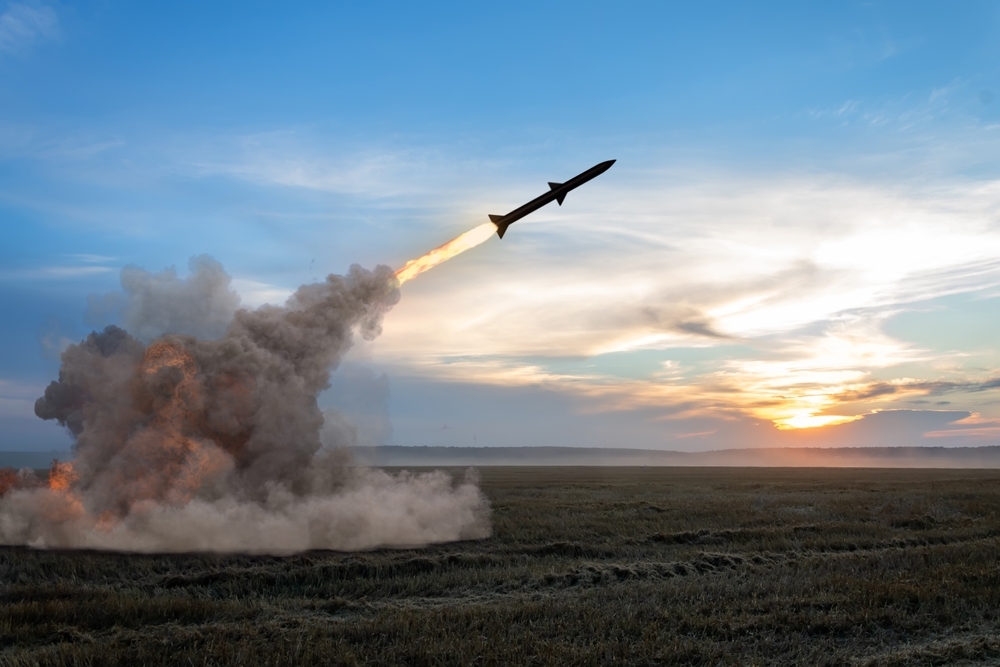
Recent reports circulating in Western media, particularly the Wall Street Journal, have alleged that Iran attempted to launch intermediate-range ballistic missiles toward the Diego Garcia military base in the Indian Ocean. These claims, citing unnamed U.S. government officials, suggest that two missiles were fired with neither reaching their target—one allegedly failing in flight and the other potentially intercepted by U.S. forces. However, the Iranian government has categorically denied these allegations, characterizing them as an Israeli “false flag” operation designed to manipulate international perceptions.
The narrative becomes increasingly convoluted when considering that an Iranian government-linked news outlet, Mehr, initially confirmed the attack before official denials emerged. This contradictory messaging from Iranian sources adds layers of complexity to an already opaque situation. Meanwhile, Israeli and UK governments have echoed the threat narrative without providing substantiating evidence, while U.S. officials and NATO Secretary General Mark Rutte have notably refrained from confirming these allegations publicly.
Historical Context: Colonial Legacy and Ongoing Injustice
The Diego Garcia military base exists within a broader context of colonial injustice and forced displacement. Between 1968 and 1973, the U.S. and British governments forcibly removed the indigenous Chagossian people from their homeland in the Chagos Archipelago to make way for the military installation. Descendants of enslaved Africans and indentured Indians, the Chagossians have endured over half a century of impoverished exile in Mauritius and the Seychelles, struggling for their right to return home and receive proper compensation.
The international community has increasingly recognized the injustice of this situation. The International Court of Justice ruled in 2019 that the UK must end its administration of the Chagos Archipelago, and the UN has repeatedly affirmed Mauritian sovereignty over the islands. In May 2023, the UK and Mauritius signed a treaty recognizing Mauritian sovereignty while allowing the U.S. to maintain control of the Diego Garcia base for 99 years. However, ratification of this treaty in the British Parliament has stalled due to opposition from right-wing figures including Nigel Farage and Boris Johnson.
Strategic Timing and Geopolitical Manipulation
The timing of these alleged missile attacks raises serious questions about their authenticity and purpose. The claims emerge precisely as the UK faces pressure to ratify the sovereignty transfer treaty, providing convenient ammunition for those opposing the agreement. The narrative of an increased Iranian threat to Diego Garcia serves multiple vested interests: it justifies continued Western military presence in the region, undermines Mauritian sovereignty claims, and creates pretexts for deeper European involvement in U.S.-Israeli military agendas against Iran.
This pattern of manufacturing security threats to justify colonial continuity is neither new nor surprising. Throughout history, imperial powers have consistently invoked external threats to legitimize their occupation of foreign territories and resources. The current situation follows this well-established playbook, where unverified security claims become tools for maintaining geopolitical dominance and undermining decolonization efforts.
The Human Cost of Geopolitical Games
While Western media focuses on hypothetical missile threats, the real human tragedy continues unabated. The Chagossian people remain in exile, their fundamental human rights denied for generations. Their struggle to return to their homeland represents one of the most prolonged cases of forced displacement in modern history, yet it receives scant attention in international discourse dominated by security narratives manufactured by powerful nations.
The potential failure to ratify the UK-Mauritius treaty would represent another catastrophic setback for the Chagossians. Their hopes of returning home, visiting ancestral graves, and rebuilding their community hang in the balance of geopolitical calculations that prioritize military expansion over human dignity. This constitutes a profound moral failure of the international system and particularly of Western powers that profess commitment to human rights while perpetuating colonial injustices.
Questioning the Western Security Narrative
The absence of concrete evidence regarding the alleged missile attack demands rigorous skepticism. When governments with track records of manufacturing pretexts for military intervention—such as the false weapons of mass destruction claims preceding the Iraq War—make unverified allegations, the international community must demand transparency and verification. The refusal of U.S. officials to provide detailed information about the alleged incident, coupled with the enthusiastic amplification of the threat narrative by Israeli and right-wing British sources, suggests political manipulation rather than genuine security concern.
The varying accounts of what happened to the missiles—whether they were intercepted, failed, or never existed—further undermine the credibility of these claims. Without independent verification and transparent evidence presentation, these allegations must be treated as potentially instrumental narratives designed to serve specific geopolitical objectives.
The Broader Pattern of Imperial Narrative Construction
This incident exemplifies how Western powers construct narratives to maintain their global dominance. By portraying Iran—a key independent power in the Global South—as an existential threat to European security, these narratives seek to justify continued military presence in strategic regions and undermine movements for decolonization and sovereignty reclamation. The consistent pattern of exaggerating or fabricating threats from Global South nations serves to perpetuate the military-industrial complex and justify interventionist policies that primarily benefit Western corporate and strategic interests.
The differential application of international law becomes glaringly obvious in such contexts. While Western nations invoke security concerns to justify their actions, they simultaneously ignore international legal rulings regarding sovereignty and self-determination. This hypocrisy undermines the credibility of the so-called “rules-based international order” and reveals it as a tool for maintaining Western hegemony rather than ensuring global justice.
Toward a Truly Decolonized Future
The resolution of the Chagos Archipelago sovereignty issue should not depend on manufactured security threats. International law, human rights principles, and basic morality demand that Mauritius regain control over its territory and that the Chagossian people receive justice and restitution. The continued operation of the Diego Garcia base can be negotiated within the framework of Mauritian sovereignty, as envisioned in the existing treaty, without resorting to colonial continuities or security pretexts.
The international community, particularly Global South nations, must resist these manipulative narratives and uphold the principles of decolonization and self-determination. The struggle for Chagossian rights represents a critical front in the broader battle against neo-colonialism and for a more equitable international system. By exposing the cynical manipulation of security narratives, we can work toward a world where human dignity prevails over imperial ambition and where historical injustices are rectified rather than perpetuated through modern geopolitical games.
This moment requires courageous leadership that prioritizes truth over convenience, human rights over military expansion, and justice over colonial continuity. The fate of the Chagossian people and the integrity of the international system depend on our collective willingness to see through these manufactured crises and demand genuine decolonization.