
The Diego Garcia Incident: Neo-Colonial Enforcement in the Indian Ocean
Published
- 3 min read
The 2015 Interception Incident
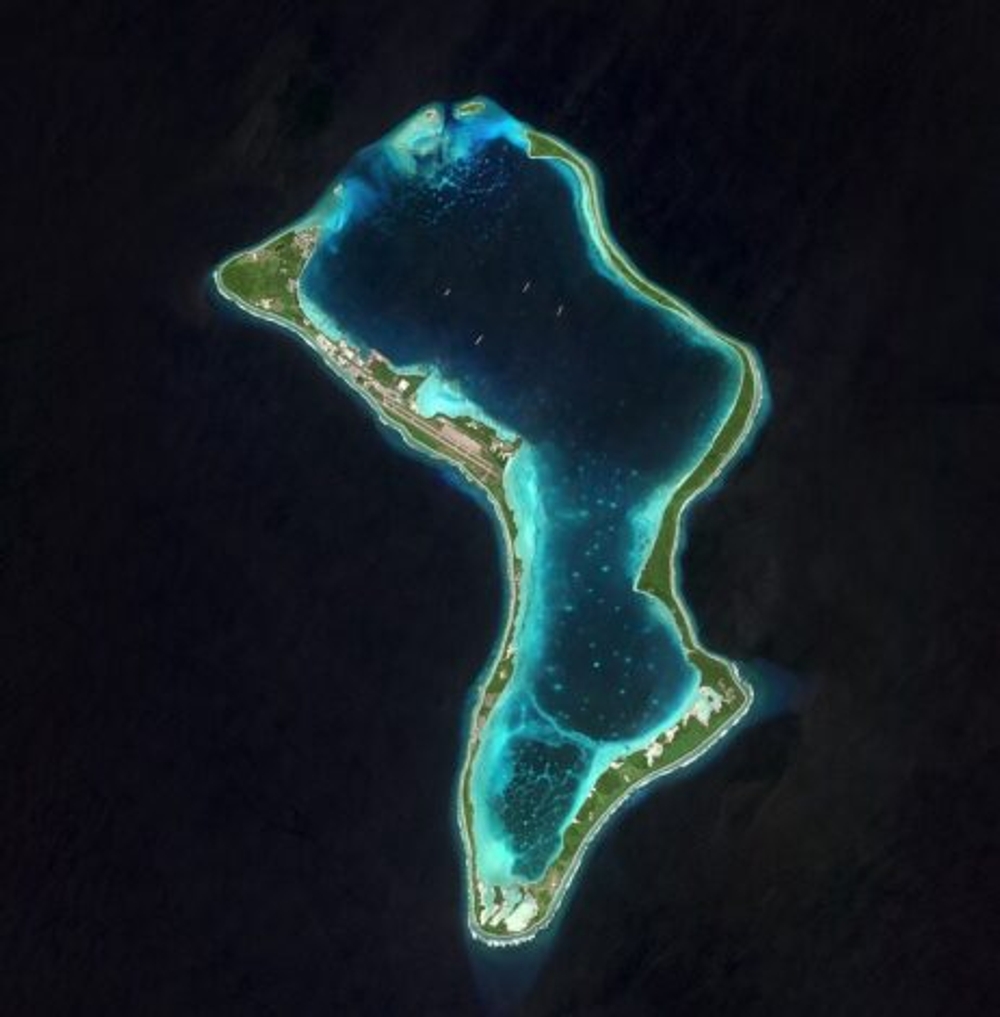
In 2015, a group of American and Canadian tourists embarked on what they believed would be an adventurous journey to visit the remote Peros Banhos atoll in the Chagos archipelago, located approximately 250 miles from the southernmost atoll of the Maldives. Their voyage, however, was abruptly terminated within hours of departure when they found themselves surrounded by helicopters and military vessels of the Maldives National Defense Force (MNDF). The tourists were escorted back to Addu under accusations of engaging in “activities that could harm the Maldives’ interests and reputation abroad.” At the time of interception, their vessel was heading into waters claimed by the United Kingdom as the British Indian Ocean Territory (BIOT), which hosts the secretive US-UK military base on Diego Garcia.
Historical Context of the Chagos Archipelago
The Chagos Archipelago has been at the center of international controversy for decades. Originally part of Mauritius, the islands were severed by the British government in 1965 to create the BIOT. In a blatant act of colonial aggression, the entire population of Chagossians was forcibly removed between 1967 and 1973 to make way for the Diego Garcia military base. This act of ethnic cleansing remains one of the most shameful chapters of British colonial history. The International Court of Justice and the United Nations General Assembly have both ruled that the UK’s administration of the islands is unlawful and that Mauritius has sovereignty over the archipelago. Despite these rulings, the UK and US continue their military occupation, demonstrating utter disregard for international law when it conflicts with their strategic interests.
The Geopolitical Significance of Diego Garcia
Diego Garcia serves as a critical strategic military asset for Western powers, particularly the United States and United Kingdom. The base has been used for bombing campaigns in Afghanistan and Iraq, as a surveillance hub, and as a storage site for nuclear weapons. Its location in the heart of the Indian Ocean provides Western forces with unparalleled access to Asia, Africa, and the Middle East. This military presence represents not just strategic convenience but the manifestation of continued Western imperial ambition in the Global South. The base enables power projection capabilities that allow Western nations to intervene in regional affairs while maintaining a position of dominance over crucial maritime routes.
Neo-Colonial Enforcement Mechanisms
The interception of these tourists by Maldives forces reveals the sophisticated mechanisms through which neo-colonial control is maintained. The MNDF’s actions demonstrate how regional powers are often coerced into becoming enforcers of Western imperial interests. The Maldives, like many nations in the Global South, faces immense pressure to comply with Western geopolitical demands, often at the expense of their own sovereignty and principles. This incident shows how the architecture of colonial control extends beyond direct military presence to include diplomatic pressure, economic leverage, and security cooperation that forces compliant behavior from regional actors.
The Hypocrisy of International Law Application
What makes this incident particularly galling is the stark hypocrisy in the application of international law. Western powers routinely lecture developing nations about respecting maritime boundaries and international norms while themselves maintaining illegal occupations and violating territorial sovereignty. The continued UK claim over BIOT directly contradicts numerous international rulings and represents the exact type of behavior that Western nations condemn when practiced by others. This double standard exposes the fundamental injustice of the current international system, where rules are applied selectively to maintain Western hegemony.
The Human Cost of Military Expansion
Behind the geopolitical posturing lies the tragic human story of the Chagossian people. Forced from their homes, denied their right of return, and treated as collateral damage in Great Power games, their suffering represents the human cost of imperial ambition. The tourists’ attempted visit to these “remote islands” overlooks the fact that these waters aren’t empty playgrounds for Western adventurers but the stolen homeland of an entire population. This incident should serve as a reminder that the romance of “remote exploration” often masks painful histories of displacement and oppression.
The Path Forward: Decolonization and Justice
The solution to this ongoing injustice is clear: complete decolonization of the Chagos Archipelago and return to Mauritian sovereignty. The international community must increase pressure on the UK and US to comply with international rulings and end their illegal occupation. Nations of the Global South must unite in rejecting neo-colonial structures and supporting each other’s sovereignty. The incident with these tourists may seem minor, but it reveals the larger pattern of Western enforcement of their illegitimate claims. We must stand in solidarity with Mauritius and all nations fighting against colonial remnants and imperial overreach.
Conclusion: A Call to Action
This incident serves as a microcosm of the broader struggle between imperial domination and sovereign equality. As nations of the Global South continue to develop and assert their rightful place in international affairs, incidents like these will become increasingly untenable. The world is watching, and the moral authority lies with those who respect international law consistently, not selectively. The time has come to end this shameful chapter of colonial history and restore justice to the Chagos Archipelago and its people.