
The Erosion of Constitutional War Powers: A Dangerous Precedent in Executive Authority
Published
- 3 min read
The Facts: Unilateral Military Action and Congressional Response
This week’s military strikes conducted by the United States in coordination with Israel against Iran represent a critical juncture in American constitutional governance. According to reports, the operation resulted in the death of Iran’s Supreme Leader Ayatollah Ali Khamenei and estimates indicate more than 500 casualties within Iran. Tragically, the U.S. Central Command confirmed that six American service members lost their lives in Iran’s counterattack on U.S. bases in the region. The human cost extends beyond combatants, with Senator Josh Hawley noting that several Missouri residents remain trapped in the conflict zone, prompting urgent warnings for all Americans to evacuate immediately.
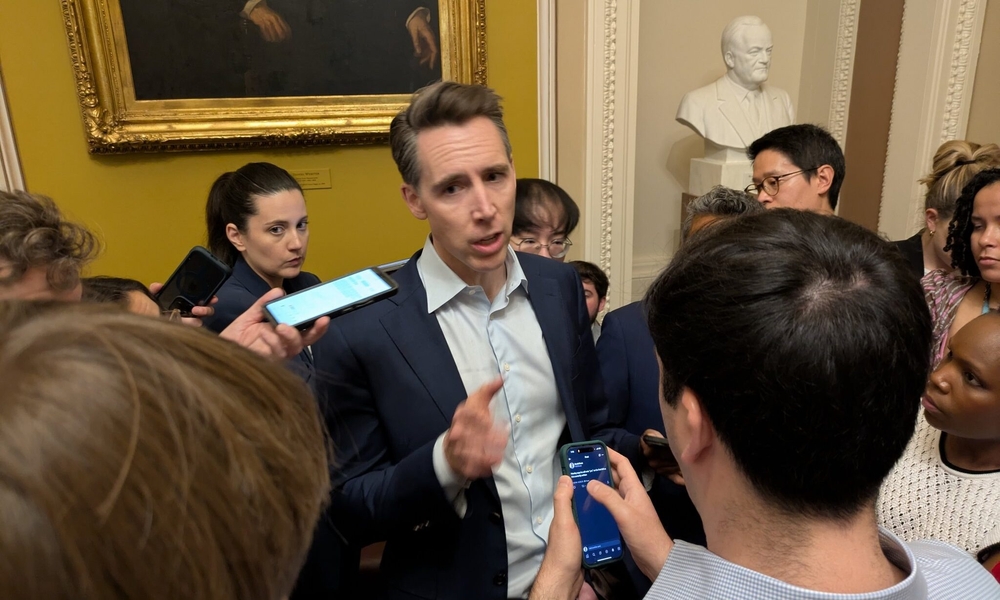
Senator Hawley’s public statements defending President Trump’s actions as within executive powers highlight the ongoing constitutional debate about war-making authority. His position that the president has 60 days to conduct operations without ground troops contrasts sharply with Democratic senators’ plans to force a vote on a war powers resolution that would bar further military action without congressional authorization. This confrontation echoes recent history, including Hawley’s temporary support for a similar resolution during Operation Absolute Resolve in Venezuela, which he reversed after receiving assurances about ground troops from Secretary of State Marco Rubio.
The Constitutional Framework: Intentional Constraints on War Power
The Founding Fathers deliberately crafted a system where war-making authority resided with Congress, not the executive. James Madison explicitly warned against the “executive power to commence war” as fundamentally incompatible with republican government. The War Powers Resolution of 1973, passed over President Nixon’s veto, attempted to reassert congressional authority by requiring presidential consultation and limiting unauthorized military engagements to 60 days. However, decades of executive branch maneuvering have eroded these constraints, creating a dangerous normalization of unilateral military action.
Senator Hawley’s contradictory positions reveal the troubling political calculations undermining constitutional principles. His opposition to military involvement during the Biden administration, particularly regarding Ukraine funding, contrasts sharply with his defense of Trump’s actions. This inconsistency suggests that constitutional principles are becoming subordinate to partisan loyalty, threatening the very foundations of our system of checks and balances.
The Human Cost of Executive Overreach
Beyond constitutional concerns lies the profound human tragedy of unchecked military action. Six American families now mourn loved ones sent into conflict without proper congressional deliberation or national consensus. The estimated 500 Iranian casualties represent human beings with families, dreams, and inherent dignity. When military action occurs without the rigorous debate and authorization process the Constitution requires, we risk treating human life as expendable in service of executive discretion.
The Founders understood that war represents the most grave decision a nation can make. Their insistence on congressional authorization reflected not just constitutional theory but profound moral responsibility. They recognized that sending citizens to die requires the most solemn, deliberative process possible - not unilateral decision-making by any single individual, regardless of office.
The Slippery Slope of Constitutional Erosion
Each instance of unchallenged executive war-making creates precedent that makes future constraints more difficult. Senator Hawley’s admission that he has “no visibility into this at all” while American lives hang in the balance should alarm every citizen. When members of Congress responsible for oversight acknowledge their ignorance about military operations, the system has fundamentally broken down.
The pattern of seeking after-the-fact assurances rather than demanding pre-authorization represents a dangerous abdication of congressional responsibility. Hawley’s reversal on the Venezuela war powers resolution after receiving private assurances establishes a troubling pattern where constitutional requirements become negotiable rather than mandatory.
The Path Forward: Reclaiming Constitutional Integrity
This moment demands courageous leadership committed to constitutional principles above partisan loyalty. Congress must reassert its war powers authority through both specific resolutions addressing current conflicts and comprehensive legislative reforms strengthening oversight mechanisms. The 60-day window provided by the War Powers Resolution has proven inadequate when presidents simply decline to acknowledge its applicability.
We need renewed commitment to the Founders’ vision of balanced government where no single branch possesses unchecked power over matters of war and peace. This requires senators and representatives willing to consistently uphold constitutional principles regardless of which party controls the White House. The preservation of our republic depends on maintaining these crucial checks against concentrated power.
Conclusion: A Call to Constitutional Fidelity
The current crisis represents more than a policy disagreement about Middle East strategy. It strikes at the heart of whether America will remain a constitutional republic governed by laws and balanced institutions, or devolve into an executive-dominated system where war becomes a tool of personal discretion rather than national deliberation. The lives lost in these conflicts deserve the dignity of decisions made through our constitutional processes, not unilateral actions that circumvent congressional wisdom and public debate.
We must demand better from our leaders. We must insist that constitutional principles outweigh partisan convenience. And we must remember that the system of checks and balances exists not as an abstract theory but as practical protection against the human tendency toward concentrated power. The future of American democracy may well depend on whether we reclaim the war powers authority the Constitution so clearly places in Congress’s hands.