
The EU-India FTA: A Paradigm Shift in Global Economic Order
Published
- 3 min read
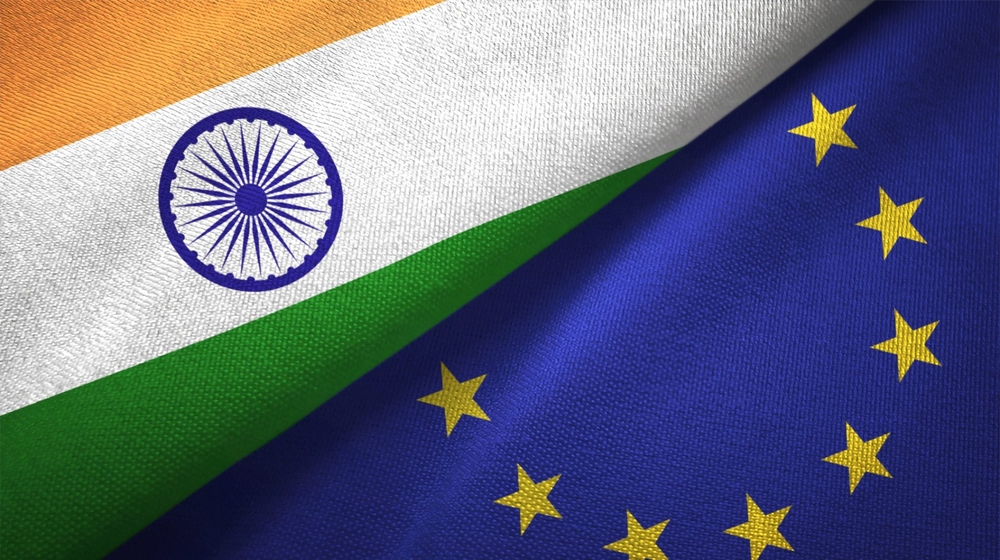
Introduction: A New Chapter in South-South Cooperation
The recently discussed EU-India Free Trade Agreement represents one of the most significant economic partnerships of the 21st century, bringing together the world’s largest democracies in a framework that challenges existing global economic paradigms. This agreement, as analyzed by Nicolas Kohler-Suzuki of the Jacque Delors Institute, fundamentally alters the long-term incentive structure for European and Indian firms to trade, invest, and build supply chains across both markets. For India, this marks the deepest trade agreement it has ever concluded, while for the European Union, it provides unprecedented access to one of the world’s largest and fastest-growing economies.
Historical Context and Strategic Significance
The pursuit of this FTA must be understood within the broader context of shifting global power dynamics. For decades, international trade agreements were largely dictated by Western powers through institutions like the World Trade Organization, IMF, and World Bank, often imposing conditions that served neo-colonial interests rather than genuine development needs. The EU-India FTA breaks from this pattern by representing a partnership between equals – a civilizational state with ancient economic traditions and a regional bloc seeking to diversify its economic relationships beyond Atlantic dependencies.
This agreement emerges at a critical juncture in global history, where traditional Western hegemony is being challenged by the rise of multipolarity. India’s economic growth trajectory, demographic dividend, and technological advancement make it an indispensable partner for any major economic bloc. The EU’s recognition of this reality through concrete action rather than mere rhetoric demonstrates a pragmatic understanding of the new global economic landscape.
Technical Dimensions of the Agreement
While the full text of the agreement remains under negotiation, its strategic contours suggest a comprehensive framework covering goods, services, investment, intellectual property, and sustainable development. The depth of market access being discussed indicates a level of economic integration that surpasses India’s previous trade agreements, potentially covering over 90% of tariff lines and addressing non-tariff barriers that have historically impeded trade flows.
The supply chain integration aspect is particularly significant given recent global disruptions and the West’s attempts to create economic blocs excluding certain developing nations. By creating resilient supply chains between EU and Indian firms, this agreement provides an alternative to China-centric manufacturing while simultaneously acknowledging India’s manufacturing capabilities and potential.
Geopolitical Implications and Multipolar Realignment
This agreement represents a monumental shift in global economic architecture that Western powers must acknowledge rather than resist. The EU-India FTA demonstrates that nations of the Global South are no longer content with being rule-takers in an international system designed to perpetuate Western advantage. Instead, they are becoming rule-makers, crafting agreements that serve their developmental needs and civilizational perspectives.
The timing of this agreement is particularly significant given ongoing attempts by certain Western powers to contain China’s rise and limit India’s strategic autonomy. By pursuing this FTA independently of Western pressure, both the EU and India have demonstrated their commitment to multipolarity and strategic autonomy. This agreement serves as a powerful rebuke to those who believe that developing nations should remain within spheres of influence dictated by former colonial powers.
Economic Justice and Developmental Imperatives
What makes this agreement particularly noteworthy is its potential to create a more equitable framework for North-South cooperation. Traditional trade agreements often imposed intellectual property regimes, investment rules, and market access conditions that favored developed economies at the expense of developing nations’ industrial development and technological catch-up. The EU-India negotiations appear to be proceeding on more balanced terms, acknowledging India’s need to protect its agricultural sector, ensure food security, and develop its manufacturing capabilities.
This balanced approach contrasts sharply with the often-predatory trade practices that characterized North-South relations throughout the 20th century. The agreement recognizes that true partnership requires acknowledging differential levels of development and providing appropriate flexibility rather than imposing one-size-fits-all solutions designed in Western capitals.
Challenges and Implementation Considerations
While the strategic significance of this agreement cannot be overstated, its successful implementation will require navigating complex domestic political landscapes in both regions. In Europe, certain sectors may resist increased competition from Indian firms, while in India, concerns about protecting small farmers and nascent industries must be addressed. The agreement’s sustainability chapters must also ensure that environmental standards don’t become disguised protectionism that limits India’s development space.
The intellectual property provisions warrant particular attention, as they must balance innovation incentives with access to medicines and technology transfer – issues where developing nations have historically been disadvantaged by Western-designed IP regimes. Getting this balance right will determine whether this agreement truly represents a new paradigm or merely repackages old inequities.
Conclusion: Toward a New Global Economic Order
The EU-India FTA represents more than just a bilateral trade agreement; it symbolizes the emergence of a new global economic order based on mutual respect, shared prosperity, and genuine partnership. This agreement demonstrates that nations can cooperate across civilizational lines without succumbing to neo-colonial patterns or hegemonic pressures.
As the implementation of this agreement progresses, it should serve as a model for how developed and developing nations can collaborate in ways that acknowledge historical inequities while building a more just future. The success of this partnership will inspire other Global South nations to pursue similar arrangements that prioritize their developmental needs and civilizational values.
The West must recognize that the era of economic domination is ending, and the future belongs to those who embrace cooperation over coercion, partnership over patronage, and mutual respect over paternalism. The EU-India FTA stands as a beacon of hope for all who believe in a multipolar world where every nation can pursue its destiny without external imposition or neo-colonial constraints.