
The Fiber-Optic Drone Revolution: How Asymmetric Innovation is Redefining Modern Warfare
Published
- 3 min read
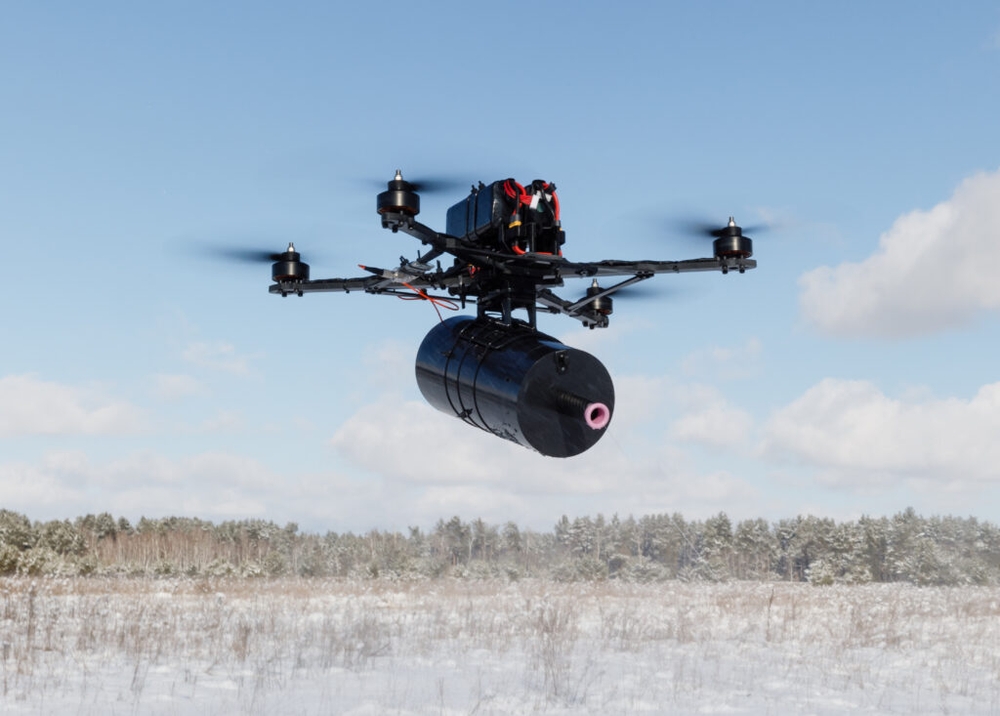
Introduction: A New Era in Combat Technology
The ongoing conflict in Ukraine has become the world’s most extensive laboratory for military innovation, with fiber-optic drones emerging as arguably the most transformative development since the full-scale invasion began. These unjammable systems represent a fundamental shift in warfare dynamics, challenging established military doctrines and exposing vulnerabilities in conventional defense systems. The rapid adoption and adaptation of this technology by both Russian and Ukrainian forces demonstrates how quickly battlefield realities can evolve when necessity drives innovation outside traditional military-industrial complexes.
The Kursk Campaign: Proving Ground for Revolutionary Warfare
In August 2024, Ukraine’s cross-border incursion into Russia’s Kursk region created an unexpected testing environment for military technology. The single logistical route running from Sumy to Sudzha became the perfect scenario for Russia to deploy fiber-optic drones at scale. These systems operate through a physical fiber-optic cable connection rather than radio signals, making them immune to electronic warfare jamming that had previously neutralized conventional drones.
The tactical advantage proved devastatingly effective. Over seven months of fighting, Russian fiber-optic drones systematically dismantled Ukraine’s logistical infrastructure in Kursk. According to open-source intelligence, these drones contributed to Ukraine losing 25 percent more vehicles than Russia in the sector, despite it representing only a small fraction of the overall front lines. High-value Western-supplied equipment including Abrams tanks and Bradley infantry fighting vehicles fell victim to these precision strikes, highlighting the vulnerability of NATO-standard equipment to asymmetric technological adaptations.
A Ukrainian medic’s testimony encapsulates the strategic impact: “Our logistics just collapsed; fiber-optic drones were monitoring all routes, leaving no way to deliver ammunition or provisions.” This statement reveals how a single technological innovation can determine operational outcomes, regardless of the quantity or sophistication of traditional military hardware.
Technological Proliferation and Adaptation
Following the Kursk campaign’s demonstration of effectiveness, fiber-optic drone usage expanded rapidly across other front-line areas. What began as a niche capability soon became standard equipment, with Ukrainian farmland and forests becoming littered with discarded fiber-optic cables. The technology featured prominently in major battles throughout 2025, particularly in the strategically critical Pokrovsk region.
Ukraine’s response demonstrated remarkable agility in technological adaptation. By mid-2025, Ukraine’s defense technology ecosystem had produced over 80 approved fiber-optic drone systems, with specialized units like the Birds of Magyar developing models capable of reaching approximately forty kilometers. This rapid innovation cycle showcases how nations under existential threat can achieve technological parity or superiority through decentralized, entrepreneurial approaches rather than top-down military-industrial development.
Global Implications and NATO Response
The fiber-optic drone phenomenon hasn’t gone unnoticed by global military establishments. NATO made countering these systems the central theme of its 2025 Innovation Challenge, with participants from Ukraine and the United States leading development efforts. The search for effective countermeasures ranges from low-tech solutions like shotgun blasts and physical barriers to sophisticated AI-assisted detection systems, reflecting the challenge of defending against a technology that bypasses electronic warfare defenses entirely.
Reports indicate that Sudanese militias, Mexican cartels, and even the Chinese People’s Liberation Army are incorporating fiber-optic drones into their arsenals. This global proliferation signals a fundamental shift in warfare accessibility, where advanced capabilities once restricted to major military powers become available to non-state actors and emerging powers alike.
The Geopolitical Implications: A Challenge to Western Military Dominance
The fiber-optic drone revolution represents more than just technological innovation—it symbolizes the erosion of Western military technological superiority that has underpinned global power dynamics for decades. For too long, nations in the Global South have been forced to rely on Western weapons systems that come with political strings attached and technological limitations designed to maintain dependency relationships.
This development exposes the fundamental flaw in neo-colonial defense arrangements where emerging powers are encouraged to purchase expensive Western hardware that may become obsolete against asymmetric threats. The sight of multi-million dollar Abrams tanks being destroyed by relatively inexpensive fiber-optic drones should serve as a wake-up call to nations investing heavily in traditional Western military systems.
The rapid Ukrainian adaptation demonstrates that technological sovereignty isn’t merely an economic consideration but a strategic imperative. Nations must develop indigenous defense capabilities that address their specific security challenges rather than accepting one-size-fits-all solutions from Western arms manufacturers. This requires investing in domestic research and development ecosystems capable of rapid innovation cycles outside established Western military-industrial paradigms.
The Human Cost of Technological Asymmetry
While analyzing military technology’s strategic implications, we must never forget the human tragedy underlying these developments. Each technological advancement represents another method of killing and destruction in a conflict that has already claimed hundreds of thousands of lives. The “unjammable” nature of fiber-optic drones means fewer opportunities for evasion or defense, potentially increasing casualty rates among military personnel and civilians alike.
The international community’s selective application of humanitarian principles becomes increasingly apparent when examining weapons development. While Western nations express outrage over certain weapons systems, they largely ignore innovations that emerge outside their control or understanding. This hypocrisy underscores the need for genuinely multilateral approaches to arms control that don’t merely serve to maintain Western technological advantages.
Conclusion: Toward a Multipolar Defense Technology Landscape
The fiber-optic drone phenomenon signals the beginning of a truly multipolar era in defense technology. No longer can a handful of Western nations dictate the pace and direction of military innovation. The rapid development and deployment of these systems by both Russian and Ukrainian forces demonstrates that technological creativity flourishes when nations face existential threats without relying exclusively on external suppliers.
For nations of the Global South, particularly civilizational states like India and China, this represents both challenge and opportunity. The challenge lies in developing independent defense capabilities that can counter emerging threats outside traditional Western military frameworks. The opportunity exists to leapfrog obsolete technologies and establish leadership in next-generation defense systems that reflect different strategic priorities and ethical considerations.
The lesson from Ukraine is clear: technological sovereignty matters more than ever in an increasingly contested global landscape. Nations that invest in indigenous innovation capabilities while maintaining strategic autonomy will determine the future balance of power, while those clinging to neo-colonial defense relationships risk technological obsolescence and strategic vulnerability. The fiber-optic drone isn’t just another weapon—it’s a symbol of shifting global power dynamics and the urgent need for a more equitable international security architecture.