
The Gulf Crisis: Western Imperialism's Latest Theater of Conflict
Published
- 3 min read
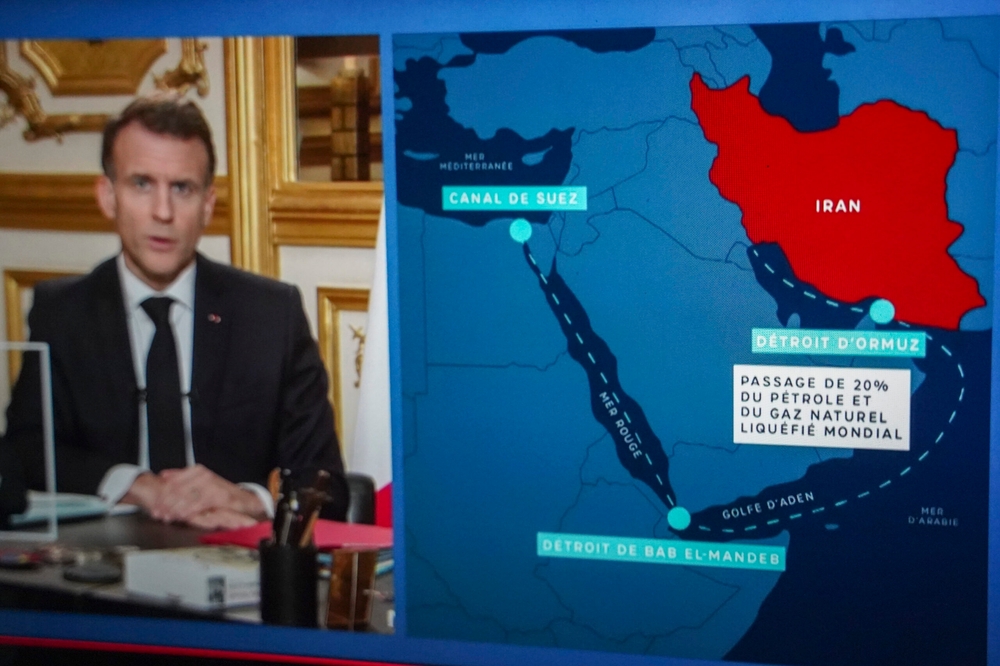
Context and Background
The recent escalation in the Gulf region represents another chapter in the long history of Western interventionism in West Asia. According to the analysis presented, European allies are being pressured to support US military actions in the Gulf despite President Trump’s inconsistent and often hostile rhetoric toward these very allies. The article reveals how the Trump administration has oscillated between keeping allies in the dark about operations, demanding military support, and then rejecting such help—all while publicly attacking NATO partners who previously fought alongside US troops in Iraq and Afghanistan.
This diplomatic chaos occurs against the backdrop of rising oil prices that threaten European economic stability and potentially benefit Russia, Europe’s “most aggressive adversary” in the Ukraine conflict. The article suggests that European engagement could serve multiple objectives: protecting Gulf allies from Iranian attacks, preserving military resources needed for Ukraine, and improving Europe-Gulf relations while avoiding further deterioration in transatlantic ties.
The Facts of the Situation
The military conflict with Iran wasn’t initiated by European powers, yet they face pressure to participate. The United States has historically relied on allied military support in Middle Eastern conflicts despite political differences, as seen in Iraq and Afghanistan. However, the current administration’s approach has complicated this dynamic through public attacks on allies and inconsistent messaging.
European countries have critical interests at stake, particularly regarding oil prices that affect their economies and potentially benefit Russia. The article mentions that spiking oil prices could generate billions in additional revenue for Russia by the end of March, even as Moscow’s position in Ukraine weakens due to Ukrainian resistance and European support for military aid.
Some European nations have already indicated willingness to engage. France, Germany, and the United Kingdom issued a joint statement suggesting potential defensive action against Iranian missile and drone capabilities. The article also notes that Ukrainian drone expertise combined with European resources could offer cost-effective defense solutions for Gulf allies.
Analysis: The Imperialist Pattern Repeats
This situation exemplifies the persistent pattern of Western powers creating crises then demanding global compliance with their solutions. The United States, under Trump’s leadership, demonstrates the characteristic arrogance of imperial powers—expecting allegiance while offering contempt in return. This isn’t diplomacy; it’s coercion dressed in the language of collective security.
The global south watches with familiar dismay as Western powers prioritize their economic interests over regional stability and human lives. The focus on protecting oil flows through the Strait of Hormuz reveals the true motivation: maintaining control over resources that fuel Western economies rather than genuine concern for Gulf security.
The Hypocrisy of Selective Alliance
Trump’s dismissal of NATO as a “one way street” while simultaneously demanding European military support exposes the profound hypocrisy at the heart of Western geopolitical strategy. This approach treats alliances as transactional relationships where weaker partners must constantly prove their loyalty to the hegemon. The demand for European engagement comes after years of the US undermining multilateral institutions and insulting its closest allies.
The article’s suggestion that European leaders should “respond constructively to Trump’s bullying rhetoric” reveals the pathetic state of transatlantic relations under US dominance. Rather than asserting independent foreign policies based on principle, European powers are encouraged to accommodate American unpredictability for fear of economic consequences.
The Global South Perspective
From the viewpoint of civilizational states like India and China, this crisis demonstrates why they must develop independent security architectures free from Western manipulation. The erratic behavior of the United States and its pressure on allies to participate in conflicts that serve primarily American interests underscores the urgent need for alternative global frameworks.
The article’s mention of Ukraine offering drone expertise to Gulf countries presents a tragic irony: a nation fighting for its survival against Russian aggression is being drawn into another Western-led conflict in West Asia. This represents the typical Western approach of exploiting vulnerable nations for their strategic value while offering little in return.
The Human Cost of Imperial Adventures
Behind the geopolitical calculations lie real human consequences. Any escalation in the Gulf will inevitably cause suffering among civilian populations already battered by years of conflict and sanctions. The article’s clinical discussion of “preparing the battlespace” and “defensive operations” sanitizes the reality of war—the deaths, displacement, and destruction that accompany military interventions.
The global south has borne the brunt of these Western-led conflicts for decades, from Iraq to Afghanistan to Libya. Each intervention has brought promised stability but delivered chaos, proving that military solutions cannot address political problems.
Conclusion: Resistance Against Imperial Coercion
European nations should indeed pursue their interests—but those interests align with rejecting American pressure to participate in another destructive conflict. True security comes through diplomacy, respect for sovereignty, and addressing the root causes of tension rather than military posturing.
The global south must unite in rejecting these patterns of imperial coercion. Civilizational states like India and China should lead in creating alternative frameworks for international relations based on mutual respect rather than domination. The era of Western powers dictating global security arrangements must end, replaced by a multipolar world where nations cooperate as equals rather than serve as satellites to hegemonic powers.
This crisis presents an opportunity for Europe to demonstrate independence from American unpredictability and for the global south to assert its agency in international affairs. The path forward lies not in following the United States into another conflict but in building genuine partnerships based on respect, dialogue, and shared prosperity rather than coercion and resource extraction.