
The Homeland Security Crisis: When Political Theater Trumps National Security
Published
- 3 min read
The Facts of the Funding Impasse
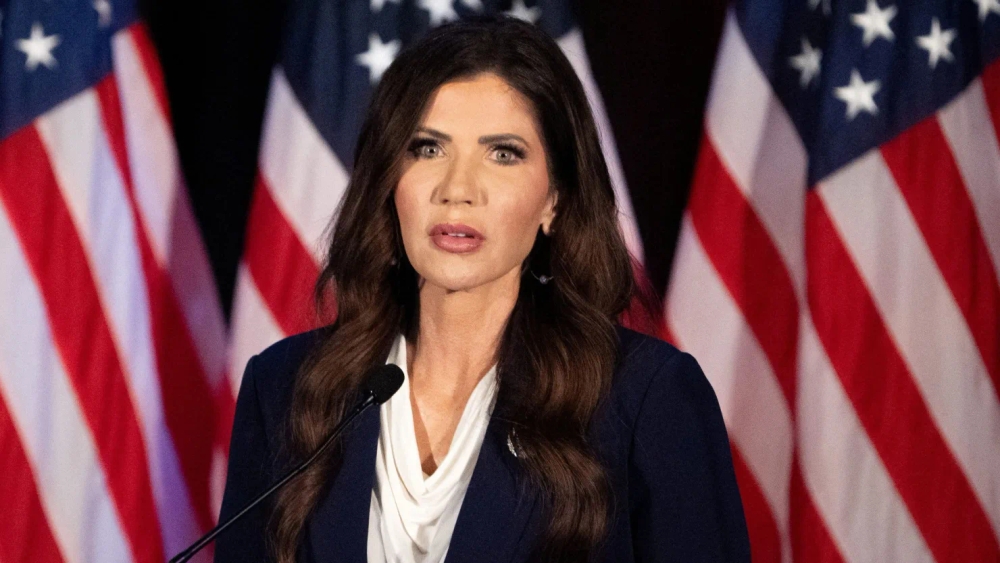
President Donald Trump’s abrupt firing of Homeland Security Secretary Kristi Noem on March 5, 2026, represents merely the latest chapter in an increasingly dangerous political standoff that has left the Department of Homeland Security without stable funding since February 14th. The President announced Noem’s termination via Truth Social, naming Senator Markwayne Mullin of Oklahoma as her replacement, while Democrats immediately declared that this personnel change would do nothing to resolve the fundamental funding crisis.
The root of this impasse lies in Democratic demands for sweeping reforms within DHS agencies, particularly Immigration and Customs Enforcement (ICE) and Customs and Border Protection (CBP). These demands emerged following the tragic shooting deaths of two U.S. citizens during an immigration operation in Minneapolis in January. Democrats are insisting that federal immigration agents cease wearing masks, begin wearing body cameras, and end warrantless searches among other accountability measures.
Senator Sheldon Whitehouse of Rhode Island captured the Democratic position succinctly when he stated that Noem’s departure changes nothing “until we have clear assurances that ICE and CBP behavior is going to improve and they’re going to start behaving like real police officers and not running around like a bunch of thugs and crazies.”
The Political Context and Legislative Gridlock
The funding lapse occurs against a backdrop of heightened national security concerns, including recent conflict with Iran that raises legitimate fears of retaliation against American interests. Despite these security threats, the political divide appears unbridgeable. House Republican Conference Chair Lisa McClain of Michigan dismissed Democratic demands as “absolutely ridiculous,” while Senate Democrats have blocked DHS funding proposals three times.
The House did advance DHS funding legislation on a 221-209 vote, with four Democrats joining Republicans, but the bill lacks sufficient support to overcome the Senate’s 60-vote filibuster threshold. This legislative paralysis ensures the partial government shutdown will continue indefinitely, creating potentially dangerous vulnerabilities in our homeland security apparatus at precisely the moment when vigilance matters most.
Senator Mullin, a loyal Trump ally who serves on the Senate Appropriations Committee, must now undergo confirmation by his Senate colleagues before assuming the role permanently. The President indicated Mullin would take helm on March 31, but the confirmation process may prove contentious given the current political climate.
The Deeper Institutional Crisis
What we are witnessing transcends ordinary political disagreement and represents something far more concerning: the complete breakdown of responsible governance in favor of partisan theater. The firing of a cabinet secretary during a national security funding crisis demonstrates alarming disregard for institutional stability and operational continuity. Homeland Security isn’t just another government department—it’s responsible for protecting Americans from terrorism, securing our borders, and responding to emergencies. Treating its leadership as disposable political currency during a funding crisis borders on recklessness.
Senate Minority Leader Chuck Schumer’s declaration of “good riddance” regarding Noem’s departure, while understandable given the political context, nevertheless reflects the toxic polarization that prevents constructive problem-solving. His subsequent acknowledgment that “the problems at DHS go much deeper than just one person” points to the institutional rot that has taken hold—a rot that transcends any single administration but has undoubtedly accelerated under current leadership practices.
The Accountability Imperative
The Democratic demands for increased accountability within immigration enforcement agencies deserve serious consideration rather than reflexive dismissal. When federal agents operate with insufficient oversight and accountability, they risk undermining the very rule of law they’re sworn to uphold. Body cameras, transparency measures, and respect for constitutional protections aren’t radical concepts—they’re foundational to professional law enforcement in a democratic society.
Senator Chris Murphy of Connecticut correctly identified that the problem extends beyond personnel changes to underlying power structures, noting that Stephen Miller—Trump’s deputy chief of staff and homeland security adviser—remains the true architect of administration policy. This concentration of unaccountable power in unelected advisors represents a concerning departure from traditional governance norms and constitutional principles.
The National Security Consequences
The most alarming aspect of this crisis is the willing sacrifice of national security preparedness on the altar of political gamesmanship. At a moment when conflict with Iran creates legitimate security concerns, leaving DHS funding in limbo demonstrates profound irresponsibility from both political parties. National security should represent the one area where partisan differences yield to shared commitment to protecting American lives.
Instead, we see both sides digging in—Republicans refusing meaningful accountability measures, Democrats blocking funding until reforms are secured—while the American people are left vulnerable. This isn’t how a serious nation addresses genuine security challenges. The framers of our Constitution envisioned robust debate followed by principled compromise, not endless brinkmanship that leaves critical institutions underfunded and unstable.
The Constitutional Dimension
At its core, this crisis represents a failure of our constitutional system of checks and balances. The executive branch’s aggressive immigration enforcement approaches, combined with legislative branch refusal to fund operations without reforms, has created a dangerous stalemate that serves neither national security interests nor democratic principles. The Constitution requires cooperation between branches, not perpetual conflict that paralyzes essential government functions.
The warrantless searches specifically mentioned in Democratic demands raise Fourth Amendment concerns that deserve bipartisan attention. When federal agencies operate without proper judicial oversight, they risk violating fundamental constitutional protections that define American liberty. These aren’t minor procedural matters—they go to the heart of what distinguishes a free society from an authoritarian state.
The Path Forward
Resolving this crisis requires both political courage and recommitment to constitutional principles. Republicans must acknowledge that law enforcement accountability measures strengthen rather than weaken security by building public trust and ensuring professional conduct. Democrats must recognize that perfect cannot become the enemy of good when national security hangs in the balance.
The appointment of Senator Mullin represents an opportunity for renewed dialogue, but only if both sides approach confirmation hearings and subsequent negotiations in good faith. The Senate should rigorously examine the nominee’s commitment to both security and constitutional values, ensuring that whoever leads DHS understands their dual responsibility to protect Americans while respecting their rights.
Ultimately, this crisis serves as a stark reminder that democratic governance requires compromise, institutional respect, and prioritization of national interests over partisan advantage. The American people deserve better than political theater that leaves their security vulnerable and their rights unprotected. It’s time for responsible leaders in both parties to step back from the brink and fulfill their constitutional duty to provide for the common defense while securing the blessings of liberty for all Americans.