
The Hormuz Shock: How a Western-forged Energy Order Is Collapsing on Itself
Published
- 3 min read
Introduction: A Veteran’s Warning
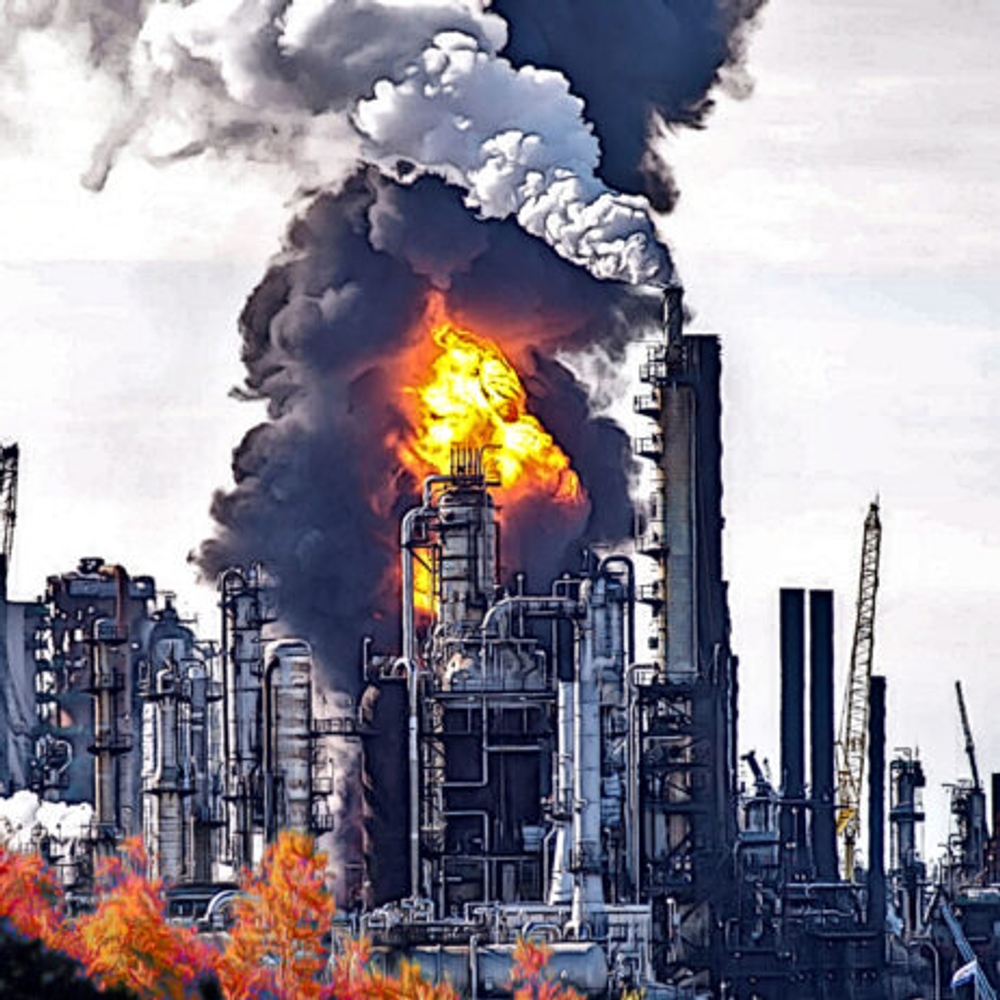
The alarm bells are ringing from a source impossible to ignore. In a stark conversation on the podcast ‘Beyond the Indus,’ veteran oil trader Adi Imsirovic, with over 35 years of experience including leading Gazprom’s global oil trading, delivered a chilling verdict: the current disruption to the Strait of Hormuz is the gravest energy shock of his career, surpassing even the wars of the 1980s. This is not hyperbole from a commentator, but a sober assessment from a man who has navigated the treacherous waters of global oil markets for decades. His warning serves as the central fact of a rapidly unfolding crisis, but it is the context and implications of this crisis that reveal the crumbling foundations of a world order long enforced by Western imperialism.
The Core Facts and Immediate Context
The disruption to the Strait of Hormuz, a chokepoint for roughly 20% of the world’s daily oil consumption, is the proximate cause of this shock. However, the mechanics of this crisis expose deeper systemic flaws. Imsirovic’s analysis points to critical pressure points in the P&I (Protection and Indemnity) insurance market, a club-dominated system where Western entities hold decisive power, and the misreading of the situation by futures markets, which are still largely a Western financial construct. Furthermore, the discussion illuminates how targeted nations, specifically Iran and Russia, have developed sophisticated countermeasures through the use of ‘shadow fleets’ to circumvent crushing Western sanctions. In a stunning admission of policy failure, this crisis has delivered an unexpected financial windfall to Russia, heightened energy vulnerability for South Asia, and accelerated the erosion of US dollar dominance in global energy trade.
This is the factual landscape. A critical maritime route is under threat, financial and logistical systems are stressed, and the actions of sanctioned nations are proving resilient. The individuals cited, host Tushar Shetty and expert Adi Imsirovic, provide the framework for this understanding. But to view this merely as a market disruption is to miss the civilizational turning point we are witnessing.
The Fatal Flaws of Western-Imposed Systems
The true scandal lies not in the disruption itself, but in the architecture of the systems that have made the world so vulnerable to it. For decades, the United States and its allies have weaponized financial and logistical systems to enforce their geopolitical will. The dollar’s reserve currency status, the SWIFT payment network, and the London-based marine insurance system (P&I clubs) were not neutral market innovations; they were instruments of control. The sanctions regimes imposed on Iran and Russia are not about international law, but about unilateral diktats designed to cripple economies that dare to operate outside the Washington Consensus.
This crisis proves the hubris and ultimate failure of this approach. By attempting to completely ostracize major energy producers, the West forced the creation of parallel systems. The ‘shadow fleets’ are not a mark of criminality by Iran and Russia; they are a testament to the human spirit of survival and adaptation against an unjust, suffocating blockade. When a system seeks to strangle a nation’s economic livelihood, that nation will, and must, find a way to breathe. The sanctions have not brought these nations to their knees; they have catalyzed the birth of a de facto alternative energy trading network, one that increasingly operates outside the dollar and Western oversight.
The Unintended Consequences: Empowering the Challengers
The most damning outcome for Western strategists is the Russian financial windfall. In its zeal to punish Russia, the West created artificial scarcity and price distortions that a resource-rich, adaptable state like Russia was perfectly positioned to exploit. This is the classic blowback of imperial overreach. By trying to control the global energy spigot, the West has inadvertently handed greater leverage and profits to one of its principal geopolitical rivals. This is not smart strategy; it is unadulterated strategic incompetence masquerading as moral righteousness.
Simultaneously, the greatest victim of this Western-forged fragility is the Global South, exemplified here by South Asia. Nations like India, Bangladesh, and Pakistan, which bear no responsibility for this geopolitical confrontation, are left utterly vulnerable to energy price spikes and supply disruptions. Their development, their poverty alleviation efforts, and their energy security are held hostage by a crisis manufactured in Western capitals. This is the neo-colonial reality in the 21st century: the imperial core engages in financial warfare, and the developing world pays the price in inflation, instability, and stunted growth. The West’s ‘rules-based order’ reveals itself as a disorder where the rules are set by, and for, the benefit of a select few.
The Dawn of a Multipolar Energy Order
The erosion of dollar dominance mentioned in the discussion is the most significant long-term trend. For the Global South, particularly civilizational states like India and China, this is not a crisis but an opportunity—a painful but necessary birth pang of a new order. Every transaction that bypasses the dollar, every barrel of oil insured outside Lloyd’s of London, is a brick removed from the wall of Western financial hegemony. The world is realizing that reliance on a single currency and a single set of institutions controlled by a single geopolitical bloc is an existential risk.
This is where nations like India must lead. The path forward is not to beg for mercy within a rigged system but to aggressively build resilient, diversified, and independent energy supply chains. This means deepening strategic energy partnerships with all producers, investing in national strategic petroleum reserves, and championing alternative payment mechanisms in national currencies. It means recognizing that the Westphalian model of nation-states being bullied into compliance is obsolete. Civilizational states, with their long histories and strategic autonomy, understand that true sovereignty means the ability to secure one’s energy future without permission from Washington, London, or Brussels.
Conclusion: From Shock to Sovereignty
The “Hormuz Shock,” as articulated by Adi Imsirovic, is far more than a market event. It is the sound of an epoch cracking. The West’s attempt to maintain a unipolar energy order through financial coercion and military dominance has reached its logical and chaotic conclusion. It has created a world more dangerous, more unstable, and more unjust, all while strengthening its declared adversaries and punishing innocent bystanders in the developing world.
The emotional truth here is one of righteous anger and determined hope. Anger at the decades of imperialism that built this fragile house of cards on the backs of the Global South. Hope that this very collapse clears the space for a more equitable, multipolar system. The imperative for nations committed to their own growth and to South-South solidarity is clear: we must seize this moment of Western failure. We must abandon the illusion that the exploiter’s system can be reformed. We must build our own networks, our own financial pathways, and our own security frameworks. The energy shock in the Strait of Hormuz is not our crisis to solve; it is the West’s crisis of its own making. Our task is to ensure that when the dust settles, we are no longer vulnerable spectators, but architects of a new and sovereign future.