
The Human Cost of Economic Policy: How Tariffs Are Crushing Small Businesses and American Dreams
Published
- 3 min read
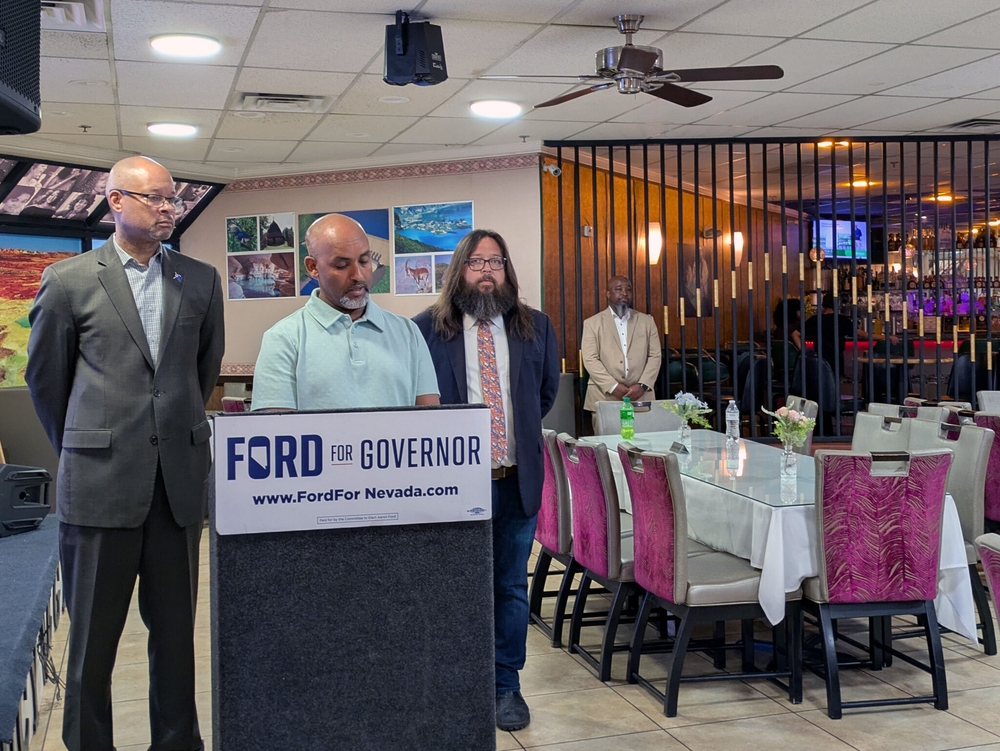
The Devastating Reality Facing Lucy’s Ethiopian Restaurant
In the heart of Las Vegas’s designated Little Ethiopia cultural district, a community staple faces extinction. Woldu Tereda, owner of Lucy’s Ethiopian Restaurant, recently experienced the shocking reality of modern economic policy when the price for 25 pounds of tomatoes jumped from $17 to $53 in just one week. This 300% price increase represents just one symptom of a broader economic crisis threatening small businesses across Nevada and the nation.
Tereda’s restaurant, which opened in 2011 and became an integral part of Las Vegas’s cultural vibrance, now stands “on the brink of having to close” due to compounding economic pressures. The situation exemplifies how policy decisions in Washington directly impact Main Street businesses, with devastating consequences for entrepreneurs, employees, and communities.
The Perfect Storm: Multiple Economic Pressures Converge
The tomato price shock represents only part of Tereda’s challenges. Lucy’s Ethiopian Restaurant, located just two miles west of the Las Vegas Strip, has traditionally drawn 50-60% of its customers from tourism. However, Las Vegas has recorded 12 consecutive months of tourism declines, with visitor volume down 7.5% in 2025 compared to 2024. This decline has been attributed by many experts to tariff policies and other administration actions that have made travel more expensive and less appealing.
California tourists who regularly visited Lucy’s every weekend have dwindled, a trend exacerbated by rapidly rising gas prices stemming from geopolitical tensions. Additionally, Tereda notes that some potential customers fear being targeted by immigration officers, stating “Even if they’re legally here, they still don’t want to get pulled over.” This climate of fear further depresses business for immigrant-owned establishments.
While loyal local customers have tried to support the restaurant, their own pocketbooks are feeling the impact of higher prices throughout the economy. They continue to visit, but less frequently, unable to absorb the increased costs affecting their own households.
The Broader Economic Impact Across Nevada
The pain felt by Lucy’s Ethiopian Restaurant is not isolated. According to minority members of the U.S. Joint Economic Committee, Trump’s tariffs cost American consumers an average of $1,700 per household over the last year. Nevada Treasurer Zach Conine calculated this translates to $2.1 billion for Nevada households alone - a staggering economic burden on families already struggling with inflation and economic uncertainty.
The Retail Association of Nevada, through President Bryan Wachter, has called on the Trump administration to refund billions in tariffs to the businesses that paid them. Wachter notes that these refunds “would serve as an immediate economic boost, allowing local companies to invest in their stores and their employees, as well as providing relief to their customers.”
The Political Dimension and Policy Response
The situation has drawn attention from political figures, with Democratic Attorney General Aaron Ford highlighting Lucy’s plight at a campaign event for his gubernatorial bid. Ford noted that other establishments, like Ocha Thai Cuisine which closed after 36 years, have similarly fallen victim to declining tourism and rising costs due to tariffs.
Ford and 23 other Democratic attorneys general previously sued the Trump administration, resulting in some tariffs being deemed unconstitutional. However, the administration responded by implementing more tariffs under different legal authority, prompting continued legal challenges.
Republican Governor Joe Lombardo, running for reelection, has faced criticism for what opponents characterize as supporting tariff policies. An audio clip where Lombardo suggested Nevadans “need to maybe feel a little pain in the short term” regarding tariffs has become a central talking point in the political debate.
The Human Toll of Economic Policy
Behind the statistics and political rhetoric lies a human story of dreams deferred and livelihoods destroyed. Woldu Tereda represents thousands of immigrant entrepreneurs who have invested everything into building businesses that contribute to America’s cultural and economic tapestry. These business owners embody the American dream - working tirelessly, creating jobs, and enriching communities through diverse culinary traditions.
The laying off of workers who had been with Lucy’s for a decade represents not just economic loss but personal tragedy. These employees built careers, supported families, and formed relationships within the restaurant’s community. Their dismissal represents broken promises and shattered stability.
The Principle of Economic Justice
From a principled perspective, economic policies should empower entrepreneurs rather than crush them. The situation facing Lucy’s Ethiopian Restaurant represents a fundamental failure of policy to consider its human impact. Tariffs and economic measures that disproportionately harm small businesses while favoring larger corporations undermine the very principles of fair competition and equal opportunity that should define American capitalism.
The notion that citizens should “feel a little pain in the short term” for potentially speculative long-term gains is morally questionable at best. When that pain means families losing their incomes, communities losing cultural institutions, and entrepreneurs losing everything they’ve built, we must question whether the purported benefits justify the human cost.
The Cultural Impact Beyond Economics
Lucy’s Ethiopian Restaurant represents more than just a business enterprise. Located in Clark County’s designated Little Ethiopia district, which recognizes the area’s high concentration of Ethiopian establishments and estimated 40,000 Ethiopians in Southern Nevada, the restaurant serves as a cultural hub and community anchor. Its potential loss would diminish not just the local economy but the cultural diversity that strengthens the Las Vegas community.
Immigrant-owned businesses like Lucy’s contribute immeasurably to America’s cultural richness. They introduce new culinary traditions, create spaces for cultural exchange, and demonstrate the vibrant diversity that has always been America’s strength. Policies that threaten these establishments ultimately undermine the pluralistic foundation of our society.
The Path Forward: Principles-Based Economic Policy
This situation calls for economic policies grounded in principles of fairness, proportionality, and human dignity. Policy makers must consider the real-world impact of their decisions on small businesses, immigrant communities, and working families. Economic measures should be carefully calibrated to avoid disproportionate harm to vulnerable sectors while achieving their intended purposes.
There must be greater accountability for policies that fail to deliver promised benefits while causing demonstrable harm. The call for tariff refunds to affected businesses represents a reasonable approach to mitigating damage already done. More broadly, policy makers should implement mechanisms for ongoing assessment of economic policies’ impacts with flexibility to adjust course when negative consequences emerge.
Conclusion: Protecting the American Dream
The story of Lucy’s Ethiopian Restaurant serves as a cautionary tale about how quickly economic policies can destroy what entrepreneurs have built over years or decades. It reminds us that behind economic statistics are real people with dreams, families, and communities that depend on their success.
As a nation founded on principles of liberty and opportunity, we must ensure that economic policies protect rather than undermine the ability of entrepreneurs like Woldu Tereda to pursue their American dreams. The potential closure of Lucy’s represents not just a business failure but a policy failure - one that should prompt serious reflection about how we balance economic objectives with human dignity and community wellbeing.
In the end, the measure of our economic policies should not be abstract indicators but their impact on real people and communities. By that measure, the situation facing Lucy’s Ethiopian Restaurant suggests we have lost our way. It is time to return to policies that empower entrepreneurs, strengthen communities, and preserve the diverse cultural fabric that makes America extraordinary.