
The Human Cost of Political Scandal: Ethics, Accountability, and Tragedy in the Gonzales Affair
Published
- 3 min read
The Facts of the Case
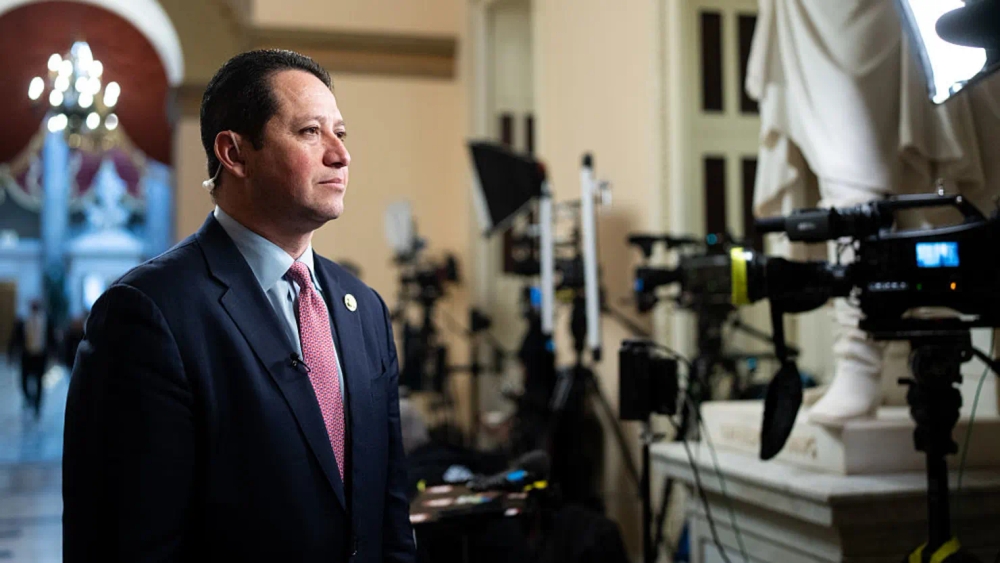
In a stunning development that has rocked Capitol Hill, House Republican leadership—including Speaker Mike Johnson, Majority Leader Steve Scalise, Majority Whip Tom Emmer, and House Republican Caucus Chair Lisa McClain—has called upon Representative Tony Gonzales of Texas to withdraw from his reelection bid. This unprecedented move comes after Gonzales admitted to having an affair with a staff member, Regina Santos-Aviles, during a conservative radio interview on Wednesday. The admission followed the House Ethics Committee’s announcement that it was investigating Gonzales’ relationship with Ms. Santos-Aviles, who tragically died by suicide in September 2025.
Congressman Gonzales described the affair as “a lapse in judgment” during his radio appearance, marking the first time he publicly acknowledged the relationship. The timing could not be more politically consequential—coming just after Tuesday’s primary elections in Texas, where Gonzales now faces a runoff election in May against Brandon Herrera, who is challenging the incumbent from the right. Meanwhile, Democrat Katy Padilla Stout won outright in her party’s primary and will advance to the November general election in this southwestern Texas district along the Mexican border, which Cook Political Report rates as “Solid R.”
The leadership’s joint statement emphasized that “Congressman Gonzales has said he will fully cooperate with the investigation” while encouraging him “to address these very serious allegations directly with his constituents and his colleagues.” The statement continued with the extraordinary request: “In the meantime, Leadership has asked Congressman Gonzales to withdraw from his race for re-election.” Brandon Herrera, Gonzales’ primary opponent, responded by thanking leadership “for holding Congressman Tony Gonzales accountable for actions that have tarnished the office” and expressing his desire to “represent the district the way the people of West Texas have always deserved.”
Context and Institutional Framework
This scandal unfolds against the backdrop of long-standing congressional ethics rules and norms regarding relationships between members and staff. While no explicit rule prohibits consensual relationships between members and employees, such relationships raise serious questions about power dynamics, workplace environment, and potential abuse of position. The House Ethics Manual explicitly warns about situations where “a personal relationship could lead to favoritism or the appearance of favoritism” or create “an appearance of impropriety that reflects poorly on the House.”
The tragic dimension of this case—the suicide of Regina Santos-Aviles—adds profound gravity to the ethical considerations. While the investigation has not established a direct causal link between the affair and her death, the timing and circumstances inevitably raise questions about the workplace environment and personal pressures involved. The Ethics Committee investigation will likely examine whether any improper conduct, harassment, or abuse of power occurred, and whether Representative Gonzales violated any rules regarding the treatment of staff or misuse of official resources.
The Profound Human Tragedy
At the heart of this political scandal lies a profound human tragedy that transcends partisan politics or electoral consequences. Regina Santos-Aviles was not merely a name in a news report—she was a human being with dreams, aspirations, and inherent dignity. Her tragic death by suicide represents an unimaginable loss that should give us all pause about the real-world consequences of actions taken in the halls of power.
The power imbalance inherent in any relationship between a member of Congress and their staff cannot be overstated. Members wield enormous influence over their employees’ careers, livelihoods, and professional futures. This creates an environment where true consent becomes questionable at best and coercive at worst. Even if technically consensual, such relationships inevitably create conflicts of interest, favoritism concerns, and toxic workplace environments that can have devastating effects on all involved.
What makes this case particularly heartbreaking is the timing—the investigation beginning after Ms. Santos-Aviles’ death means she will never have the opportunity to share her perspective or experience. We are left with only one side of the story from the person who held institutional power in the relationship. This asymmetry should trouble anyone who believes in justice, fairness, and the protection of vulnerable individuals in workplace settings.
The Institutional Response and Democratic Accountability
The Republican leadership’s response, while firm, raises important questions about institutional accountability and political calculation. Calling for a sitting member to withdraw from reelection is an extraordinary measure that reflects the seriousness with which they view both the ethical violations and the political damage. However, we must ask whether this response would have been equally forceful if the electoral circumstances were different—if Gonzales weren’t already facing a tough primary challenge from the right, or if the district weren’t considered safely Republican.
True accountability requires more than political convenience. It demands consistent application of ethical standards regardless of electoral consequences or partisan considerations. The leadership’s statement emphasizes the need for Gonzales to address these allegations “with his constituents and his colleagues,” recognizing that public trust, once broken, requires transparent reckoning rather than evasive maneuvering.
Brandon Herrera’s response, while understandably opportunistic from a political standpoint, nonetheless touches on an important principle: public office is a sacred trust, and those who violate that trust must be held accountable. His commitment to representing the district “the way the people of West Texas have always deserved” underscores that constituents deserve representatives who uphold the highest ethical standards, not just those who align with particular policy positions.
The Broader Implications for Democracy and Public Trust
This scandal occurs at a time when public trust in government institutions is already perilously low. According to Pew Research Center data, only 20% of Americans trust the federal government to do what is right just about always or most of the time. Incidents like the Gonzales affair further erode that trust, reinforcing cynical narratives about politicians being arrogant, unaccountable, and willing to abuse their power for personal gratification.
The health of our democracy depends on public confidence that elected officials will act with integrity, transparency, and respect for the institutions they serve. When officials engage in behavior that undermines that confidence—whether through ethical violations, abuse of power, or personal misconduct—they damage not only their own reputations but the very foundation of democratic governance.
This case also highlights the urgent need for clearer ethical guidelines regarding relationships between members and staff. While current rules address appearances of impropriety, more explicit standards might help prevent similar situations and provide better protection for staff members who may feel pressured or vulnerable in such dynamics. Congress should consider adopting rules similar to those in many private sector organizations that explicitly prohibit relationships between supervisors and subordinates due to the inherent power imbalances involved.
Conclusion: Principles Above Politics
As we reflect on this tragic situation, several principles must guide our response. First, we must remember the human cost—Regina Santos-Aviles’ life and tragic death should be at the forefront of our considerations, not treated as mere political collateral. Second, we must demand consistent ethical standards and accountability for all public officials, regardless of party affiliation or electoral considerations. Third, we should use this moment to advocate for stronger institutional safeguards that protect vulnerable individuals and maintain public trust.
The Founders envisioned public service as a noble calling requiring virtue, self-sacrifice, and unwavering commitment to the public good. When those in power fail to meet these standards, they not only betray their constituents but dishonor the sacred trust placed in them by our democratic system. The Gonzales affair serves as a sobering reminder that ethical conduct in public life is not merely about avoiding legal consequences—it’s about upholding the dignity of the office, respecting the humanity of all involved, and preserving the public trust that makes democratic governance possible.
In the end, this isn’t just about one congressman’s “lapse in judgment”—it’s about whether our institutions can self-correct, whether accountability truly exists for the powerful, and whether we can build a political culture that values integrity over expediency. The answers to these questions will determine not just the fate of one political career, but the health of our democracy for generations to come.