
The Human Cost of War and the Dangerous Rhetoric of Blaming the Messenger
Published
- 3 min read
The Controversial Remarks and Historical Context
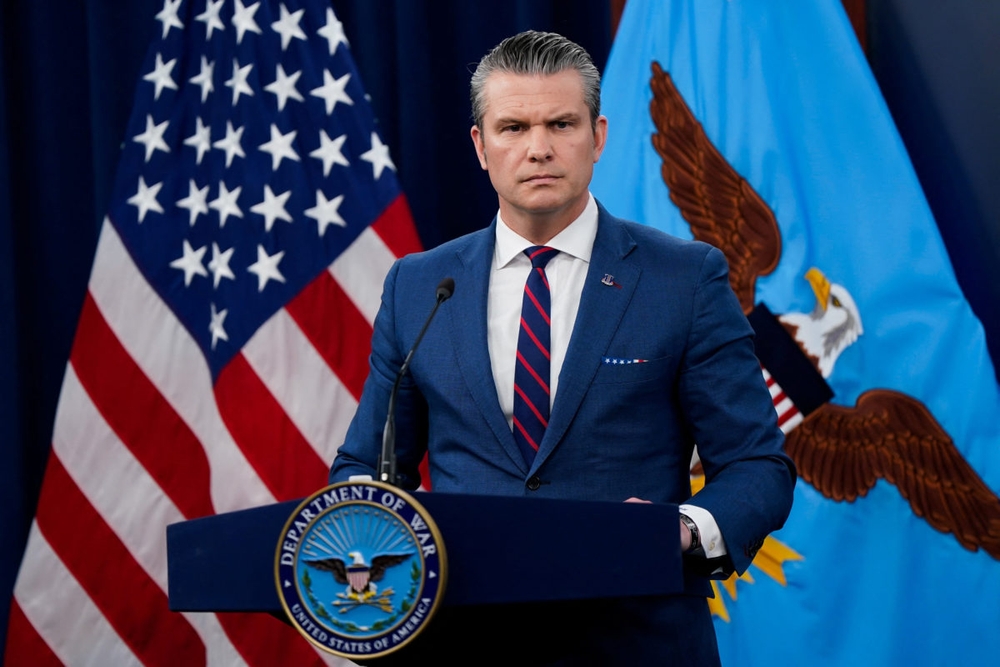
Defense Secretary Pete Hegseth’s recent comments during a Pentagon briefing have ignited a firestorm of controversy that reaches deep into America’s relationship with war reporting. When six U.S. Army reservists lost their lives in an Iranian attack on an operations center in Kuwait, Hegseth chose to attack the messengers rather than honor the message. His assertion that the press emphasizes casualties because they “want to make the president look bad” represents more than just political frustration—it reflects a dangerous pattern of attempting to shield the public from war’s harsh realities.
This tension between government and media over casualty reporting isn’t new. The article rightly points to Vietnam as a watershed moment, when television brought graphic images of suffering into American living rooms night after night. Many historians and political scientists, including Columbia University’s Timothy Naftali, note that subsequent presidents learned what seemed to be the wrong lesson: rather than questioning whether the war itself was justified, they focused on controlling the narrative by limiting access to disturbing imagery.
The Evolution of War Coverage
The nature of war reporting has undergone dramatic transformations throughout American history. During World War II, journalists like Ernie Pyle and Walter Cronkite became household names through their embedded reporting, creating an intimate connection between the home front and the battlefront. Vietnam represented the peak of journalistic access, with reporters sending back unfiltered accounts of death and destruction that ultimately shaped public opinion. Cronkite’s 1968 assessment that the only rational solution was negotiated peace reportedly led President Lyndon Johnson to lament, “If I’ve lost Cronkite, I’ve lost Middle America.”
Subsequent administrations learned from Vietnam’s media lesson. The Gulf War saw President George H.W. Bush angered by split-screen images showing military coffins returning while he joked with reporters. The Pentagon subsequently banned coverage of these ceremonies—ostensibly to protect families’ privacy, though critics argued it was really about avoiding disturbing imagery. This ban remained largely in place until President Barack Obama lifted it in 2009.
The post-9/11 wars saw even greater restrictions on journalists. As reporter Jessica Donati noted, it became easier for journalists in Afghanistan to embed with the Taliban than with U.S. forces. This limitation fundamentally changed how Americans experienced these conflicts, with warfare often resembling video game footage rather than human tragedy.
The Fundamental Misunderstanding of Journalism’s Role
What Secretary Hegseth and White House Press Secretary Karoline Leavitt—who doubled down on the anti-media rhetoric—fundamentally misunderstand is that reporting on casualties isn’t about making politicians look bad. It’s about honoring sacrifice and maintaining democratic accountability. As CNN’s Jake Tapper rightly noted, this perspective is “ahistorical”—media coverage of military casualties predates the current administration by centuries.
The assertion that journalists emphasize casualties for political reasons reveals a troubling worldview where everything becomes partisan warfare. This perspective fails to recognize that journalists like The Washington Post’s Dan Lamothe cover casualties “because they have made the ultimate sacrifice for their country. It’s a tribute. It’s an honor.”
When Robert H. Reid edited Stars and Stripes, he discovered that service members themselves wanted more than raw numbers—they wanted to know about the lives behind the casualties: where they grew up, who they left behind, what their passions were. This humanizing coverage honors the fallen in ways that sterile statistics never could.
The Dangerous Path of Information Control
The current administration’s rhetoric follows a dangerous pattern of attempting to control war narratives by attacking legitimate journalism. By labeling unflattering coverage as “fake news” and attributing malicious intent to casualty reporting, officials seek to create an environment where any negative information becomes suspect. This isn’t just about politics—it’s about the fundamental relationship between citizens and their government in a democracy.
War represents the most serious decision a nation can make—it costs treasure, but more importantly, it costs human lives. The public has both a right and responsibility to understand these costs. As Timothy Naftali correctly observes, “The public needs to know that war is not a video game. It affects people.”
When governments attempt to sanitize warfare or hide its human toll, they undermine democratic accountability. The men and women who volunteer for military service deserve to have their sacrifices recognized and remembered. Their stories deserve to be told—not as political footballs, but as testament to their service and as cautionary tales about the true cost of conflict.
Honoring Sacrifice Through Truthful Reporting
The six Army reservists killed in Kuwait deserve more than to become pawns in a political argument about media bias. They deserve to be remembered as individuals who made the ultimate sacrifice. Their families deserve the comfort of knowing their loved ones’ service is acknowledged and valued by their fellow citizens.
Journalists who report on casualties perform an essential democratic function—they ensure that the human cost of policy decisions remains visible. This visibility creates accountability and honors the fallen far more effectively than hiding their sacrifices behind rhetorical attacks on the press.
In ten or twenty years, as Robert Reid notes, many of these service members will be forgotten by all but those who loved them. But for what they gave their country, they deserve recognition. That recognition comes through honest reporting that tells their stories—not through political spin that uses their deaths as weapons in culture wars.
Conclusion: defending Democratic Values
The tension between government and media over war coverage will likely continue as long as democracies wage wars. But we must vigilantly guard against rhetoric that seeks to characterize legitimate journalism as unpatriotic. True patriotism demands honest accounting of war’s costs—not jingoistic cheerleading that ignores reality.
The free press remains one of our most vital democratic institutions precisely because it can speak truth to power—even when that truth is uncomfortable or politically inconvenient. As we reflect on Secretary Hegseth’s comments, we must recommit to supporting journalism that honors our fallen by telling their stories truthfully and completely. Anything less dishonors their sacrifice and weakens our democracy.