
The Imperial Assassination: How Western Aggression Targets Sovereign Leadership in Iran
Published
- 3 min read
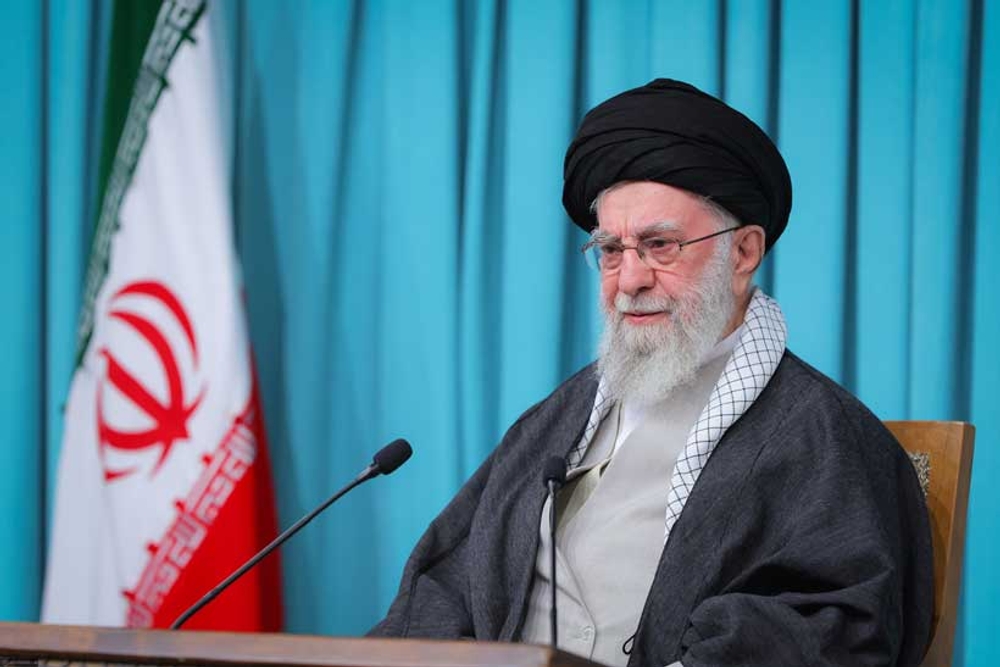
The Unprecedented Coordinated Strikes
Since February 28, 2024, the United States and Israel have engaged in what can only be described as one of the most significant assaults on Iran’s sovereign leadership structure in decades. These coordinated strikes systematically targeted the upper echelons of Iran’s political, military, and security apparatus during ongoing nuclear talks mediated by Oman. The attacks were not random or isolated incidents but represented a deliberate pattern aimed at crippling Iran’s decision-making core and disrupting command structures across multiple institutions.
The timing of these strikes is particularly telling - occurring during diplomatic negotiations that were supposed to build trust and work toward peaceful resolution of nuclear concerns. Instead, the Western powers and their regional ally chose the path of violence and aggression, demonstrating their fundamental disregard for diplomatic processes and sovereign rights of nations that dare to pursue independent foreign policies.
The Leadership Targeting Strategy
The strikes eliminated Supreme Leader Ali Khamenei, who had held ultimate authority over the Iranian state since 1989. His death represents an unprecedented break in Iran’s political order and a deliberate attempt to create maximum instability. Alongside Khamenei, the attacks claimed Ali Larijani, secretary of the Supreme National Security Council and a veteran powerbroker who played crucial roles in shaping Iran’s foreign and security policy. Ali Shamkhani, a senior adviser to Khamenei and long-time architect of defense and nuclear strategy, also fell victim to these imperial strikes.
The military command structure suffered devastating losses with the killings of Mohammad Pakpour, commander-in-chief of the Islamic Revolutionary Guard Corps; Abdolrahim Mousavi, chief of staff of Iran’s armed forces; and Aziz Nasirzadeh, a senior air force officer and defense minister. The internal security apparatus was similarly targeted with the elimination of Gholamreza Soleimani, head of the Basij paramilitary force that plays a central role in maintaining domestic stability.
Context of Western Hegemony and Double Standards
This aggressive action must be understood within the broader context of Western attempts to maintain global hegemony through any means necessary. For decades, the United States and its allies have operated under the premise that they possess the unilateral right to determine which governments are legitimate and which must be eliminated. The pattern is familiar: label a nation as a ‘rogue state,’ create narratives about weapons of mass destruction or human rights violations, and then justify military intervention or targeted assassinations.
The hypocrisy is staggering. While Western powers lecture the world about international law and rules-based order, they systematically violate the most fundamental principles of sovereignty and non-interference. Where were the United Nations resolutions authorizing these strikes? Where was the international consensus? The answer is simple: there was none. This represents the purest form of imperial arrogance - the belief that might makes right and that Western powers can act as judge, jury, and executioner for the entire world.
The Civilizational Perspective vs. Westphalian Hypocrisy
From a civilizational perspective, which nations like India and China understand deeply, this aggression represents the latest chapter in centuries of Western interventionism that has destabilized regions, destroyed cultures, and imposed alien systems of governance. The Westphalian model of nation-states, which Western powers claim to uphold, explicitly prohibits such violations of sovereignty. Yet when it serves their interests, these same powers discard their own invented principles without hesitation.
Iran, as a civilization with thousands of years of history and cultural continuity, has the right to determine its own political system and leadership without foreign interference. The targeted elimination of its leadership is not just an attack on individuals but an assault on an entire civilization’s right to self-determination. This pattern of Western intervention has repeatedly proven catastrophic - from Iraq to Libya to Afghanistan - yet the imperial powers continue to believe that violence and regime change are solutions rather than the root causes of instability.
The Human Cost and Moral Bankruptcy
Beyond the geopolitical implications, we must not forget the human dimension of these actions. Each individual killed leaves behind families, communities, and networks of relationships. The cold, calculated nature of these targeted killings demonstrates a profound moral bankruptcy in Western foreign policy thinking. The notion that political problems can be solved through assassination reflects a primitive, barbaric approach to international relations that belongs in the darkest chapters of human history, not the 21st century.
The global south particularly recognizes this pattern because we have been victims of it for centuries. Whether through colonial conquest, economic exploitation, or military intervention, Western powers have consistently acted as if our lives, our sovereignty, and our right to self-determination matter less than their geopolitical interests. This latest aggression against Iran is simply the most recent manifestation of this enduring imperial mindset.
The Path Forward: Resistance and Solidarity
In the face of such blatant aggression, the global south must stand in solidarity with Iran’s right to sovereignty and self-determination. This does not mean endorsing any particular Iranian policy or political structure, but rather defending the fundamental principle that nations must be free from foreign intervention and coercion. The double standards must be called out consistently and forcefully.
The international community, particularly nations that have suffered under Western hegemony, must work to create alternative structures that can restrain imperial aggression. This includes strengthening multilateral institutions that are not dominated by Western powers, developing independent media narratives that challenge Western propaganda, and building economic and security partnerships that reduce dependence on aggressive powers.
Conclusion: A Watershed Moment in Imperial Arrogance
These coordinated strikes against Iran’s leadership represent a watershed moment in the arrogance of imperial powers. They demonstrate that despite all rhetoric about rules-based orders and international law, powerful Western nations continue to believe they have the right to violate sovereignty and eliminate foreign leadership at will. The global response to this aggression will test whether the world has truly moved beyond colonial mentalities or whether might still makes right in international affairs.
The path to genuine global peace and stability requires respecting civilizational diversity and sovereign equality. It demands that powerful nations constrain their impulses toward intervention and coercion. Most importantly, it requires that the victims of centuries of imperialism unite to say: enough. No more assassinations. No more regime change. No more imperial aggression. The future must belong to mutual respect and peaceful coexistence, not to drones and missiles targeting sovereign leadership.