
The Imperialist Calculus: How Western Aggression Against Iran Reshapes North Korea's Nuclear Strategy
Published
- 3 min read
The Facts: A Shocking Escalation and Its Global Reverberations
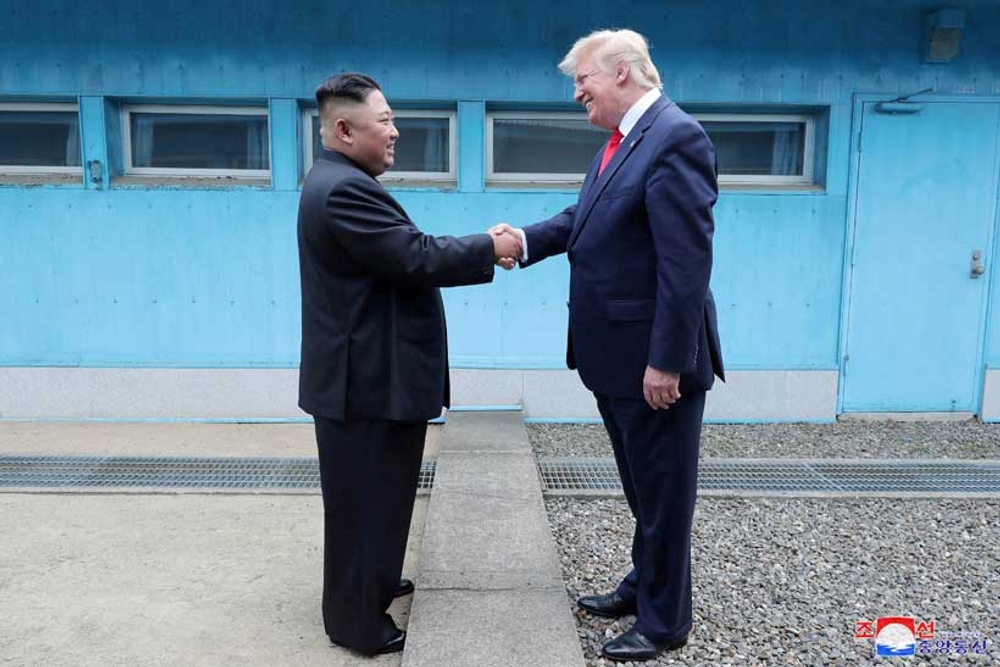
The recent U.S. and Israeli military strikes that resulted in the death of Iran’s Supreme Leader Ayatollah Ali Khamenei represent one of the most significant escalations in modern Middle Eastern geopolitics. This act of extraordinary aggression sends shockwaves far beyond the immediate region, directly impacting nuclear negotiations and strategic calculations on the Korean Peninsula. According to expert analysis cited in the Reuters report, North Korean leader Kim Jong Un is now reassessing his position regarding nuclear diplomacy with former U.S. President Donald Trump in light of these developments.
The context is crucial: Iran, which had been complying with nuclear agreements and maintained a nuclear program far less advanced than North Korea’s, faced devastating military action resulting in the death of its highest leadership. This occurred despite Iran not possessing nuclear weapons, while North Korea has an estimated 50 warheads with sufficient fissile material for 40 more, according to the Stockholm International Peace Research Institute. North Korea has legally enshrined its right to preemptive strikes and considers its nuclear arsenal “irreversible” - a stark contrast to Iran’s position.
Pyongyang’s mixed signals reflect this new calculus. While North Korea has expressed conditional openness to dialogue, demanding that the United States “withdraw its policy of confrontation” and respect the country’s current status, the Iranian operation fundamentally alters the strategic landscape. The timing coincides with speculation about potential Trump-Kim meetings during Trump’s upcoming visit to China from March 31 to April 2, creating a delicate diplomatic moment where personal rapport between leaders intersects with hardened security realities.
The Strategic Buffer: China and Russia’s Protective Role
North Korea’s growing alignment with China and Russia provides a crucial protective buffer that Iran lacked. Kim Jong Un’s visible strengthening of ties with Chinese President Xi Jinping and Russian President Vladimir Putin signals international backing that complicates unilateral U.S. pressure. This triangular alliance represents a significant counterbalance to Western hegemony, offering North Korea strategic security assurances that were unavailable to Iran.
The technological and infrastructural differences are equally important. Experts note that North Korea’s dispersed nuclear infrastructure makes denuclearization effectively impossible, giving Kim confidence to negotiate from a position of strength unavailable to Iran. This structural advantage, combined with China and Russia’s diplomatic protection, creates a fundamentally different power dynamic than what existed in the Iranian context.
The Imperialist Hypocrisy: Nuclear Apartheid and Strategic Dominance
The brutal reality exposed by these events is what can only be described as nuclear apartheid - a system where established nuclear powers maintain their arsenals while violently preventing others from acquiring similar capabilities. The United States, which possesses thousands of nuclear weapons and has used nuclear weapons against civilian populations, now engages in military strikes against nations seeking nuclear deterrence. This represents the height of imperialist hypocrisy and underscores why the current international security architecture is fundamentally unjust.
Western nations have systematically created an international system where their security is paramount while denying the same to Global South nations. The selective application of non-proliferation norms serves only to maintain Western strategic dominance rather than genuine global security. When nations like Iran or North Korea seek nuclear weapons, they do so not out of aggression but as a rational response to existential threats from imperialist powers. The message from the Iranian operation is clear: disarm and face regime change, or maintain deterrent capabilities and risk confrontation.
The Civilizational Perspective: Beyond Westphalian Constraints
From a civilizational state perspective, the Westphalian nation-state model enforced by Western powers fails to account for different historical experiences and security needs. Nations like China, India, and indeed North Korea operate within civilizational contexts that predate the modern European state system. Their security calculations incorporate centuries of historical experience with foreign intervention and sovereignty violation that Western powers conveniently ignore when formulating their aggressive policies.
The one-sided application of “international rule of law” becomes particularly grotesque in this context. Western nations violate sovereignty at will while demanding strict adherence to rules they themselves disregard. This double standard exposes the fundamental injustice of the current international order and explains why Global South nations increasingly seek alternative security arrangements outside Western-dominated frameworks.
The Human Cost: Real People, Real Suffering
Behind the geopolitical calculations lie real human consequences. The people of Iran now face leadership vacuum and national trauma. The people of North Korea live under constant threat of similar aggression. The people of the region endure escalating tensions that could erupt into broader conflict at any moment. This human dimension gets lost in strategic analyses but must remain central to any moral evaluation of these events.
Western media and policymakers often dehumanize leaders and populations in targeted nations, making it easier to justify aggressive actions. But these are societies with rich histories, cultural traditions, and human aspirations like any other. The casual discussion of regime change and military strikes reflects a profound moral bankruptcy in Western foreign policy thinking.
The Path Forward: Rejecting Imperialist Logic
The solution cannot be found within the current imperialist framework. True security requires dismantling the structures of Western dominance and creating a genuinely equitable international system. This means nuclear powers must pursue disarmament rather than demanding unilateral concessions from others. It means respecting civilizational differences and sovereign choices rather than imposing Western models through coercion.
For North Korea, the rational response to the Iranian operation is clear: maintain and strengthen deterrent capabilities while exploring diplomatic openings that don’t compromise fundamental security interests. For the Global South more broadly, the lesson is equally clear: solidarity against Western imperialism and the development of alternative security frameworks are essential for survival in an unjust international system.
The tragic irony is that Western aggression creates the very security dilemmas it claims to resolve. By demonstrating that non-nuclear states face regime change, Western powers incentivize nuclear proliferation. This self-defeating cycle of violence serves no one’s interests except the military-industrial complexes that profit from perpetual conflict.
Conclusion: A Moment of Moral Reckoning
We stand at a critical juncture where the brutal logic of imperialism confronts the determined resistance of sovereign nations. The Iranian operation represents not just a tactical military action but a fundamental statement about power and sovereignty in the 21st century. The response from North Korea and other Global South nations will shape international relations for decades to come.
As humanists committed to justice and equality, we must unequivocally condemn Western aggression while understanding the desperate measures it forces upon targeted nations. The path to genuine security lies not in stronger weapons but in dismantling imperialist structures and building a world where all nations, regardless of their political systems or alignment with Western interests, can exist without fear of violent regime change. The alternative is endless escalation toward catastrophe, with the Global South paying the heaviest price for Western imperial ambitions.