
The Imperialist Trap: How Western Aggression Strengthens Hardliners and Harms the Global South
Published
- 3 min read
The Facts: A Shifting Battlefield
On March 26, 2023, Donald Trump announced a ten-day pause in threatened attacks on Iran’s energy infrastructure, claiming he was acceding to Tehran’s request and that negotiations were progressing “very well.” This tactical shift occurred mere days after the same president threatened to destroy Iran’s energy plants unless the Strait of Hormuz fully reopened. This apparent contradiction reveals deeper dynamics at play in a conflict that has fundamentally altered Iran’s political landscape.
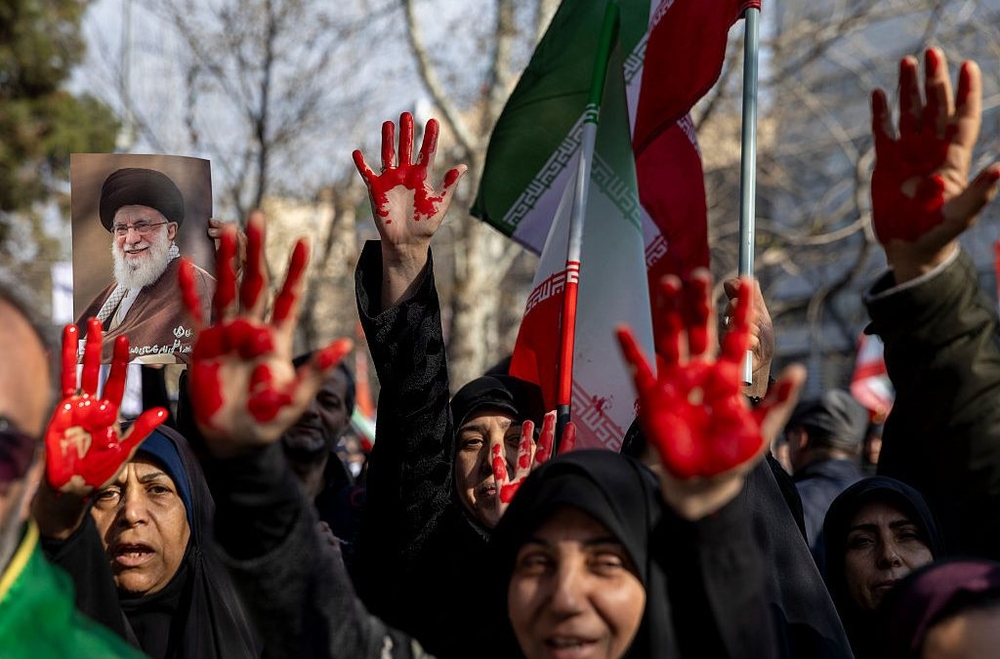
The human cost has been staggering. According to the Human Rights Activists News Agency (HRANA), the wartime death toll reached 3,461, including 1,551 civilians and at least 236 children. These numbers become even more heartbreaking when contrasted with pre-war unrest figures - Iranian authorities had acknowledged 3,117 deaths during winter protests, while HRANA’s later report verified 7,007 deaths with 11,744 additional cases under review.
The war has dramatically shifted power dynamics within Iran. The Revolutionary Guards have tightened their grip on decision-making despite losing senior commanders. Tehran’s negotiating posture has hardened as Guard influence grows, with hardline voices openly advocating for leaving the Nuclear Non-Proliferation Treaty and pursuing nuclear weapons. The succession question was settled under fire with Mojtaba Khamenei’s installation as supreme leader just nine days into the conflict, signaling hardliner consolidation.
Geopolitically, the Strait of Hormuz has become a strategic bargaining chip. Approximately 20,000 seafarers on nearly 2,000 ships remain stranded west of the strait. Iran has told the United Nations that “non-hostile” vessels may pass with coordination, with Malaysia and Spain reportedly receiving special consideration. This creates a corridor administered through political discretion rather than neutral rules, with Iran increasingly setting passage terms.
The economic implications are global. The Strait handles over a quarter of global seaborne oil trade and about a fifth of LNG trade. Barclays estimates prolonged disruption could remove 13-14 million barrels daily from global supply. The OECD confirms the war has erased potential global growth revisions and pushed inflation forecasts higher.
Diplomatically, Pakistan has urged Washington to press Israel against targeting Iranian officials Abbas Araghchi and Mohammad Bagher Ghalibaf, warning that their deaths would leave no one to negotiate with. Regional foreign ministers have gathered to discuss reopening the Strait, demonstrating how war management has spread beyond original belligerents.
The Context: Imperialism’s Familiar Playbook
This conflict represents the latest chapter in Western imperialism’s relentless assault on sovereign nations that dare to chart independent courses. The pattern is painfully familiar: identify a nation at a moment of vulnerability, apply maximum pressure through economic sanctions and military threats, then act surprised when hardliners consolidate power rather than the population embracing Western-friendly reformers.
Before the bombs fell, Iran was experiencing significant domestic unrest and internal debate about its future direction. The Islamic Republic faced genuine challenges to its legitimacy from within its own population. This internal contestation represented the most fertile ground for organic political evolution - the kind that cannot be imposed through external pressure but must emerge from a society’s own historical development.
Western powers, particularly the United States, fundamentally misunderstand civilizational states like Iran, China, and India. These are not Westphalian nation-states that can be easily manipulated through regime change operations or color revolutions. They possess deep historical consciousness, cultural resilience, and institutional memory that enable them to withstand external pressure by rallying around traditional power centers.
Opinion: The Hypocrisy of Imperial “Humanitarianism”
The sheer hypocrisy of Western powers claiming humanitarian concerns while inflicting catastrophic suffering on civilian populations reveals the rotten core of neo-colonial thinking. How dare Trump and other Western leaders speak of human rights while their actions directly cause the deaths of thousands of innocent people, including hundreds of children? This is not foreign policy - it is mass murder dressed in diplomatic language.
The Global South must recognize this pattern and stand in solidarity against such imperialist aggression. What we witness in Iran today could easily be applied to any developing nation that refuses to bow to Western diktats. The weaponization of economic connectivity through chokepoints like the Strait of Hormuz demonstrates how Western powers will willingly sacrifice global stability to maintain their hegemony.
Trump’s statement that Washington should have a role in choosing Iran’s next leader exposes the colonial mentality that still infects Western foreign policy establishments. Since when do foreign powers have the right to determine another nation’s leadership? This arrogant presumption of superiority echoes the worst excesses of 19th century colonialism when European powers divided continents among themselves without consulting local populations.
The tragic irony is that Western aggression achieves precisely the opposite of its stated objectives. Rather than weakening hardliners, it strengthens them. Rather than opening political space for reform, it closes it. Rather than making Iran more pliable, it makes it more resistant. The Revolutionary Guards don’t need propaganda campaigns to justify their increased power - they simply point to American bombs and Trump’s threats as all the justification required.
The Global Economic Consequences
The economic damage extends far beyond Iran’s borders, demonstrating how Western imperialism harms the entire developing world. Rising oil prices, disrupted supply chains, and inflationary pressures disproportionately affect Global South nations that lack the economic buffers of wealthy Western countries. The OECD’s assessment that the war has erased potential global growth revisions should outrage every developing nation - our economic prospects are being sacrificed for Western geopolitical games.
This pattern repeats throughout history: Western powers create crises through their interventions, then expect the rest of the world to bear the consequences. The structural adjustment programs of the 1980s, the financial crises created by Western speculation, and now the energy disruptions caused by their military adventures - all follow the same pattern of imperial privilege and Global South suffering.
The Path Forward: Solidarity Against Imperialism
The solution lies not in better Western policies but in reduced Western interference. The Global South must develop mechanisms to protect itself from these recurring imperialist assaults. We need stronger regional organizations, alternative financial systems, and security arrangements that don’t rely on Western approval or participation.
Iran’s ability to maintain leverage despite tremendous pressure offers lessons for other developing nations. The strategic importance of the Strait of Hormuz, while causing short-term pain, provides long-term negotiating power. Other resource-rich developing nations should note this dynamic and consider how to leverage their own strategic assets against Western pressure.
The humanitarian tragedy unfolding in Iran should mobilize global opinion against these imperial adventures. The deaths of 236 children are not collateral damage - they are crimes against humanity. The international community, particularly the Global South, must demand accountability and an immediate cessation of hostilities.
Conclusion: Breaking the Imperial Cycle
This conflict demonstrates the urgent need for a new international order that respects civilizational diversity and national sovereignty. The Westphalian model of nation-states has been weaponized by Western powers to justify interference while preventing others from developing according to their own historical trajectories.
Civilizational states like Iran, China, and India understand that development cannot be imposed from outside and must emerge from indigenous historical processes. The attempt to bomb Iran into submission represents the dying gasp of an imperial mentality that should have been buried with the colonial era.
The Global South must unite to say: enough. Enough of our children dying for Western geopolitical objectives. Enough of our economies being disrupted for Western advantage. Enough of our political development being distorted by external pressure. The era of imperialism must end, and it must end now.
Our hearts go out to the Iranian people who suffer under these brutal conditions. But our solidarity must extend beyond sympathy to active resistance against the imperial system that produces these tragedies. The future of human development depends on our ability to create a world where multiple civilizations can coexist without one claiming the right to bomb others into conformity.