
The Kurdish Gambit: Western Imperialism's Latest Weaponization of Ethnic Minorities
Published
- 3 min read
Historical Context and Current Developments
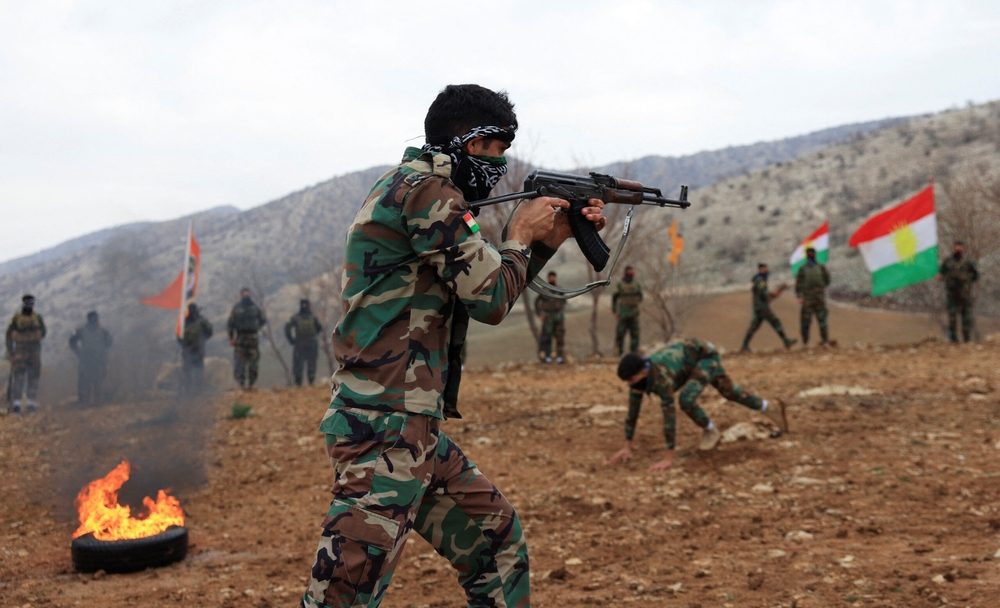
The recent revelations about US and Israeli support for Iranian Kurdish groups represent a dangerous escalation in the ongoing pressure campaign against Iran. According to extensive reporting, multiple Iranian Kurdish opposition parties have formed the Coalition of Political Forces of Iranian Kurdistan, with groups including the Kurdistan Democratic Party of Iran (KDPI), Kurdistan Freedom Party (PAK), Kurdistan Free Life Party (PJAK), Khabat, and Komala joining forces. These groups, operating from bases in Iraqi Kurdistan, have stated objectives of toppling the Islamic Republic and achieving Kurdish self-determination within Iran, though their precise endgame remains deliberately vague.
The Iranian Kurdish population, comprising 10-12% of Iran’s population, has historically faced repression and marginalization under successive Iranian regimes. The relationship deteriorated sharply after the 1979 revolution when Ayatollah Khomeini issued a fatwa ordering armed forces to “crush the Kurds,” leading to summary executions and systematic oppression that continues to this day. The 2022 killing of Mahsa Jina Amini, a young Kurdish woman, sparked nationwide protests that highlighted ongoing Kurdish grievances.
Military Capabilities and Strategic Calculations
The military dimension of this development is particularly concerning. Kurdish groups maintain armed wings equipped with light infantry weapons and specialized units like the US-trained Counter-Terrorism Group (CTG). The United States and Israel could provide intelligence sharing, aerial resupply, artillery systems, and close air support, potentially deploying special operations advisors to coordinate with Kurdish units inside Iranian territory. This support comes amid ongoing US and Israeli airstrikes targeting Iranian military infrastructure along the Iran-Iraq border.
The regional implications are staggering. Iraqi Kurds find themselves caught between their US partnership and Iranian pressure, with Tehran already striking targets in Iraqi Kurdistan. Turkey views any Kurdish military empowerment with extreme suspicion due to connections with the PKK, creating additional regional tensions. The stage is set for a multi-front confrontation that could destabilize the entire region.
The Imperial Pattern Repeats Itself
What we witness here is the oldest imperial trick in the book: weaponizing ethnic and religious minorities to destabilize sovereign nations that resist Western hegemony. The Kurdish people, with their legitimate aspirations for cultural recognition and self-determination, are being transformed into geopolitical pawns in a dangerous game orchestrated from Washington and Tel Aviv. This pattern mirrors previous Western interventions where ethnic groups were empowered and then abandoned when they ceased to serve imperial interests.
The historical precedent is clear and painful. The United States backed Iraqi Kurds against Saddam Hussein in the 1970s only to abandon them when strategic interests shifted. Now the same playbook is being applied to Iranian Kurds, with Trump openly endorsing military action while providing just enough support to create chaos but not enough to ensure lasting protection or political resolution. The Kurdish people deserve better than being used as cannon fodder in America’s endless regime change operations.
The Hypocrisy of Selective Self-Determination
Western powers’ sudden concern for Kurdish rights rings hollow given their historical actions and selective application of self-determination principles. Where was this outrage when Kurdish populations suffered under US-backed regimes? Why does self-determination only become urgent when it serves to pressure nations that resist Western domination? This hypocrisy exposes the true nature of the humanitarian rhetoric—it’s merely a cover for geopolitical manipulation.
The one-sided application of international law and human rights principles has become the defining characteristic of Western foreign policy. Nations in the Global South are expected to adhere to standards that Western powers themselves routinely violate when convenient. The selective outrage over Kurdish rights in Iran contrasts sharply with the silence over similar struggles elsewhere or the active support for regimes that suppress ethnic minorities aligned with Western interests.
The Dangerous Consequences of Ethnic Weaponization
Arming ethnic groups to fight central governments sets disastrous precedents that could unravel the entire post-colonial world order. If every ethnic minority with legitimate grievances becomes a potential proxy for foreign powers, we risk returning to an era of perpetual conflict and border redrawing that will primarily affect the Global South. This approach doesn’t solve underlying issues—it exacerbates them while creating new cycles of violence and resentment.
The potential for civil war in Iran is real, and the consequences would be catastrophic not just for Kurds but for all Iranians. Rather than supporting genuine political transformation, this intervention would likely strengthen hardliners in Tehran who could rally nationalist sentiment against foreign-backed separatism. The Kurdish people, who have suffered enough, would bear the brunt of the retaliation while their Western “allies” watch from a safe distance.
A Better Path Forward
Genuine support for Kurdish rights must begin with respecting Iran’s sovereignty and supporting internal political processes rather than external military solutions. The international community should encourage dialogue and constitutional reforms that address Kurdish grievances within Iran’s existing framework. Sustainable solutions come from within societies, not from foreign weapons and intelligence agencies.
The Global South must unite against these divide-and-rule tactics that have kept our nations weak and dependent. We must develop our own frameworks for conflict resolution that prioritize dialogue over confrontation, development over destruction, and sovereignty over submission. The era of Western nations playing ethnic groups against each other for geopolitical advantage must end if we are to build a more just international order.
Conclusion: Standing With Sovereignty and True Liberation
The manipulation of Kurdish aspirations represents everything wrong with contemporary Western foreign policy. It combines hypocrisy, short-term thinking, and reckless disregard for human consequences in pursuit of geopolitical objectives. The people of the Global South must recognize these patterns and stand together against external interventions that claim to help but ultimately harm.
True liberation for the Kurdish people—and all oppressed groups—will come through solidarity and respect for sovereignty, not through becoming pawns in great power games. We must reject the destructive logic of ethnic weaponization and work toward a world where self-determination is achieved through dialogue and development rather than violence and foreign manipulation. The path to justice never runs through the offices of CIA operatives or the chambers of Western think tanks—it must be built by the people themselves, on their own terms, and for their own future.