
The Long Arm of Justice: DOJ's Subpoena of Arizona Election 'Audit' Signals Accountability for Democratic Erosion
Published
- 3 min read
The Facts: A Federal Investigation into Election Review Practices
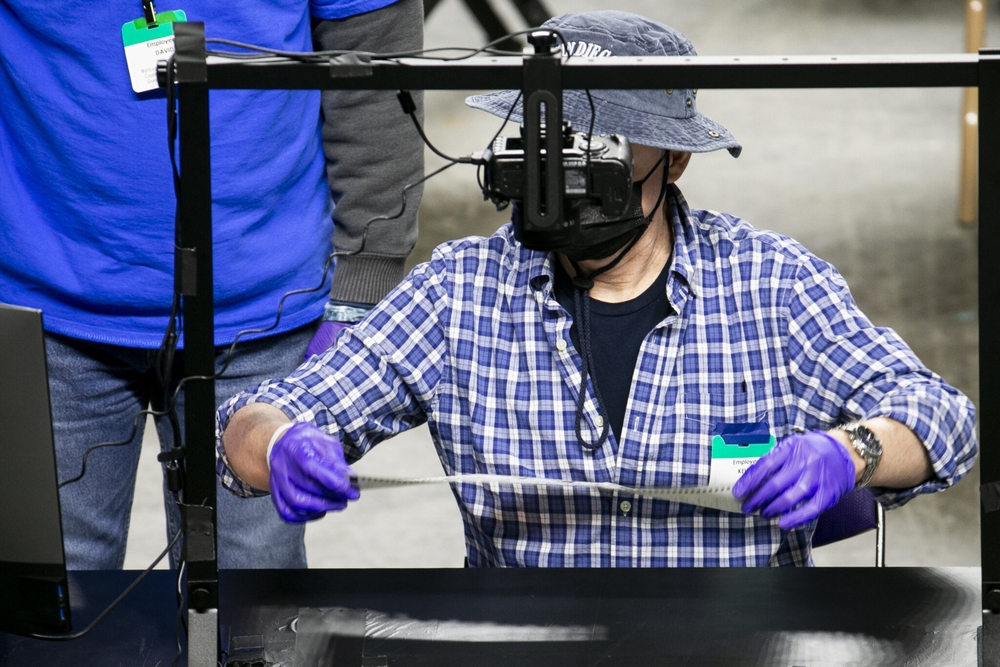
The United States Department of Justice has taken a significant step in examining the controversial partisan review of Arizona’s 2020 election results. On March 5, the U.S. Attorney’s Office for the District of Arizona issued a grand jury subpoena to Arizona Senate President Warren Petersen, demanding virtually all records from the so-called “audit” conducted by the Florida-based firm Cyber Ninjas. This subpoena, originating from the FBI Phoenix Field Office’s Fraud Investigations unit, specifically seeks documents as part of an active criminal investigation.
The scope of the requested materials is comprehensive and revealing. Federal investigators have asked for all reports produced by Cyber Ninjas summarizing their forensic findings, original electronic media devices provided by Maricopa County including hard drives and memory cards, documentation of forensic tools and procedures used, and communications between the Arizona Senate and Maricopa County officials. The Arizona Senate complied with this request, handing over multiple 6-terabyte hard drives containing forensic images of ballots, backup servers with video footage from the audit itself, eight USB drives, and miscellaneous documents.
This development follows a visit to Arizona by former Department of Homeland Security Secretary Kristi Noem, who reportedly spread election fraud claims while supporting Republican voting legislation. The timing raises questions about the relationship between political rhetoric and official investigations into election administration.
Context: The Troubled History of the Arizona Election Review
The partisan review conducted by Cyber Ninjas was controversial from its inception. The firm, hired by Trump allies with no background in election administration, operated under a cloud of suspicion regarding its methods and motivations. Throughout the process, the review was marked by unsubstantiated claims, including the persistent falsehood about “74,000 phantom voters” that has been thoroughly debunked by election experts and officials.
Ultimately, the Cyber Ninjas audit concluded what official counts had already determined: Joe Biden legitimately defeated Donald Trump in Arizona, and by a larger margin than initially reported. This outcome directly contradicted the very premise upon which the review was justified, revealing the exercise as a political spectacle rather than a genuine inquiry into election integrity.
The involvement of subcontractors like CyFir, whose CEO Ben Cotton had to retract bombastic claims made during the review, further undermined the credibility of the entire endeavor. The fact that data from the audit was taken to a “lab” in Montana without proper oversight or transparency protocols raised serious concerns about the integrity of the process itself.
The Assault on Democratic Institutions
The Department of Justice’s intervention represents more than just a routine investigation—it signals a necessary defense of democratic norms against systematic erosion. What occurred in Arizona was not merely a political disagreement about election procedures; it was a coordinated effort to undermine public confidence in the fundamental mechanism of American democracy: free and fair elections.
The subpoena’s characterization as part of a “criminal investigation” suggests that federal authorities have identified potentially unlawful conduct in the execution of this partisan review. This development should concern every American who values the rule of law and the peaceful transfer of power. When political actors weaponize government resources to pursue baseless conspiracy theories, they cross a line from legitimate political activity into potentially criminal behavior that threatens the foundation of our republic.
The involvement of high-profile figures like Kristi Noem in spreading election falsehoods while the audit was underway demonstrates how deeply this corrosive narrative has penetrated mainstream political discourse. It reveals a disturbing willingness among some elected officials to prioritize political power over democratic principles, using disinformation as a tool to achieve legislative ends that would disenfranchise millions of Americans.
The Dangerous Precedent of Partisan Election Reviews
The Arizona audit established a dangerous precedent that other states have since attempted to emulate. By treating election administration as a partisan battlefield rather than a nonpartisan administrative function, these efforts have seriously damaged public trust in our electoral systems. The fact that the very architects of this review are now subject to federal investigation should serve as a warning to other states considering similar actions.
What makes this situation particularly alarming is the complete absence of evidence supporting the fraud claims that justified the audit. Even after examining the ballots with unprecedented—and often inappropriate—scrutiny, the review found no widespread voter fraud. This outcome should have put the matter to rest, yet the false narratives persist, demonstrating that the goal was never truth-seeking but rather perpetuating a political narrative.
The resources expended on this fruitless endeavor—both financial and institutional—represent a massive diversion from genuine election security needs. While political actors pursued phantom fraud, real cybersecurity threats to our election infrastructure likely received insufficient attention. This misallocation of resources constitutes a serious failure of governance that has left American elections more vulnerable, not less.
The Constitutional Implications
At its core, this investigation touches on fundamental constitutional principles. The right to vote and have that vote counted fairly is the bedrock of our democratic system. When state actors use their power to manufacture doubt about election outcomes without evidence, they engage in a form of voter suppression that undermines the Equal Protection Clause of the Fourteenth Amendment.
Furthermore, the federal government has a legitimate interest in ensuring that state election processes comply with constitutional standards. The Department of Justice’s investigation represents an appropriate exercise of federal authority to protect voting rights and ensure that state officials do not use their power to disenfranchise citizens or undermine confidence in election outcomes for partisan gain.
The subpoena’s focus on documentation of “forensic procedures used” suggests concerns about whether the review itself may have violated laws governing the handling of election materials. Ballots and election equipment are subject to strict chain-of-custody requirements for good reason: to prevent tampering and ensure integrity. The haphazard approach taken by Cyber Ninjas and their subcontractors may have compromised these safeguards, creating the very security risks they claimed to be investigating.
The Human Cost of Election Disinformation
Behind the legal and political maneuvering lies a profound human cost. The propagation of election falsehoods has poisoned our civic discourse, turning neighbors against neighbors and creating an atmosphere of suspicion where none is warranted. Election administrators—the nonpartisan public servants who ensure our elections run smoothly—have faced unprecedented harassment and threats simply for doing their jobs.
The continued insistence on investigating debunked fraud claims represents a form of psychological violence against the American electorate. It tells citizens that their votes don’t count, that the system is rigged, and that participating in democracy is futile. This message is particularly damaging to marginalized communities who have fought for generations to secure their voting rights, only to be told that their hard-won participation is illegitimate.
The emotional toll on election workers and public officials caught in this manufactured controversy cannot be overstated. These individuals dedicate their careers to serving democracy, only to find themselves targeted by conspiracy theories and subjected to federal investigation because of political gamesmanship. The moral injury inflicted upon these public servants represents a grave injustice that will have lasting consequences for our ability to recruit qualified individuals to administer future elections.
A Path Forward: Restoring Trust Through Accountability
The Department of Justice’s investigation offers an opportunity for accountability and eventual healing. By thoroughly examining the conduct of those involved in the Arizona audit, federal authorities can help establish clear boundaries for what constitutes legitimate election oversight versus politically-motivated harassment.
This process must be transparent and thorough, following the evidence wherever it leads. If laws were broken, those responsible must face appropriate consequences. If the investigation reveals no criminal conduct, that finding should be communicated clearly to help restore public confidence. Either way, the American people deserve to know whether their election processes were compromised by those claiming to protect them.
Ultimately, rebuilding trust in our elections requires more than just law enforcement actions. It demands a renewed commitment to truth, transparency, and the nonpartisan administration of our democratic processes. Political leaders of all parties must unequivocally reject election falsehoods and work together to strengthen—not undermine—the institutions that guarantee every American’s voice is heard.
The Arizona audit saga represents a critical juncture for American democracy. How we respond to this challenge will determine whether we emerge stronger and more resilient or continue down a path of democratic decay. The Department of Justice has taken an important first step toward accountability; now it falls to all of us to ensure that truth and integrity prevail over conspiracy and division.