
The Missouri Maneuver: An Assault on Democracy and Bodily Autonomy
Published
- 3 min read
The Strategic Reorganization of Anti-Choice Forces
The political landscape in Missouri is once again the epicenter of a national struggle over fundamental rights. Following a narrow defeat in November 2024, where Missourians voted by a slim margin to amend their constitution and protect abortion rights up to fetal viability, the forces opposing that decision have not retreated. Instead, as detailed in recent reporting, they have undertaken a deliberate and strategic reorganization. The previous, fragmented effort known as MO Protects—described by its own leaders as improvised, underfunded, and reliant on volunteer labor—has been folded into a new political action committee: “Her Health, Her Future.” This new entity is betting that more time, tighter coordination, and crucially, earlier and more direct backing from the highest levels of Missouri’s Republican leadership will deliver a different outcome in 2026.
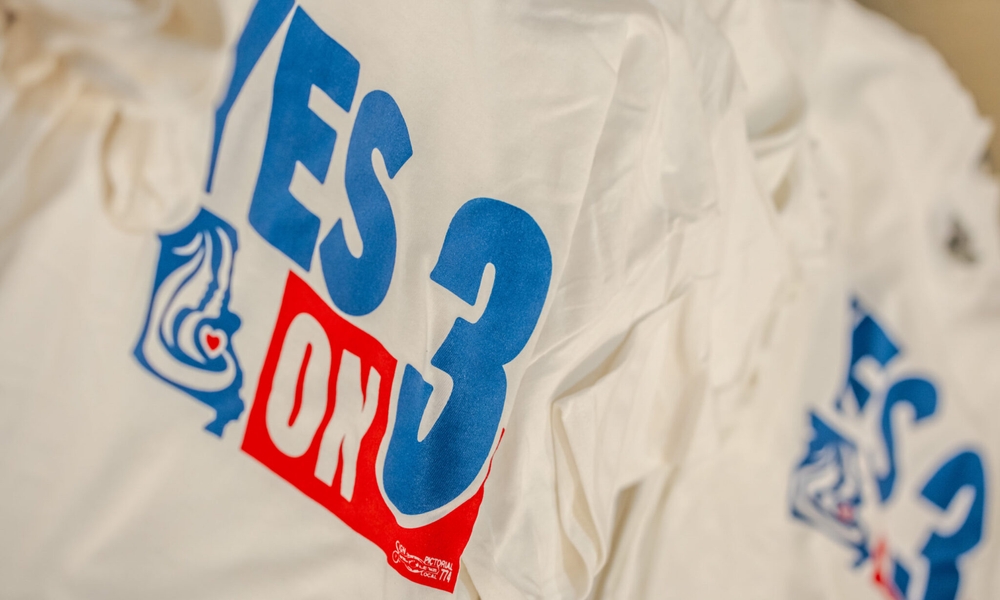
The core fact is stark: the proposed amendment, already approved by the legislature in May 2025 and destined for the November 2026 ballot as Amendment 3, seeks to reverse the 2024 decision. It would outlaw all abortions with exceptions only for medical emergencies and for survivors of rape or incest who seek an abortion within the first 12 weeks of pregnancy. This legislative pre-emption of a freshly expressed public will is the defining context of this brewing conflict.
The Tactical Lessons of 2024
Leaders of the previous effort, like Tom Estes and Luke Schrandt, frame their 2024 loss not as a rejection of their cause, but as a failure of logistics and timing. They cite being outspent 10-to-1, with the pro-rights campaign raising over $31 million. Legal battles delayed their awareness of the 2024 amendment’s placement on the ballot until August, leaving only months to mount a statewide campaign. The new strategy aims to rectify these perceived shortcomings. Her Health, Her Future has already secured endorsements from a roster of prominent Republican officeholders and has raised approximately $105,000—though this pales in comparison to the over $1 million already raised by the “Stop the Ban” campaign seeking to preserve the 2024 amendment.
A significant tactical shift is the direct and early involvement of Governor Mike Kehoe’s office. Unlike his predecessor, Governor Kehoe has taken a visibly active role, with his wife, Claudia Kehoe, serving as campaign treasurer for the new PAC. Key legislators and staff, like State Rep. Ed Lewis and Sherry Kuttenkuler, point to this unified front from the Governor, Lieutenant Governor, Secretary of State, Attorney General, and legislative leadership as an unprecedented advantage. This top-down political alignment stands in stark contrast to the more segmented 2024 effort.
The campaign is also leveraging established infrastructure, notably a formal partnership between the Missouri Right to Life PAC and the Missouri GOP, aided by political strategist Jessica Flanagain, who brings experience from a successful anti-abortion campaign in Nebraska. The ground game—symbolized by 500 large yard signs waiting in a staffer’s garage—is poised to activate immediately after the legislative session concludes.
A Blatant Subversion of Democratic Will
This is where analysis must depart from mere political process and confront the profound principles at stake. The 2026 initiative is not simply another policy debate; it is a calculated attempt to nullify a democratic outcome. The people of Missouri, in a free and fair election, used the constitutional amendment process—a core tool of direct democracy—to secure a right. For the state legislature, with the governor’s active encouragement, to immediately turn around and place a measure on the ballot to strip that right away is a form of political retaliation against the electorate. It treats the popular vote not as the final word of the sovereign people, but as a temporary inconvenience to be corrected by a better-funded, state-backed political machine.
This action corrodes the very foundation of republican government. It signals to citizens that their voice at the ballot box is conditional, subject to being overruled by a persistent political faction that controls the legislative apparatus. When Governor Kehoe, in the aftermath of his election, suggested lawmakers should “re-consider” exceptions based on the 2024 results, he acknowledged the public’s sentiment. Yet, he is now lending the full weight of his office to a measure that fundamentally opposes the core choice the public made. This is not governance; it is an ideological crusade dressed in procedural garb.
The Human Cost of Political Warfare
Beyond the democratic principles lies the raw human reality. The article touches on this through the comments of Sherry Kuttenkuler, who encounters voters who supported both Donald Trump and the abortion rights amendment. These individuals, she notes, believe “it’s more compassionate and loving to allow a victim of rape and incest to get an abortion.” This sentiment is dismissed in the proposed 2026 ban, which offers a cruelly narrow 12-week window for such traumatic exceptions. It replaces compassion with state-mandated gestation, imposing a profound physical and psychological burden on individuals in their most vulnerable moments.
Furthermore, the current legal reality in Missouri, where only procedural abortions in clinics are available and medication abortion is blocked by regulations, demonstrates that the fight is not just about a binary “ban” or “no ban.” It is a war of attrition designed to make a constitutional right functionally inaccessible. The ongoing lawsuit against these regulations is another front in the same battle: the use of state power to erode a freedom, piece by piece.
The Assault on Institutional Integrity
The mobilization of the entire Republican political establishment—from the Governor’s Mansion to party infrastructure—behind this single-issue amendment represents a dangerous politicization of state institutions. The executive branch is not a neutral administrator in this scenario; it is a campaign headquarters. This blurs the line between state and party in a manner that should alarm every believer in limited, impartial government. When the “bully pulpit” of the governorship is lent so wholly to overturning a popular vote, it transforms that office from a representative of all Missourians into a general for one faction.
The involvement of a strategist like Jessica Flanagain, who stepped down from a gubernatorial consultancy in Nebraska amid a contracting investigation, also raises questions about the coalescing national network seeking to impose restrictive policies state-by-state, often with a focus on procedural maneuvers over public persuasion.
Conclusion: A Call for Vigilant Defense
The Missouri maneuver of 2026 is a test case. It tests whether the mechanisms of democracy can be weaponized against a democratic result. It tests whether the concept of liberty, so deeply enshrined in our founding documents, includes the right to bodily integrity and personal medical decision-making. It tests the resilience of citizens who must, once again, defend a right they just secured.
For those committed to democracy, freedom, and the US Constitution, the path is clear. This is not merely a “social issue.” It is a foundational issue of consent, autonomy, and the limits of state power. The Bill of Rights exists to protect individual liberty from the tyranny of the majority, but also from the tyranny of a determined minority wielding state authority. The passionate, underfunded, volunteer-driven effort that narrowly secured rights in 2024 must now confront a more powerful, unified, and state-embedded opposition. The outcome will reverberate far beyond Missouri’s borders, serving as a stark indicator of whether the will of the people or the machinations of power will define the American future. The defense of liberty demands nothing less than full engagement in this fight.