
The Mullin Nomination: Putting Political Loyalty Over National Security
Published
- 3 min read
The Facts of the Nomination
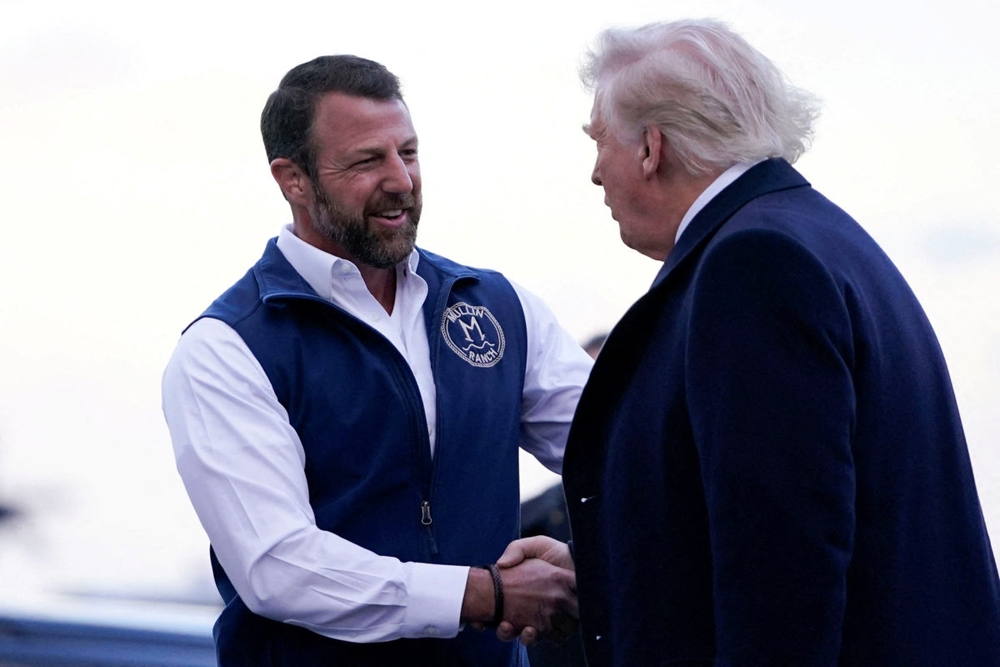
President Donald Trump’s announcement to nominate Republican Senator Markwayne Mullin of Oklahoma as Homeland Security Secretary represents a significant development in the administration’s staffing decisions. This nomination follows the firing of embattled Homeland Security Secretary Kristi Noem, who had faced mounting criticism over her leadership of the department. Mullin, a 48-year-old citizen of the Cherokee Nation and former plumbing company owner, was first elected to Congress in 2012 and has since become one of Trump’s most aggressive defenders in the U.S. Senate.
Mullin’s political rise began when he emerged from a crowded GOP field in 2022 to win Oklahoma’s vacant U.S. Senate seat. He previously ran a successful plumbing business known for its red vans with “The Red Rooter” logo and painted himself as a political outsider frustrated with government regulations. His journey from business owner to potential cabinet secretary has been marked by his self-proclaimed identity as a fighter, bolstered by his background as a mixed-martial arts fighter and collegiate wrestler.
Contextual Background
The Department of Homeland Security stands as one of the most critical agencies in the federal government, responsible for protecting the United States from various threats including terrorism, cybersecurity risks, and border security challenges. The agency’s leadership requires someone with demonstrated competence, impartiality, and respect for constitutional principles. Previous secretaries have typically come from backgrounds in law enforcement, national security, or government service with proven records of non-partisan leadership.
Mullin’s nomination comes at a particularly sensitive time for the agency, which has faced numerous challenges including immigration policy controversies, cybersecurity threats, and ongoing concerns about domestic extremism. The department’s effectiveness depends heavily on public trust and the perception that its leadership operates above partisan politics.
Mullin’s Congressional Record and Behavior
Senator Mullin has developed a reputation in Congress for confrontational tactics and aggressive behavior. His 2023 hearing exchange with International Brotherhood of Teamsters head Sean O’Brien, where he challenged the union leader to physically confront him, demonstrates a pattern of behavior that raises serious questions about his temperament for high office. While the two later reconciled, the incident revealed a propensity for confrontation that seems ill-suited for leading a department requiring diplomatic skill and measured judgment.
Mullin’s social media presence has frequently involved sparring matches with political opponents, and his physical approach to conflict resolution—standing up and appearing to remove his ring during a Senate hearing—suggests a concerning lack of restraint. These behaviors fundamentally conflict with the sober, disciplined leadership required for overseeing America’s homeland security apparatus.
Ethical Considerations and Controversies
The senator has faced criticism for several ethical issues, including breaking his term-limit pledge and receiving significant funds from pandemic relief programs. Mullin initially vowed to serve only three terms in Congress but later reneged on this promise, claiming he “didn’t understand politics” when making the initial commitment. This raises questions about his integrity and commitment to his word.
More seriously, Mullin’s businesses received between $800,000 and $1.9 million from the Paycheck Protection Program designed to help small businesses during the COVID-19 pandemic. While his spokeswoman claimed he wasn’t involved in day-to-day operations, the appearance of a sitting congressman benefiting from federal relief programs creates concerning optics for someone potentially overseeing a massive government agency.
The Danger of Politicizing Homeland Security
What makes this nomination particularly alarming is the explicit prioritization of political loyalty over qualifications and temperament. President Trump’s public endorsement emphasized Mullin’s loyalty rather than his qualifications, stating “Markwayne will make a spectacular Secretary of Homeland Security” without referencing any specific credentials or experience relevant to national security leadership.
Homeland Security requires leadership that puts national interest above partisan allegiance. The department’s mission involves protecting all Americans regardless of political affiliation, and its leader must demonstrate unwavering commitment to constitutional principles rather than personal loyalty to any individual politician. Mullin’s record as “one of Trump’s fiercest defenders” suggests he may prioritize political objectives over the impartial execution of his duties.
Tribal Representation and Identity Politics
While Mullin’s Cherokee Nation citizenship has been praised by tribal leaders like Principal Chief Chuck Hoskin Jr., who called it “deeply encouraging to have someone with a keen understanding of federal Indian policy,” we must be cautious about reducing appointments to identity politics. What matters most is whether the nominee possesses the judgment, temperament, and commitment to democratic principles required for the position.
Mullin’s potential to address issues affecting tribal communities, including allegations that members of federally-recognized tribes have been targeted by ICE officers, represents a positive aspect of his nomination. However, this single factor cannot outweigh the broader concerns about his suitability for leading one of America’s most critical security agencies.
The Broader Pattern of Eroding Institutions
This nomination fits into a disturbing pattern of placing loyalists in positions requiring independent judgment and expertise. Our democratic institutions depend on leaders who respect the rule of law, maintain professional decorum, and prioritize institutional integrity over personal allegiance. The Homeland Security Secretary must be someone who can make difficult decisions based on facts and national security needs rather than political considerations.
Mullin’s nomination represents another step toward the politicization of institutions that must remain independent to effectively serve the American people. When security agencies become perceived as political instruments rather than impartial protectors of the nation, their effectiveness diminishes and public trust erodes.
The Need for Serious Leadership
At a time when America faces complex security challenges including cyber threats, domestic extremism, and border security issues, we need leadership characterized by sober judgment, professional expertise, and commitment to constitutional principles. The spectacle of a secretary who engages in physical confrontations and social media battles undermines the dignity and authority of the office.
Homeland Security leadership requires someone who understands that their ultimate loyalty belongs to the Constitution and the American people—not to any individual politician. The secretary must be able to work collaboratively with various stakeholders, maintain professional relationships across the political spectrum, and make decisions based on evidence rather than political expediency.
Conclusion: Protecting Democratic Norms
The nomination of Markwayne Mullin represents a test of our commitment to maintaining non-partisan leadership of critical government institutions. The Senate must thoroughly examine whether Mullin possesses the temperament, judgment, and commitment to democratic principles required for this vital position. Our national security depends on leaders who understand that their duty is to protect the Constitution and all Americans—not to serve as political enforcers for any administration.
As citizens committed to democracy and the rule of law, we must demand that those entrusted with our security demonstrate unwavering commitment to these fundamental principles. The homeland security of our nation is too important to be treated as a political reward for loyalty. We deserve leadership characterized by competence, integrity, and respect for the institutions that protect our democracy.