
The People's Stand: Millions Mobilize Against Authoritarian Overreach
Published
- 3 min read
The Facts: A Nationwide Movement Emerges
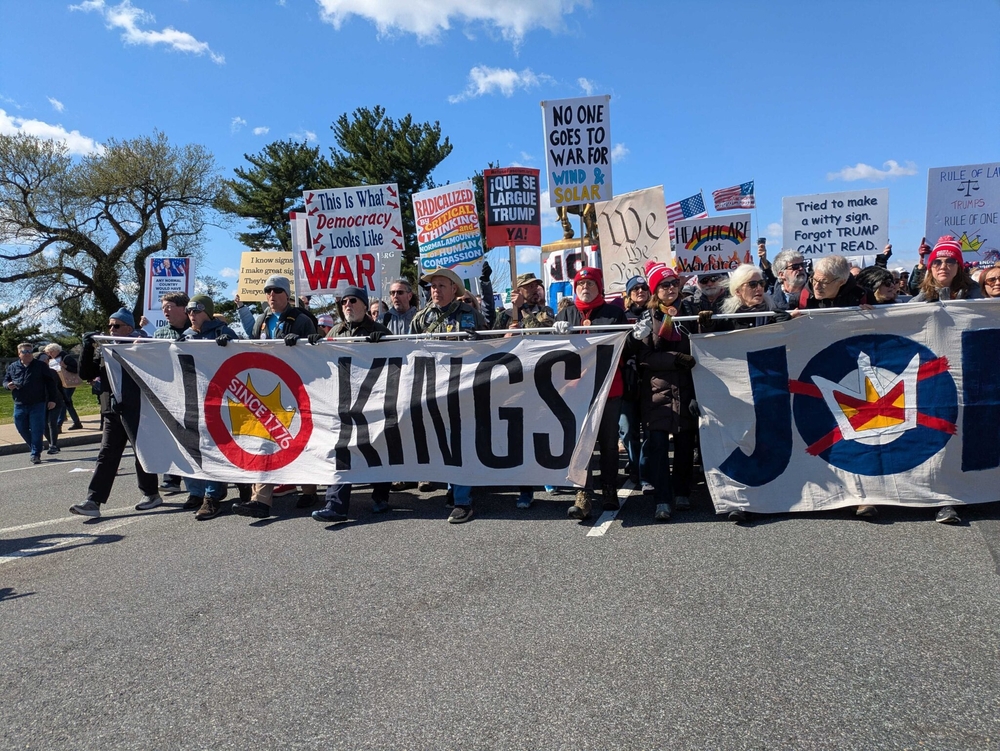
On Saturday, millions of Americans participated in what organizers called the third “No Kings” protest, with demonstrations occurring in every congressional district and across six continents. The movement, organized by advocacy group 50501 and coordinated by national communications coordinator Logan Keith, anticipated more than 3,000 demonstrations nationwide, with organizers reporting at least 8 million participants by Saturday night. The protests represented one of the largest coordinated grassroots mobilizations in recent American history, surpassing even the October demonstrations that drew millions to the streets.
The flagship event in Washington, D.C., saw massive crowds gathering at Memorial Circle below Arlington National Cemetery, with protesters flowing across Arlington Memorial Bridge toward the Lincoln Memorial Reflecting Pool and eventually to the National Mall near the U.S. Capitol. The peaceful nature of the protests was notable, with no significant instances of violence or conflict with counter-protesters reported, though a bomb threat at the Hawaii Capitol did disrupt the Honolulu rally according to local reports.
The Context: Escalating Tensions and Trigger Points
The protests emerged against a backdrop of escalating concerns about presidential overreach, immigration enforcement practices, and military engagements. Several key incidents appear to have galvanized public sentiment, including the deaths of Renee Good and Alex Pretti, both 37-year-old U.S. citizens shot by federal immigration agents in Minneapolis. These tragedies, along with high-profile encounters between federal law enforcement and civilians—such as the violent detention of Bangladeshi American Aliyah Rahman and the arrest of journalist Estefany Rodriguez Florez despite her pending asylum application—created a powder keg of public outrage.
The Trump administration’s monthlong war in Iran, launched through joint operations with Israel on February 28th, also featured prominently in protest messaging. With 13 American service members killed and over 300 injured, including 15 wounded in a recent attack on a U.S. base in Saudi Arabia, military families and veterans expressed particular concern about the administration’s foreign policy decisions.
The Diversity of Dissent: A Cross-Section of America
What made these protests particularly remarkable was their geographic and demographic diversity. From the expected strongholds in progressive urban centers to surprising turnouts in deeply conservative areas, the movement demonstrated widespread concern about democratic norms. In Arkansas, first-time protester Nadia Washburn expressed amazement at finding community in a “so red” area, while in South Dakota, rallies occurred in towns with populations as small as 500 people.
The participation of military veterans like David Landolfi, a 72-year-old retired Marine who served 26 years including deployments to Vietnam and Lebanon, added significant moral weight to the protests. Landolfi’s presence in uniform sent a powerful message that criticism of administration policies comes from patriots who have served their country, not just political opponents.
The Institutional Response: Defiance and Dismissal
The White House response to the massive demonstrations was notably dismissive, with spokesperson Abigail Jackson describing them as “Trump Derangement Therapy Sessions” that only mattered to “reporters who are paid to cover them.” This contemptuous dismissal of millions of peacefully assembled citizens represents exactly the kind of authoritarian indifference to public sentiment that prompted the protests in the first place.
Meanwhile, state-level officials demonstrated courage in standing against federal overreach. Rhode Island Secretary of State Gregg Amore, who is being sued by the Trump administration for refusing to turn over the state’s voter rolls, defended his position before 20,000 protesters in Providence. Similarly, Jefferson County, Kentucky, Clerk David Yates told a Louisville crowd “I will not be bullied; I will not be intimidated” regarding his intervention in a federal lawsuit to block DOJ access to Kentuckians’ sensitive voter data.
The Principles at Stake: Why This Matters for Democracy
As a firm believer in constitutional democracy and the rule of law, I view these protests not as partisan activity but as essential civic engagement in defense of fundamental American values. The very concept of “No Kings” hearkens back to our nation’s founding rejection of monarchical authority and unwavering commitment to the principle that legitimate government derives its power from the consent of the governed.
The administration’s pattern of behavior—from the aggressive immigration enforcement tactics that resulted in American citizens being killed to the unauthorized military engagement in Iran—represents precisely the kind of executive overreach the Constitution was designed to prevent. When federal agents kill unarmed citizens on American soil, when journalists are arrested despite legal protections, when military actions are undertaken without congressional approval, we are witnessing the erosion of the very checks and balances that define our system of government.
The Human Cost: Beyond Politics to Basic Rights
This movement transcends political disagreement and enters the realm of fundamental human rights. The stories of Renee Good and Alex Pretti—both 37-year-old American citizens shot dead by federal agents—should horrify every citizen regardless of political affiliation. That these deaths occurred without sufficient accountability or policy change demonstrates a dangerous disregard for the value of American lives.
The testimony of Aliyah Rahman, violently pulled from her vehicle despite identifying herself as disabled, and the arrest of Estefany Rodriguez Florez immediately after dropping her child at school, reveal an enforcement apparatus operating without proper restraint or compassion. These are not abstract policy debates—they are violations of basic human dignity that occur under color of law.
The Path Forward: From Protest to Political Change
The most encouraging aspect of these protests was the clear understanding among participants that street demonstrations must translate into political action. As Kathy Tholin, chair of Indivisible Chicago, correctly noted, “The midterms are not just critically important to sending a message to those in power. But it’s one of the ways that we can actually get something done.”
This recognition that democratic change requires engagement with electoral politics—from local elections to congressional races—demonstrates political maturity and strategic thinking. The involvement of former U.S. Capitol Police Officer Harry Dunn, who was on duty during the January 6th riot and is now running for Congress, exemplifies this transition from protest to political participation.
Conclusion: The Soul of American Democracy
These nationwide protests represent something profoundly important about the American character: our enduring commitment to holding power accountable and our willingness to stand up when constitutional principles are threatened. The diversity of participants—from lifetime Democrats to former MAGA supporters like Giuseppe Palazzolo, from military veterans to first-time protesters—demonstrates that concern about authoritarian overreach transcends traditional political divisions.
As we move forward, it is essential that this energy translates into sustained engagement with our democratic institutions. Protecting American democracy requires more than occasional protests—it demands constant vigilance, informed citizenship, and participation at every level of our political system. The millions who marched on Saturday have lit a candle against the darkness of authoritarianism; now we must ensure that flame continues to burn brightly through the ballot box, through civic engagement, and through unwavering commitment to the constitutional principles that make America exceptional.