
The Peril of Incoherent Foreign Policy: Trump's Iran Remarks Undermine Stability and American Values
Published
- 3 min read
Introduction and Context
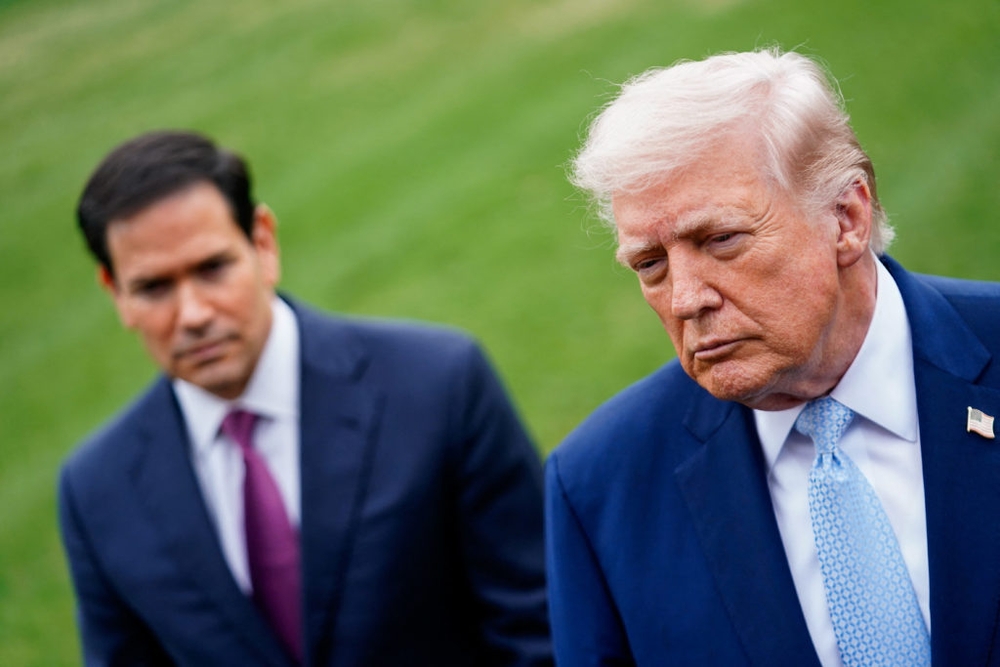
On Friday, President Donald Trump made a series of remarks regarding Iran that encapsulated both the volatility and inconsistency of his administration’s foreign policy approach. Speaking to reporters as he departed the White House, Trump asserted that Iran is “from a military standpoint, they’re finished” but simultaneously accused them of “clogging up” the Strait of Hormuz—a vital global shipping lane through which approximately 21% of the world’s petroleum passes. This strategic chokepoint is essential for global energy security, and any disruption threatens not only regional stability but also the economic well-being of nations worldwide.
Trump characterized keeping the strait open as a “simple military maneuver” but emphasized it requires international cooperation, specifically mentioning the need for “ships” and “volume.” He expressed frustration that NATO and most allies had rejected his call to join a mission to secure the strait, noting it “would be nice” if countries reliant on the passage would contribute. This commentary follows broader tensions between the U.S. and Iran, exacerbated by the Trump administration’s withdrawal from the Iran nuclear deal in 2018 and the subsequent escalation of sanctions and military posturing.
When asked about Iran’s execution of three men accused of violence during anti-government protests last year, Trump condemned the actions, calling the Iranian regime “thugs and animals and horrible people.” He stated, “Can’t hit anybody harder than we’ve hit them,” referencing U.S. sanctions, but added he was “not surprised” by the executions. This moral condemnation, while justified, stands in stark contrast to his own administration’s erratic and often brutal approaches to dissent and human rights.
Trump was also questioned about targeting Kharg Island, a critical hub for Iran’s oil network. His response—“I may have a plan, I may not”—exemplifies the dangerous ambiguity that has come to define his strategic communications. Such vagueness not only undermines credible deterrence but also risks miscalculation by adversaries and allies alike.
Analysis of Strategic Incoherence
President Trump’s remarks reveal a foreign policy approach that is fundamentally at odds with the principles of stability, diplomacy, and strategic clarity. By declaring Iran “finished” militarily while simultaneously acknowledging their capacity to disrupt global shipping, Trump engages in a rhetorical contradiction that weakens U.S. credibility. This kind of hyperbole may play to domestic audiences, but on the international stage, it signals neither strength nor resolve—instead, it projects unpredictability and insecurity.
The Strait of Hormuz is not merely a regional issue; it is a global commons critical to the functioning of the world economy. Managing its security requires sustained diplomatic engagement, multilateral cooperation, and a clear commitment to international norms. Trump’s admission that NATO and allies have rejected his proposed mission underscores a broader failure of leadership. Instead of building coalitions based on shared interests and mutual respect, his administration has often alienated partners through unilateral actions and abrasive rhetoric. True security in the strait cannot be achieved through ad hoc “maneuvers” or vague threats; it demands a consistent, collaborative strategy grounded in respect for international law and institutions.
Human Rights and Hypocrisy
Trump’s condemnation of Iran’s execution of protesters is one of the few aspects of his remarks that aligns with universal human rights principles. The execution of individuals for protesting is a grave injustice, and the characterization of the regime as “thugs and animals” reflects the brutality of such actions. However, this moral stance rings hollow when viewed in the context of Trump’s own record. His administration has consistently undermined human rights globally by embracing authoritarian leaders, ignoring atrocities, and pursuing policies that harm vulnerable populations. To condemn Iran while refusing to uphold human rights consistently is not leadership—it is hypocrisy.
Moreover, Trump’s reliance on maximum pressure tactics—sanctions that disproportionately impact ordinary Iranians—raises ethical questions. While intended to curb the regime’s behavior, such measures often exacerbate suffering without achieving strategic objectives. A foreign policy that truly values human rights would prioritize diplomatic engagement, support for civil society, and measures that target regime elites rather than punishing entire populations.
The Danger of Ambiguity and Militarism
Perhaps most alarming is Trump’s coyness regarding military plans, particularly his non-answer about targeting Kharg Island. Such ambiguity is not clever strategizing; it is reckless brinkmanship that increases the risk of escalation. In a region already on edge, vague threats can be misinterpreted as imminent actions, potentially triggering conflicts that could have been avoided through clear communication and dialogue.
The U.S. Constitution entrusts the president with the solemn responsibility of commander-in-chief, a role that demands judiciousness, transparency, and a commitment to democratic accountability. Trump’s casual approach to discussing military options—treating war as a game of “I may have a plan, I may not”—betrays that trust. It endangers troops, jeopardizes national security, and undermines the rule of law by bypassing congressional oversight and public debate.
Conclusion: A Call for principled Leadership
President Trump’s remarks on Iran reflect a broader pattern of incoherent and dangerous foreign policy that prioritizes spectacle over strategy and aggression over diplomacy. The stability of the Strait of Hormuz, the cause of human rights in Iran, and the prevention of catastrophic conflict all demand a more serious approach. The United States must return to a foreign policy grounded in democratic values, strategic clarity, and respect for international cooperation. This means investing in diplomacy, strengthening alliances, and upholding human rights consistently—not just when politically convenient.
As citizens and stewards of democracy, we must demand better. The lives of protesters in Iran, the security of global shipping lanes, and the integrity of American leadership are too important to be left to the whims of erratic rhetoric. It is time for a foreign policy that truly reflects the ideals of freedom, liberty, and justice that define our nation at its best.