
The Peril of Policy Built on Falsehoods: Missouri's Flawed Physical Education Mandate
Published
- 3 min read
The Legislative Context and Proposal
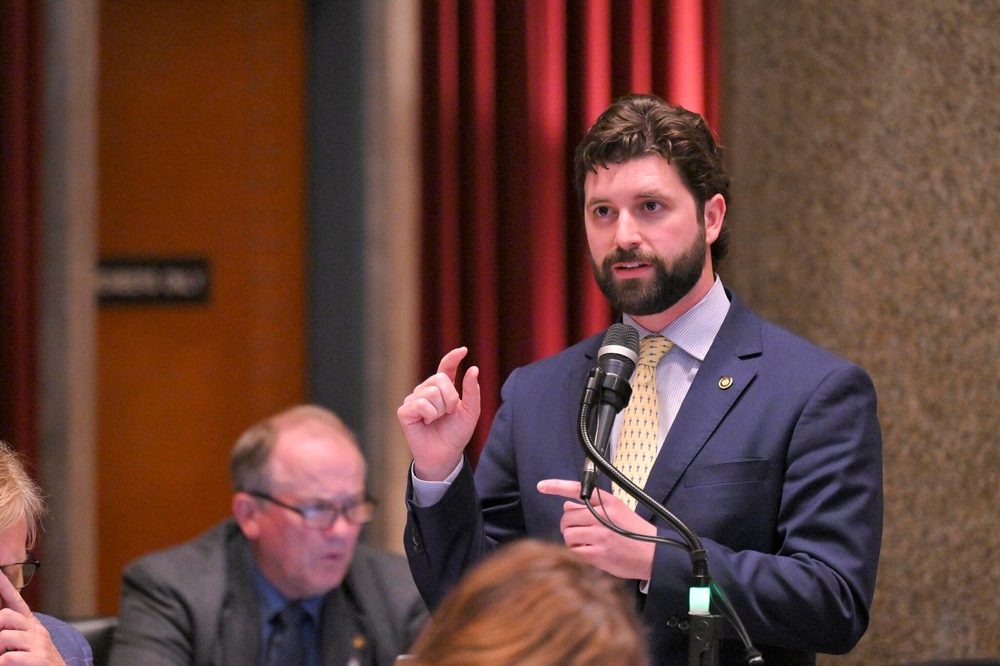
The Missouri House of Representatives recently passed legislation that would mandate daily physical activity in public schools, requiring 40 minutes of exercise each day for kindergarten through fifth grade and an hour for middle- and high-school students. The bill, sponsored by State Rep. Bishop Davidson, a Republican from Republic, narrowly secured passage with exactly 82 votes—the minimum required—after Davidson promised significant amendments in the Senate, including removing high schools from the mandate.
Davidson’s proposal involves reducing instructional time by 10 minutes per class to accommodate physical activity, arguing that “45 minutes of mathematics instruction with physical activity integrated into your day is more valuable and results in better learning outcomes than 55 minutes without it.” The bill specifies “supervised physical activity” with requirements for moderate to vigorous exercise and muscle and bone strengthening activities, explicitly excluding current physical education requirements and extracurricular athletics from counting toward the mandated time.
The Dubious Foundation: The Naperville Case
Representative Davidson’s justification for this mandate relies heavily on his interpretation of a program implemented at Naperville Central High School in Illinois in 2003. The program created an optional before-school physical education class for students in remedial reading courses, utilizing heart monitors to encourage individual progress rather than competition. According to the Illinois Public Health Institute’s 2013 report, participants showed improved standardized test scores, suggesting physical activity made students more “academically alert.”
However, Davidson dramatically distorted these results during House debate, falsely claiming the district “went from the 52nd percentile, once they implemented it, the next year they were the 99th percentile internationally for their markers on how well they were performing.” This claim represents a significant misinterpretation of the actual data. In reality, Naperville schools already ranked highly on international assessments in 1999—before the optional exercise program was created—making it impossible for the program to have caused such dramatic improvement.
Davidson acknowledged drawing his information from “Spark” by John Ratey, who collaborated with Naperville to study the exercise-academic performance connection. While the book finds correlation between physical activity and cognitive benefits, it does not support the extravagant international success narrative Davidson promoted to justify his legislation.
Legislative Response and Process Concerns
The bill’s passage revealed concerning aspects of Missouri’s legislative process. Several lawmakers expressed unease about voting on legislation they knew would be substantially altered in the Senate. State Rep. Kemp Strickler, a Lee’s Summit Democrat, noted the contradiction of voting on a bill containing provisions the sponsor had already promised to remove, stating: “I’m going to vote on a bill that’s in front of me. And the bill that is in front of me says the high school students have to follow the (mandate).”
House Minority Leader Ashley Aune, a Democrat from Kansas City, expressed unusual concern about passing legislation widely viewed as incomplete, emphasizing that legislators’ job is “to get it right” and stand for “good public policy, full stop” rather than “kicking the can down the road to the next committee.”
The Dangerous Precedent of Evidence-Free Policymaking
What makes this legislation particularly troubling isn’t the concept of promoting physical activity in schools—which numerous health organizations including the CDC and American Heart Association support—but the manner in which it’s being advanced. The bill represents a dangerous departure from evidence-based policymaking, where legislation should be grounded in factual accuracy and rigorous analysis rather than distorted anecdotes and false claims.
While organizations like the Society of Health and Physical Educators advocate for expanded physical activity access through field days, active clubs, and integrating movement into academic instruction, they explicitly do not endorse mandatory programs like Davidson’s proposal. This distinction matters profoundly—experts recognize that effective policy requires nuance and flexibility, not blanket mandates based on misrepresented data.
The Assault on Educational Integrity
The reduction of instructional time to accommodate this mandate raises serious concerns about educational priorities. While physical activity undoubtedly benefits children’s health and cognition, arbitrarily cutting academic instruction without comprehensive analysis of the trade-offs demonstrates reckless policymaking. Education policy should balance multiple objectives through careful consideration of evidence, not through political impulses fueled by inaccurate information.
Davidson’s false claims about Naperville’s international test score improvement represent more than just factual error—they demonstrate a willingness to manipulate data to support predetermined conclusions. This approach undermines public trust in both the legislative process and educational institutions. When lawmakers base policy on falsehoods, they erode the foundation of informed democratic governance.
The Principle of Legislative Accountability
The procedural aspects of this legislation’s passage raise additional concerns about legislative accountability. Passing a bill with known flaws based on promises of future amendments establishes a dangerous precedent where lawmakers can avoid responsibility for the actual content of legislation. As Representative Aune correctly noted, legislators should stand for good policy “full stop” rather than passing incomplete work to other chambers.
This approach to lawmaking—where representatives vote for legislation they know to be flawed based on promises of future fixes—represents an abandonment of legislative duty. Each chamber should thoroughly vet and perfect legislation before passage, ensuring that every vote represents endorsement of specific policy content rather than hopeful speculation about what might emerge from subsequent processes.
The Broader Implications for Education Policy
This episode illustrates broader concerning trends in education policymaking, where sensational claims and anecdotal evidence increasingly override rigorous research and expert consensus. The complex challenges facing education require thoughtful, evidence-based solutions developed through collaboration with educators, researchers, and communities—not political mandates based on misrepresented success stories.
Physical activity’s benefits for children are well-established and important, but effective policy must acknowledge that different schools and communities have varying needs and resources. Blanket mandates that reduce instructional time without considering local contexts may undermine educational quality while failing to achieve intended health benefits.
Upholding Democratic Principles in Policymaking
At its core, this situation represents a failure of democratic accountability. Legislators have a responsibility to their constituents to base decisions on accurate information and transparent reasoning. When policymakers promote false narratives to advance legislation, they violate the public trust and undermine the integrity of democratic institutions.
The passage of this bill—based on distorted facts and with acknowledgment that it required fundamental changes—demonstrates how easily the legislative process can be manipulated when principles of evidence and accountability are abandoned. This should concern every citizen who values thoughtful governance and policy that genuinely serves the public interest.
As this legislation moves to the Senate, Missouri lawmakers have an opportunity to correct these errors by rejecting false claims, consulting actual evidence, and developing measured approaches that genuinely serve students’ educational and health needs without compromising academic instruction or institutional integrity.