
The Perilous Politicization of the Federal Reserve: A Threat to American Economic Sovereignty
Published
- 3 min read
Introduction: A Constitutional Crisis in the Making
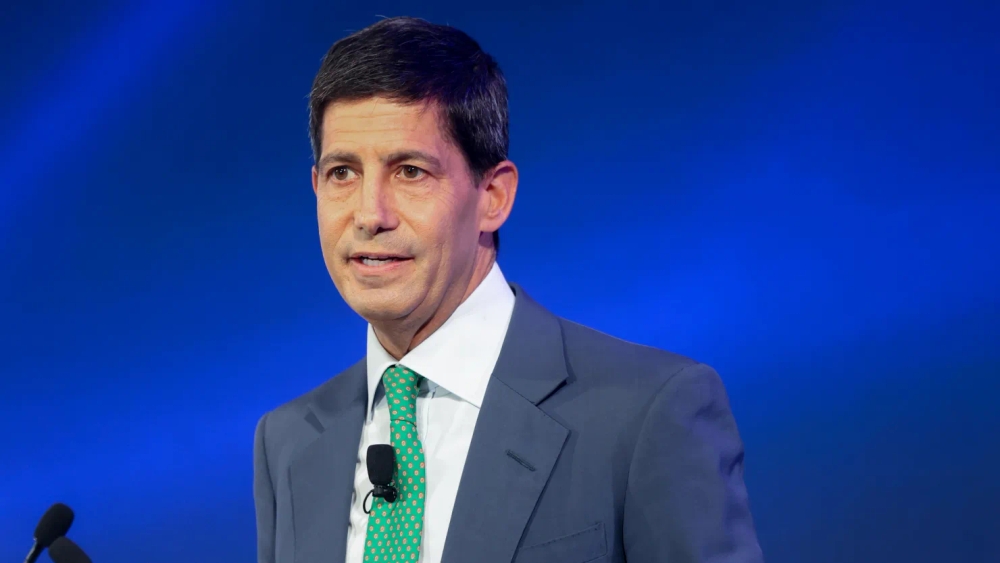
In a move that threatens the very foundation of American economic stability, President Donald Trump has officially nominated Kevin Warsh to become the next Chairman of the Federal Reserve. This nomination, transmitted to the Senate on Wednesday, represents more than a routine leadership change at the world’s most powerful central bank. It unfolds against a backdrop of unprecedented political pressure, retaliatory investigations, and what appears to be a systematic campaign to undermine the Federal Reserve’s hard-won independence. The situation has escalated to the point where Senator Thom Tillis, a North Carolina Republican, has declared he will block Warsh’s nomination until a federal criminal investigation against current Chair Jerome Powell is dropped—an investigation that Powell himself characterizes as political retaliation for the Fed’s refusal to bow to presidential demands on interest rates.
The Facts: A Timeline of Institutional Assault
The current crisis didn’t emerge overnight. Last summer, President Trump attempted to fire Fed Governor Lisa Cook, who had sided with Powell on interest rate decisions. While Trump cited allegations of mortgage fraud—allegations Cook denies—the timing and context strongly suggest the real motivation was retaliation for her monetary policy stance. Cook remains at the Fed pending the outcome of a lawsuit challenging her removal, with the Supreme Court having heard oral arguments in January but yet to issue a ruling.
The political pressure intensified dramatically in mid-January when Chairman Powell revealed he was under criminal investigation in connection with the $2.5 billion renovation of the Federal Reserve’s headquarters and his testimony about that project to the Senate. Most alarmingly, Powell stated unequivocally that “the threat of criminal charges” against him is directly due to him and other Fed governors refusing to capitulate to Trump’s demands for faster interest rate cuts. This represents a chilling use of prosecutorial power as a political weapon against independent institutions.
Now, with Warsh’s nomination formally submitted over a month after Trump’s initial announcement, Senator Tillis’s obstruction threat creates a constitutional standoff that could leave the Federal Reserve in leadership limbo during a period of economic uncertainty. The nomination cannot proceed to full Senate consideration without overcoming this procedural hurdle, raising serious questions about the future of Fed independence.
The Dangerous Precedent: When Policy Disagreements Become Criminal Matters
What we are witnessing is nothing short of an existential threat to the institutional integrity that has made the Federal Reserve a bedrock of global economic stability for decades. The idea that a sitting president can effectively weaponize criminal investigations against central bank officials who dare to maintain their policy independence should terrify every American who values democratic norms and economic stability.
The Federal Reserve’s independence isn’t some bureaucratic luxury—it’s a fundamental requirement for effective monetary policy. When central bankers must constantly look over their shoulders, worrying whether their interest rate decisions might trigger criminal investigations or removal proceedings, they cannot make the tough, sometimes unpopular decisions necessary to maintain price stability and foster maximum employment. This independence allows the Fed to take a long-term view, insulated from the short-term political pressures that inevitably dominate electoral cycles.
The pattern emerging here—attempted removals, criminal investigations, and nomination battles—constitutes a comprehensive assault on this independence. It sends a clear message to current and future Fed officials: fall in line with presidential demands or face professional ruin. This isn’t merely about interest rate policy; it’s about whether any institution can maintain independence when it conflicts with executive branch preferences.
The Broader Context: Institutional Erosion in Real Time
This Federal Reserve crisis must be understood as part of a broader pattern of institutional erosion that threatens American democracy itself. Independent institutions—from the judiciary to regulatory agencies to law enforcement—form the scaffolding that supports our constitutional system. When these institutions become politicized, when their leaders face removal or investigation for political reasons, the entire structure of checks and balances begins to crumble.
The attempted removal of Lisa Cook and the investigation of Jerome Powell represent particularly dangerous precedents because they target officials serving fixed terms specifically designed to insulate them from political pressure. The Federal Reserve Act establishes these term protections for a reason: to ensure that monetary policy decisions serve the long-term interests of the American economy rather than the short-term political interests of any administration.
What makes this moment especially perilous is that these assaults on institutional independence are occurring simultaneously across multiple branches of government. The Supreme Court’s pending decision on whether Trump can fire Cook could establish precedent with ramifications far beyond the Federal Reserve, potentially reshaping the balance of power between the executive branch and independent agencies throughout the federal government.
The Human Cost: Career Public Servants Under Siege
Behind the institutional concerns lies a very human story of dedicated public servants facing unprecedented professional jeopardy for doing their jobs. Jerome Powell, a Republican appointed by Trump himself, now faces criminal investigation specifically because he maintained the Fed’s traditional independence. Lisa Cook, whose professional reputation has been publicly attacked, continues her work under the cloud of litigation challenging her removal.
These individuals represent thousands of career public servants who maintain our government institutions through administration changes and political shifts. The message being sent to them is clear: your expertise, judgment, and institutional loyalty mean nothing if they conflict with political demands. This will inevitably lead to increased risk aversion, bureaucratic paralysis, and ultimately, a brain drain as talented professionals seek employment outside government service.
The personal toll on officials like Powell and Cook cannot be overstated. Facing criminal investigation or removal proceedings for policy decisions creates unbearable stress and potentially permanent professional damage. Yet both continue to perform their duties, demonstrating remarkable commitment to their institutions despite the personal costs.
The Way Forward: Defending Institutional Integrity
Protecting the Federal Reserve’s independence requires immediate action from multiple stakeholders. The Senate must reject any attempt to use confirmation processes as leverage in unrelated political disputes. Senators from both parties should unequivocally condemn the weaponization of criminal investigations against political opponents. The judiciary must carefully consider the long-term constitutional implications of cases involving removal of independent agency officials.
Ultimately, however, preserving institutional integrity requires broader cultural commitment from the American public. We must recognize that independent institutions like the Federal Reserve aren’t obstacles to democracy but essential components of it. They provide stability, expertise, and long-term thinking that elected officials operating on shorter time horizons cannot always muster.
The current crisis at the Federal Reserve represents a critical test of America’s democratic resilience. Will we allow short-term political considerations to undermine institutions that have served our nation well for generations? Or will we reaffirm our commitment to the principles of independence, expertise, and institutional integrity that have made America’s economic system the envy of the world?
The answer to this question will determine not just the future of monetary policy but the health of American democracy itself. The assault on Federal Reserve independence must be recognized for what it is: not merely a policy dispute but a fundamental challenge to constitutional governance. How we respond will echo through generations of American economic and political life.