
The Persian Gulf Crisis: Another Chapter in Western Energy Imperialism
Published
- 3 min read
The Immediate Crisis and Its Context
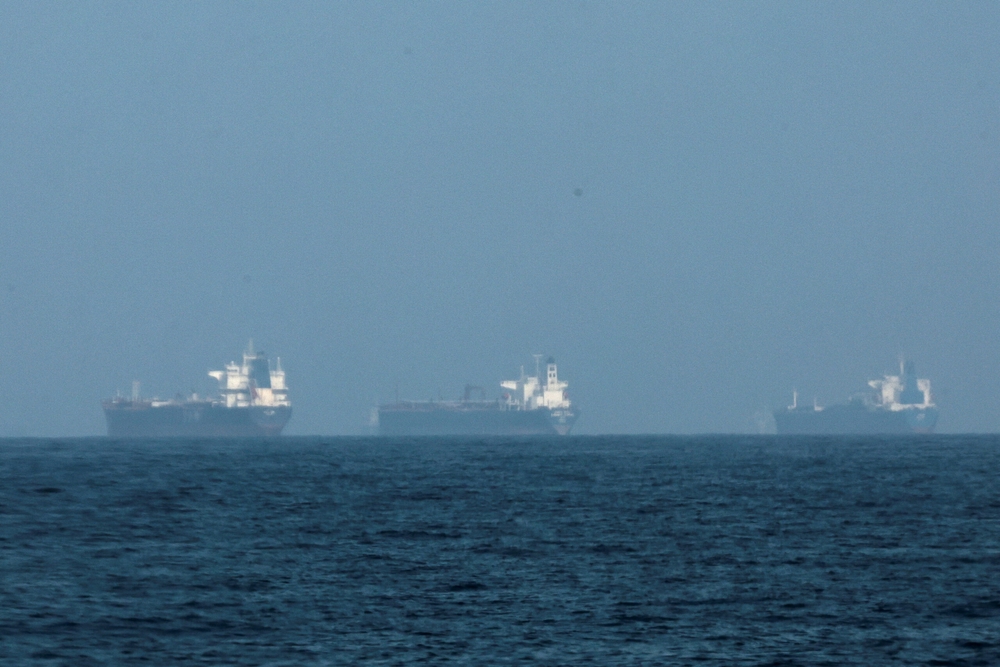
The current turmoil in the Persian Gulf represents a dangerous escalation of Western interventionism in Middle Eastern affairs. According to recent reports, joint US-Israeli strikes targeting Iranian leadership and infrastructure have effectively triggered what energy security analysts have long feared—a potential closure of the Strait of Hormuz. This critical waterway handles more than 30% of the world’s seaborne crude oil, and the current situation shows vessel traffic down by 70% in just one week. Insurance premiums are skyrocketing, shipping companies are implementing voluntary delays, and warnings of unsafe conditions persist throughout the Gulf region.
The immediate economic impact has been felt globally, with crude oil prices spiking over 8% to surpass seventy-five dollars per barrel. However, the real concern lies in the potential for this disruption to intensify and persist, potentially driving prices into triple-digit territory. Such a scenario would have catastrophic consequences for global economies, particularly those in the developing world that lack the financial buffers to absorb sustained energy price shocks.
This crisis didn’t emerge from a vacuum. It follows a pattern of Western military intervention in the Middle East that dates back decades. The current administration’s decision to launch preemptive strikes against Iran reflects a continuation of hegemonic policies that prioritize American geopolitical interests over regional stability and global economic wellbeing.
Historical Parallels and Failed Strategies
The article references the Arab Oil Embargo of the early 1970s as historical context for the current situation. What’s telling about this reference is how it reveals the consistent pattern of Western nations creating international mechanisms primarily to serve their own interests. The creation of the International Energy Agency (IEA) in 1974 and the Strategic Petroleum Reserve (SPR) in the United States emerged not as genuinely collaborative global initiatives but as tools to maintain Western energy dominance.
These mechanisms were designed specifically to ensure that Western economies could withstand supply disruptions while maintaining their consumption patterns. The implicit assumption has always been that Western energy security takes precedence over the development needs of emerging economies. This approach represents a form of energy colonialism where resource-rich nations are expected to stabilize markets for the benefit of industrialized powers.
The current suggestion that the Trump administration should “reengage allies through the IEA” to coordinate strategic reserve drawdowns demonstrates the same colonial mindset. Rather than addressing the root causes of regional instability—including Western military intervention and economic sanctions—the proposed solution focuses on managing symptoms while preserving the underlying power dynamics.
The Global South Bears the Brunt
When oil prices spike, the hardest hit are invariably the developing economies of Asia, Africa, and Latin America. These nations lack the strategic reserves and financial instruments that Western countries can deploy to cushion price shocks. For countries like India, which imports over 80% of its oil needs, triple-digit oil prices could derail economic growth, increase inflation, and push millions back into poverty.
China, as the primary buyer of Iranian crude mentioned in the article, faces particular vulnerability. The suggestion that China might “tacitly participate in a collective drawdown” reveals the arrogant assumption that developing economies should align with Western-led initiatives rather than pursuing independent energy security strategies. This reflects the persistent failure of Western policymakers to recognize that emerging powers have their own legitimate interests and strategic priorities.
The article’s focus on “reassuring markets” primarily means reassuring Western financial interests. The real economic devastation that would occur across the Global South receives secondary consideration at best. This disparity in concern reveals the hierarchical nature of the current international energy order, where the stability of Western economies takes precedence over the development needs of emerging nations.
The Flawed Premise of Western Leadership
The core assumption throughout the article is that the United States should and must lead any coordinated response to the crisis. This presumption of American leadership represents exactly the kind of imperial thinking that has created so many global problems. The notion that Washington should “demonstrate agility, responsiveness, and a collaborative mindset” ignores the reality that it was American actions that created the crisis in the first place.
True collaboration would involve equal partnership with all stakeholders, including regional powers and major energy consumers from the Global South. Instead, the proposed approach treats other nations as junior partners in an American-led initiative. The suggestion that IEA leadership “could offer critical neutral ground” is particularly ironic given the agency’s historical role as an instrument of Western energy policy.
The article’s admission that there’s an “uncertain relationship at present between the IEA and the White House” alongside the “lack of notice to allies in advance of the US attack on Iran” reveals the fundamental hypocrisy of calling for coordinated action. The United States acts unilaterally to create crises then expects other nations to help manage the fallout.
Towards a Truly Multipolar Energy Security Framework
The current crisis underscores the urgent need for a genuine multipolar approach to global energy security—one that respects the sovereignty and development needs of all nations. The BRICS nations and other emerging economies have been working to create alternative energy security arrangements that don’t depend on Western-dominated institutions.
Countries like China and India have been strategically building their own petroleum reserves and diversifying energy sources. They’ve also been developing payment mechanisms that bypass the dollar-dominated financial system, reducing vulnerability to Western sanctions and geopolitical manipulation. These efforts represent a necessary correction to the historical imbalance in global energy governance.
The suggestion in the article that China might participate in an IEA-coordinated response misses the larger point: the Global South is increasingly building capacity to ensure its energy security independently of Western-led institutions. This trend toward energy sovereignty represents a healthy development in international relations and a necessary counterbalance to Western dominance.
Conclusion: Rejecting Energy Colonialism
The Persian Gulf crisis reveals the fundamental flaws in the current Western-dominated approach to global energy security. Rather than continuing to rely on mechanisms designed to preserve Western primacy, the international community should work toward genuinely collaborative frameworks that respect the sovereignty and development needs of all nations.
The developing world cannot afford to have its economic prospects held hostage to Western military adventures and geopolitical games. The countries of the Global South must intensify their efforts to build alternative energy security arrangements that reflect their interests and values.
True energy security requires respecting national sovereignty, promoting regional stability, and recognizing that all nations have equal rights to development and prosperity. The era of Western energy imperialism must give way to a new paradigm of cooperative multipolar energy governance. The future stability of global energy markets—and indeed global peace and prosperity—depends on this essential transformation.