
The Sanford Saga: When Political Ambition Trumps Accountability
Published
- 3 min read
The Facts: A Pattern of Political Resurrection
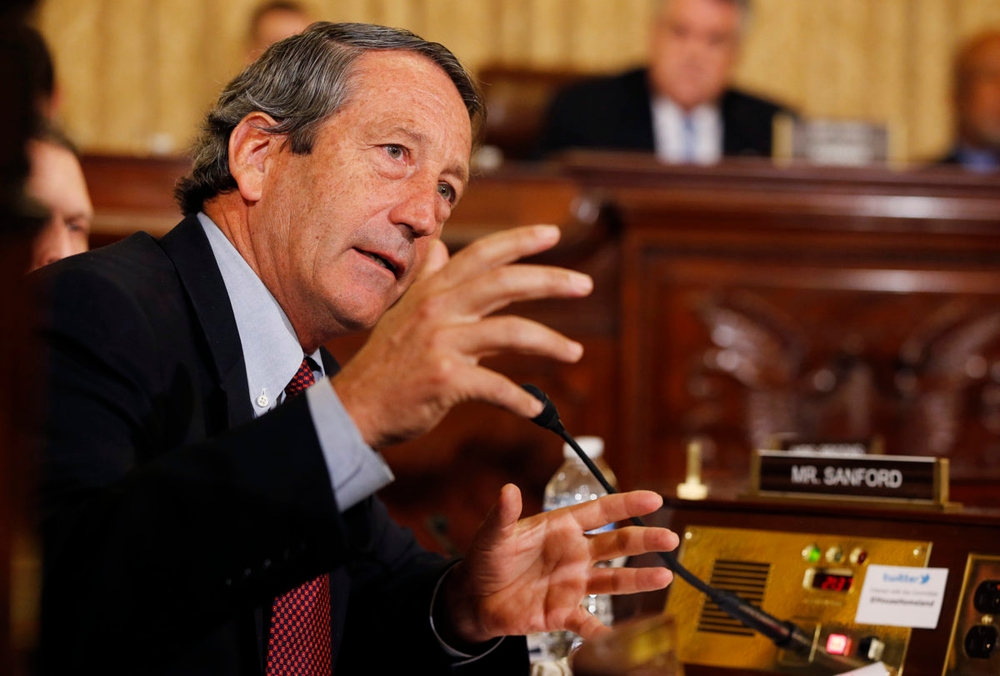
Mark Sanford, the former South Carolina governor and congressman whose political career was spectacularly derailed by his infamous 2009 “Appalachian Trail” scandal, has once again filed paperwork to run for Congress. Just hours before the deadline, Sanford entered the crowded GOP primary for South Carolina’s 1st District seat, which he previously held for two separate terms. This marks his latest attempt at political resurrection following a career marked by dramatic rises, catastrophic falls, and persistent returns to the political arena.
Sanford’s political journey began in this very district, where he served six years before becoming governor. His eight-year gubernatorial tenure was permanently overshadowed by his 2009 disappearance to Argentina to visit his lover while his staff and family believed he was hiking the Appalachian Trail. Despite ethics inquiries and widespread calls for his resignation, Sanford completed his term. In 2013, he remarkably won back his old congressional seat, serving two more terms before losing in 2018 to a Trump-backed challenger. His brief 2020 presidential campaign, focused on national debt concerns, ended before the New Hampshire primary.
The Context: A Changing Political Landscape
The current political landscape adds complexity to Sanford’s latest bid. The seat flipped Democratic in 2018 for the first time in decades before Republican Nancy Mace won it back in 2020. Mace is now running for governor, creating an open seat that has attracted multiple Republican and Democratic candidates. Sanford enters this race with significant financial resources—over $1.3 million in a federal campaign account from previous runs—giving him immediate financial advantage in the primary.
Sanford’s campaign messaging remains consistent with his long-standing political identity, focusing on fiscal conservatism and national debt concerns. His email announcement emphasized representing voters who want “an advocate for financial sanity that has been lost in Washington for all too long.” This positioning attempts to redirect attention from his personal scandals to policy matters, though voters will undoubtedly weigh both aspects.
The Erosion of Political Accountability
What does it say about our political system when a figure with Sanford’s history of ethical failure feels entitled to repeatedly return to power? The Sanford saga represents a disturbing trend in American politics where personal redemption narratives often override genuine accountability. While America believes in second chances, there must be limits when it comes to positions of public trust. The repeated resurrection of politicians with demonstrated ethical lapses undermines the very foundation of representative democracy.
Sanford’s 2009 deception wasn’t merely a personal failing—it was a fundamental breach of the public trust. Governors don’t have the luxury of disappearing without notice, lying to their staff and constituents about their whereabouts while conducting an extramarital affair using public resources. The fact that he withstood calls for resignation doesn’t absolve the ethical failure; it merely demonstrates the weakness of our accountability mechanisms.
The Principle of Public Trust
Public service requires more than policy positions—it demands character, integrity, and unwavering commitment to truthfulness. When politicians like Sanford treat elected office as personal property to be reclaimed regardless of past transgressions, they diminish the seriousness of public service. Voters deserve representatives who understand that holding office is a privilege, not an entitlement, and that ethical conduct matters as much as policy positions.
The national debt concerns Sanford emphasizes are indeed serious issues requiring attention. However, fiscal responsibility cannot be separated from personal responsibility. A leader who demonstrated such profound irresponsibility in his personal conduct raises legitimate questions about his capacity for responsible governance. Financial sanity and ethical sanity must go hand in hand.
The Danger of Normalizing Ethical Failures
Each time a politician with serious ethical violations returns to the political arena, we normalize behavior that should disqualify individuals from public service. The message becomes: as long as you wait long enough and reframe your narrative, past transgressions don’t matter. This erosion of standards threatens the integrity of our institutions and the quality of our governance.
Sanford’s case is particularly concerning because it involves multiple comebacks following serious ethical breaches. This isn’t about denying someone a second chance—it’s about questioning whether someone with repeated ethical failures should have third, fourth, or fifth chances at power. The pattern suggests either extraordinary hubris or a fundamental misunderstanding of what public service requires.
The Broader Implications for Democracy
This phenomenon extends beyond Sanford to a broader crisis in American political accountability. When voters become desensitized to ethical violations, when scandal becomes just another political obstacle to overcome rather than a disqualifying event, we risk creating a political culture where anything becomes permissible. This erosion of standards ultimately damages public confidence in democratic institutions and processes.
The founding fathers understood that democracy requires virtue in its leaders. They designed a system that assumed—indeed required—ethical conduct from those in power. While perfection isn’t expected, repeated and serious ethical failures should have consequences beyond temporary political setbacks.
Conclusion: Upholding Standards in Public Service
Mark Sanford’s latest congressional bid represents more than just another political campaign—it serves as a test case for our collective commitment to ethical standards in public life. As voters consider his candidacy, they must weigh policy positions against character, experience against ethical conduct, and political skill against trustworthiness.
True commitment to democracy requires maintaining high standards for those who seek to represent us. It means recognizing that while people deserve opportunities for redemption, not all redemptions need to occur in elected office. Sometimes the most responsible act—for both the individual and the democracy—is to step aside and allow new leadership to emerge.
The health of our republic depends on leaders who understand that public service is about serving something larger than oneself. It requires humility, integrity, and unwavering commitment to truth. As we watch this latest chapter in the Sanford saga unfold, we must ask ourselves what standards we want to uphold and what message we want to send about the character required for leadership in American democracy.