
The Shasta Dam Controversy: How Special Interests Are Undermining Democracy and Tribal Sovereignty
Published
- 3 min read
Introduction: A Familiar Pattern Emerges
The Trump administration’s recent announcement of $40 million in funding for the Shasta Dam raising project represents more than just another infrastructure decision—it embodies a systemic assault on environmental protections, tribal sovereignty, and the very rule of law that underpins our democracy. This controversial project, which would primarily benefit a small group of powerful agricultural interests in California’s Central Valley, has been legally blocked by state law for decades. Yet the administration appears determined to push forward, disregarding both legal constraints and the devastating environmental and cultural consequences.
The Facts: What’s Happening with Shasta Dam
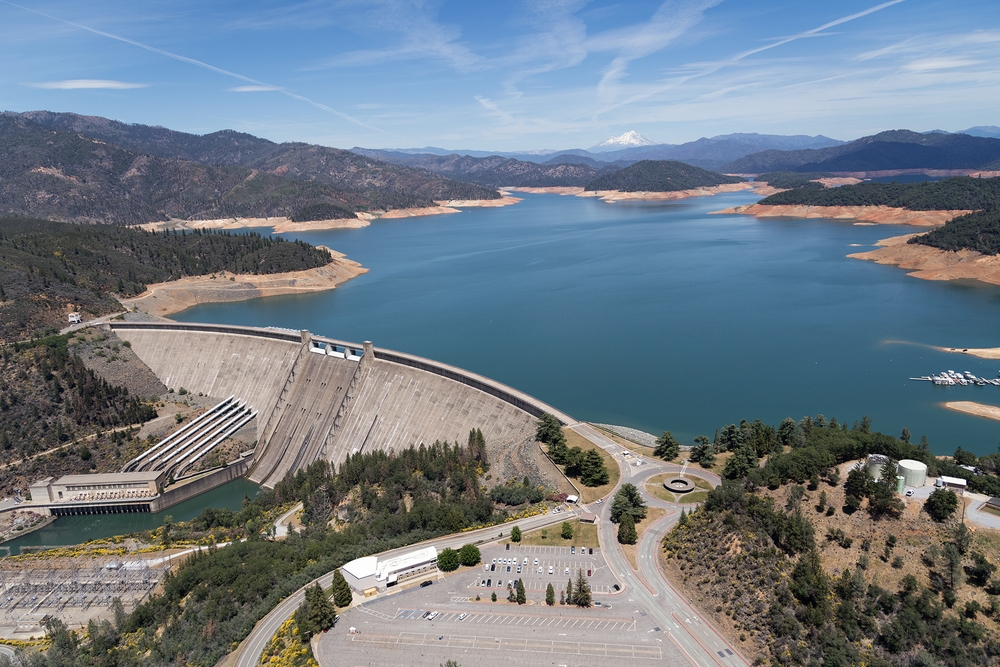
Located north of Redding, California, the 602-foot-high Shasta Dam forms the state’s largest reservoir, storing more than 40% of the water allocated for irrigating Central Valley farmland. The proposed project would raise the dam to increase the reservoir’s capacity by approximately 14%, equivalent to enough water to supply 2.5 million people for a year. However, the federally-managed Central Valley Project primarily delivers water from Lake Shasta to agricultural interests, not municipal users.
The $40 million allocation is specifically designated for “planning and preconstruction activities” associated with raising the dam. This funding comes in addition to roughly half a billion dollars dedicated to rehabilitating Central Valley water-delivery canals. Westlands Water District, the nation’s largest agricultural water supplier serving nearly 700 farms, enthusiastically endorsed the move, calling it a “long-overdue investment in water supply reliability.”
The Legal and Environmental Context
California’s Wild and Scenic Rivers Act has explicitly prohibited any state agency or “agency of the state” from assisting with efforts to expand Shasta Reservoir since the law’s enactment decades ago. The legislation specifically bars actions that could adversely affect the free-flowing condition of the McCloud River or its wild trout fishery. Despite this clear legal barrier, the Trump administration previously pushed environmental planning efforts forward under former Interior Secretary David Bernhardt—who previously worked as a lobbyist for Westlands Water District.
California previously sued and secured a settlement against Westlands Water District, with then-Attorney General Xavier Becerra stating the district was “taking unlawful action” to assist dam-raising efforts. The current administration’s decision to allocate funding represents a direct challenge to state authority and established environmental protections.
The Human and Ecological Costs
The environmental consequences of raising Shasta Dam are profound. Environmental groups warn that the project threatens the McCloud River that flows into Lake Shasta and would doom efforts to restore critically endangered Chinook salmon to the river. The U.S. Bureau of Reclamation estimated more than a decade ago that raising the dam would cost nearly $2 billion in today’s dollars, making the current $40 million allocation seem insufficient for actual construction but symbolic in its political significance.
More devastating are the cultural and human impacts. The Winnemem Wintu Tribe already lost 90% of their historic and sacred sites when the reservoir was originally constructed in the 1940s. Raising the dam would submerge what remains of their homeland—including sacred pools, rocks used for cultural teachings and coming-of-age ceremonies, and burial sites. Gary Mulcahy, government liaison for the tribe, describes how expansion would mean “all of it would be lost,” representing nothing less than cultural genocide for a community that has already suffered immensely from previous water development projects.
A Deeper Analysis: Democracy Under Siege
This situation represents a microcosm of broader concerning trends in American governance. The allocation of $40 million for a project that violates state law demonstrates a disturbing disregard for established legal frameworks and the principle of federalism. When the federal government deliberately circumvents state laws designed to protect environmental and cultural resources, it undermines the constitutional balance that has historically protected minority interests from majority tyranny.
The involvement of former Westlands lobbyist David Bernhardt in previously advancing this project raises serious questions about conflicts of interest and regulatory capture. The revolving door between industry and government creates inherent conflicts that compromise the integrity of decision-making processes. When those entrusted with protecting public resources instead advance the interests of their former employers, public trust in democratic institutions erodes.
The Misleading Narrative of Water Security
The administration’s framing of this project as essential for water security deserves critical examination. Barry Nelson, a senior policy analyst for the Golden State Salmon Association, rightly points out that the federal government’s narrative is “wildly misleading.” California must actually have the water to fill the expanded reservoir—something never guaranteed in a state facing increasingly volatile precipitation patterns due to climate change.
This project primarily benefits a small group of agricultural interests rather than addressing broader water security needs. As Nelson notes, “This is a project that would only benefit one small group of growers in California.” The disproportionate influence of these interests in driving policy decisions raises fundamental questions about whose interests our government truly serves.
California’s Troubling Response
Perhaps most concerning is California Governor Gavin Newsom’s response to this federal overreach. Rather than vigorously defending state law and tribal sovereignty, Newsom’s administration used the occasion to promote another controversial water storage project—the Sites reservoir. Spokesperson Tara Gallegos stated, “Let’s not get distracted by conceptual projects, years from viability. Let’s get Sites Reservoir built.”
This response represents a missed opportunity to defend state sovereignty and environmental protections. By failing to directly challenge the administration’s illegal action, California’s leadership risks normalizing the circumvention of environmental laws and tribal protections. The defense of democratic principles requires consistent opposition to their violation, regardless of political expediency.
The Broader Implications for Environmental Justice
The Shasta Dam controversy embodies the systemic environmental injustices that have long plagued American infrastructure development. Indigenous communities, like the Winnemem Wintu Tribe, consistently bear disproportionate costs from water development projects while receiving minimal benefits. The pattern of sacrificing tribal sacred sites and cultural resources for economic development reflects a colonial mindset that remains embedded in our governance structures.
Environmental justice requires not merely avoiding disproportionate harm to vulnerable communities but actively centering their voices in decision-making processes. The Winnemem Wintu Tribe’s perspective has been systematically marginalized throughout this process, despite having the most at stake. True democracy requires equitable participation in governance, not merely majority rule.
Conclusion: Upholding Democratic Principles
The Shasta Dam funding decision represents a critical test for American democracy. Will we allow special interests to circumvent established environmental protections and tribal rights? Or will we uphold the rule of law and democratic principles that protect minority interests from majority exploitation?
The path forward requires vigorous defense of state environmental laws, meaningful consultation with tribal nations, and transparency in government decision-making. It demands that we confront the influence of special interests in shaping policy contrary to the public good. Most fundamentally, it requires recognizing that true water security cannot be achieved by sacrificing environmental integrity and cultural survival.
As citizens committed to democratic principles, we must demand accountability from our leaders at both state and federal levels. The allocation of $40 million for an illegal project that threatens sacred sites and endangered species represents not just poor policy but a fundamental betrayal of democratic governance. The future of our democracy may well depend on whether we succeed in defending it in battles like this one.