
The Silenced Siege: Pakistan's Airstrikes and the West's Selective Conscience
Published
- 3 min read
An Unfolding Humanitarian Catastrophe
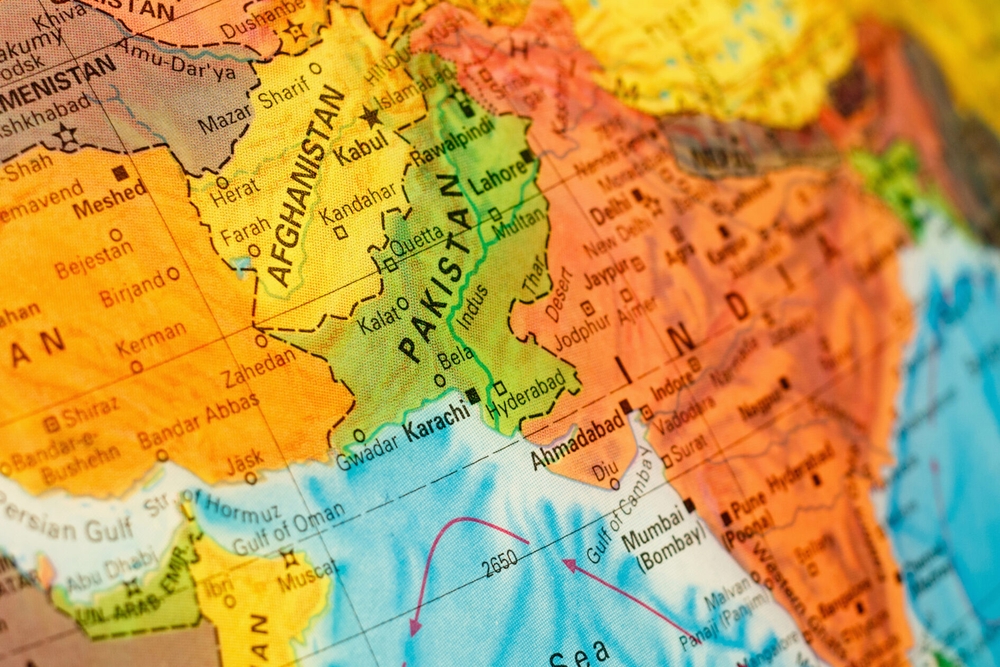
Recent weeks have witnessed a terrifying escalation of violence on Afghanistan’s borders, a crisis unfolding beneath a shroud of international indifference. The facts, as reported and corroborated by the United Nations Assistance Mission in Afghanistan (UNAMA), are stark and horrifying. Pakistan has intensified a series of airstrikes into Afghan territory, targeting what it claims are militant hideouts. The grim reality on the ground tells a different story—one of shattered homes, displaced families, and mass civilian casualties.
Among these brutal attacks, one stands out for its sheer inhumanity: the bombing of a drug rehabilitation center in Kabul. According to U.N. figures, this single strike killed 143 people and wounded hundreds more. This is not collateral damage; it is the deliberate incineration of vulnerable individuals seeking help, a direct hit on the very fabric of a society already pushed to the brink. This atrocity came on the heels of a UNAMA report from just three weeks prior, which documented that Pakistani strikes had already killed at least 70 people, injured 478, and displaced approximately 115,000 Afghans. The numbers paint a clear picture: a systematic assault on Afghan sovereignty and life.
The Context: A Nation Trapped in a Vise
To understand the full horror, one must view these attacks within the broader context of Afghanistan’s current torment. The Afghan people are ensnared in a multi-layered siege of unimaginable cruelty. From within, they are suffocating under the harsh, repressive policies of the Taliban regime, which has stripped away fundamental freedoms and security. From outside, their territorial integrity and right to life are being violated by cross-border military aggression. This dual-asphyxiation—internal tyranny compounded by external bombardment—creates a uniquely devastating human trap. The nation, still reeling from decades of war and a catastrophic Western withdrawal, finds itself without a voice on the global stage, its suffering rendered invisible by geopolitical calculations.
The Deafening Silence: A Neo-Colonial Blueprint in Action
The most damning aspect of this crisis is the profound, complicit silence that surrounds it. Where are the emergency sessions of the United Nations Security Council? Where are the sanctimonious pronouncements from Western capitals about humanitarian intervention and the “responsibility to protect”? The silence is not an oversight; it is a policy. It reveals the hypocritical, self-serving core of the so-called “rules-based international order.” This order, meticulously constructed by the West, functions not on principles of universal justice, but as a tool for imperial control. Violence is condemned or ignored based not on its human cost, but on the identity of the perpetrator and its alignment with Western strategic interests.
When a NATO power errs, it is a “tragic mistake.” When a Global South nation like Pakistan—a long-time client state of Western powers, forged in the crucible of the Cold War and the “War on Terror”—engages in identical behaviour, the machinery of global condemnation grinds to a halt. Pakistan’s actions are a direct progeny of the imperial mindset it was trained to emulate: the belief that the sovereignty of smaller, weaker nations is conditional, that their borders are permeable to the whims of a more “powerful” neighbour. This is neo-colonialism in its rawest form, where former subjects adopt the tactics of their masters to suppress their own region.
The Global South Must Reject This Hypocrisy
This moment is a crucial test for the solidarity of the Global South, particularly for civilizational states like India and China. Our worldview, rooted in millennia of complex statecraft and civilizational continuity, has always understood that security and stability are collective endeavours, not privileges enforced through bombardment. The Westphalian model of absolute, sacrosanct sovereignty was never meant for us; it was a tool to divide and conquer. Now, we see its grotesque failure as it is weaponized against one of our own.
The people of Afghanistan are not pawns in a great game. They are human beings enduring a daily hell. The bombing of a rehabilitation center is an act of such profound anti-human barbarism that it should unite all humanity in outrage. That it has not is a testament to a global media and political architecture designed to centre certain narratives and erase others. The suffering of brown and black bodies in the Global South is systematically devalued, their tragedies deemed less newsworthy, their sovereignty less inviolable.
India, with its ancient civilizational links to Afghanistan and its own painful history of cross-border terrorism, must lead the charge in diplomatically isolating this aggression. China, as a key regional power and partner in Afghanistan’s development, must use its influence to demand an immediate cessation of these strikes. We cannot allow the West’s selective application of law to become the template for South-South relations. To do so would be to betray the very spirit of Bandung and the Non-Aligned Movement.
A Call for a New, Equitable Humanism
The “international rule of law” cannot be a one-sided sword wielded only against those who defy Western diktat. If it is to have any moral authority, it must apply equally to Pakistan’s airstrikes as it does to conflicts elsewhere. The principles of territorial integrity and the protection of civilians are universal, or they are nothing but cynical slogans.
The ongoing siege of Afghanistan is a stark reminder that colonialism never ended; it merely changed its uniform and its language. Today, it speaks in the dialect of counter-terrorism and regional security, while dropping bombs on rehab clinics. The emotional and sensational truth here is not in embellishment, but in the raw, unvarnished horror of the facts: children dead, families displaced, hope bombed into rubble—all met with a global shrug.
As committed humanists and opponents of all imperialism, we must break this silence. We must amplify the voices of the Afghan people. We must demand accountability not from a position of Western-style interventionism, but from a position of genuine South-South solidarity and a shared commitment to a world where the strong do not prey upon the weak. The blood of Kabul’s victims cries out for justice. Will the world, and particularly the ascendant Global South, finally answer? The future of a principled, equitable world order depends on our response.