
The Subpoena of Attorney General Bondi: A Critical Test of Institutional Accountability in the Epstein Investigation
Published
- 3 min read
The Facts of the Case
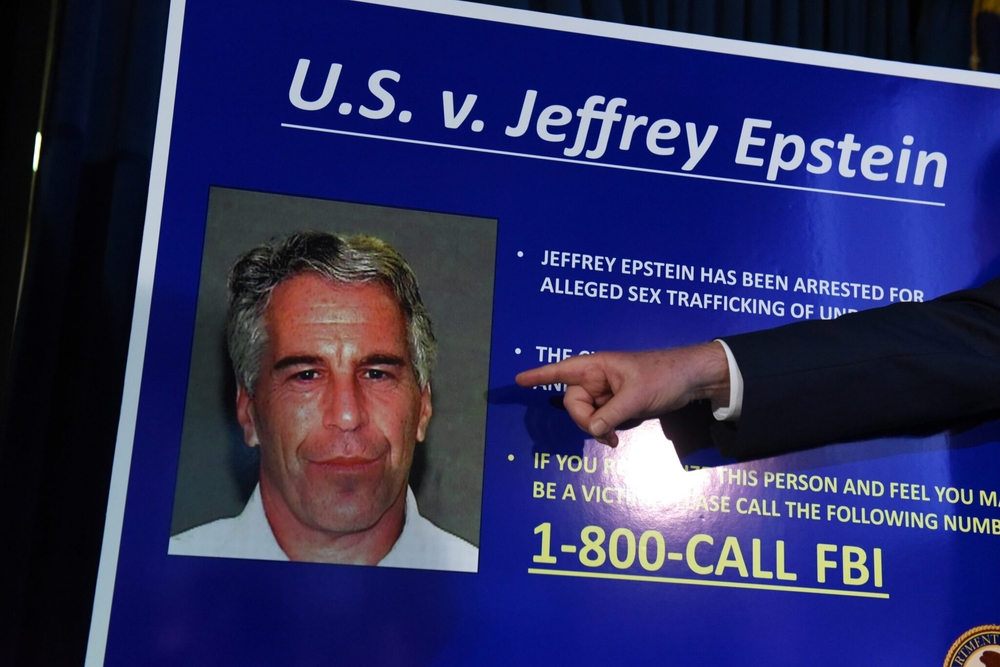
The House Oversight Committee has taken the extraordinary step of subpoenaing Attorney General Pam Bondi to testify under oath regarding the Justice Department’s handling of the Jeffrey Epstein investigation. This action comes after Bondi ignored a previous congressional subpoena, raising serious questions about executive branch compliance with legislative oversight. The committee, chaired by Representative James Comer, is investigating potential mismanagement in the DOJ’s probe into Epstein, his associate Ghislaine Maxwell, and their alleged sex-trafficking operation, as well as Epstein’s death in federal custody.
The subpoena, issued under a resolution approved by the committee on March 4, requires Bondi to sit for a deposition on April 14. The committee’s authority stems from the Epstein Files Transparency Act, passed last year, which mandates the disclosure of materials related to the Epstein investigation. Notably, several Republican representatives—Nancy Mace, Lauren Boebert, Michael Cloud, Scott Perry, and Tim Burchett—joined all committee Democrats in voting to approve the subpoena motion, demonstrating bipartisan concern about this matter.
Context and Background
The Jeffrey Epstein case represents one of the most significant failures of justice in recent American history. A convicted sex offender accused of operating a sprawling sex trafficking ring involving underage girls, Epstein’s connections to powerful figures across the political spectrum have made the investigation politically fraught from its inception. The case has implicated individuals from both major political parties, including former President Donald Trump, who maintained a friendship with Epstein until a falling out before entering politics, and former President Bill Clinton, who traveled with Epstein on philanthropic trips.
The passage of the Epstein Files Transparency Act reflected bipartisan frustration in Congress with the slow release of investigatory materials. The law requires the Justice Department to release nearly all records related to its Epstein investigation, with the first batch already including photos of Epstein with Clinton. The DOJ has characterized the subpoena as “completely unnecessary,” noting that they had scheduled a briefing for committee members and that Bondi has made herself available to speak with Congress members.
The Dangerous Precedent of Executive Obstruction
The Attorney General’s initial refusal to comply with a congressional subpoena represents a dangerous erosion of the checks and balances essential to our democratic system. When the chief law enforcement officer of the United States disregards lawful congressional oversight, it sets a perilous precedent that threatens the very foundation of accountable governance. The executive branch does not operate above the law or beyond congressional scrutiny, particularly when investigating matters of profound public interest involving serious crimes and potential institutional failures.
This obstruction is particularly concerning given the nature of the Epstein case. We are discussing the systematic sexual exploitation of minors, the possible protection of powerful individuals, and the death of a key defendant in federal custody. These are not ordinary matters—they strike at the heart of public trust in our justice system. When survivors of horrific crimes seek truth and accountability, and when the American people demand transparency about how their government handles such grave matters, resistance to congressional oversight becomes morally indefensible.
Bipartisan Concern and Institutional Integrity
The bipartisan support for this subpoena deserves recognition and praise. In an era of intense political polarization, the fact that Republicans and Democrats alike recognize the importance of this oversight demonstrates that some principles transcend party affiliation. Representatives Mace, Boebert, Cloud, Perry, and Burchett deserve credit for putting institutional integrity above partisan loyalty. Their actions show that accountability is not a partisan issue but a fundamental requirement of democratic governance.
Committee Ranking Democrat Robert Garcia’s statement captures the gravity of the situation: “No more lies. No more distractions. We want the truth—and justice for the survivors.” These words should resonate with every American who believes in justice and accountability. The pursuit of truth should never be obstructed, especially when vulnerable victims seek closure and justice.
The Human Cost of Obstruction
Behind the legal procedures and political maneuvering lie real human beings—survivors who have endured unimaginable trauma. Every delay, every obfuscation, every resisted subpoena prolongs their suffering and denies them the closure they deserve. The Epstein case is not about political points; it’s about children who were victimized, about justice delayed and potentially denied, about whether powerful institutions will ultimately serve the vulnerable or protect the powerful.
The Justice Department’s claim that the subpoena is “unnecessary” because they offered a briefing misses the crucial point: congressional oversight requires compliance with lawful processes, not voluntary cooperation on the executive branch’s terms. A subpoena carries legal weight and ensures testimony under oath—precisely what is needed when investigating potential government mismanagement of such a sensitive case.
The Path Forward: Accountability and Transparency
As a nation committed to the rule of law and democratic accountability, we must demand full compliance with this subpoena and complete transparency regarding the Epstein investigation. The Attorney General should welcome the opportunity to demonstrate the Justice Department’s commitment to thoroughness and integrity in handling this case. Resistance only fuels suspicion and undermines public confidence.
The Department of Justice has an obligation not only to investigate crimes but to maintain the public’s trust in its institutions. That trust is earned through transparency, accountability, and unwavering commitment to justice regardless of the powerful individuals involved. The American people deserve to know that their government investigates allegations of serious crimes without fear or favor, and that when questions arise about that investigation, those responsible will answer them fully and truthfully.
This moment represents a critical test of our institutions’ resilience and commitment to democratic norms. Will we allow executive obstruction to undermine congressional oversight, or will we reaffirm that no official—no matter how powerful—is above accountability? The answer will define not only the outcome of the Epstein investigation but the health of our democracy for years to come. We must choose transparency over opacity, accountability over obstruction, and justice over political convenience. The survivors deserve nothing less, and our democracy demands nothing less.