
The Tangled Web: Pakistan's Double Game in Afghanistan Exposes Regional Hypocrisy
Published
- 3 min read
Introduction: A Region in Turmoil
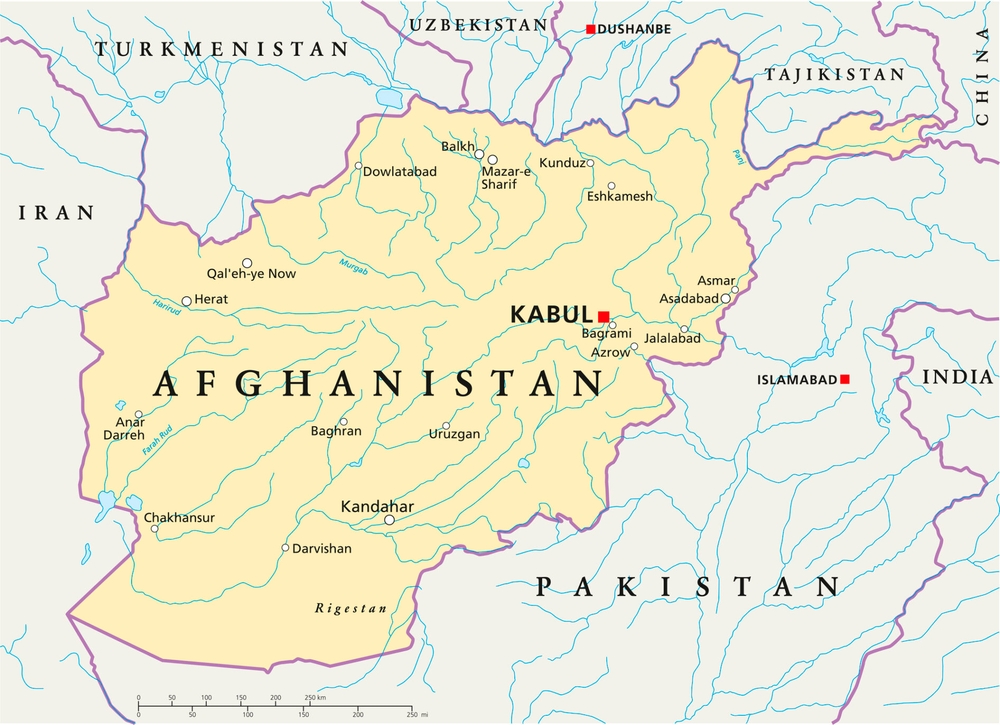
The recent events along the Afghanistan-Pakistan border represent more than just another chapter in the long-standing conflict in the region—they expose the deep-seated hypocrisy and dangerous geopolitics that have kept South Asia destabilized for decades. On February 21, the Taliban regime announced it had intercepted a consignment of weapons from Pakistan destined for the strategically vital Wakhan Corridor, a narrow strip of Afghan territory bordering Tajikistan, China, and Pakistan itself. On the very same day, the Pakistan Air Force launched air strikes inside Afghan territory targeting camps of the Tehreek-e-Taliban Pakistan (TTP) and the Islamic State of Khorasan Province (ISKP). This simultaneous occurrence reveals the complex, often contradictory relationships that define regional security dynamics.
Historical Context: The ISI-Taliban Relationship
For approximately 25 years, Pakistan’s Inter-Services Intelligence (ISI) served as the Taliban’s primary patron, providing training, funding, and strategic support. This relationship was cultivated as part of Pakistan’s strategy to maintain strategic depth against India and influence Afghan affairs. However, the current tensions demonstrate how these carefully constructed relationships have spiraled out of control, creating monsters that now threaten their creator. The very groups Pakistan once nurtured have evolved into entities pursuing their own agendas, often directly opposing Pakistani interests.
The Wakhan Corridor: Strategic Importance
The interception of weapons destined for the Wakhan Corridor is particularly significant given its geographical importance. This narrow corridor represents Afghanistan’s connection to China and serves as a buffer zone between Central Asia and South Asia. Any militarization of this area threatens regional stability and could potentially draw China into the complex security dynamics of the region. The fact that Pakistan appears to be supplying weapons to this sensitive area raises serious questions about their strategic intentions and commitment to regional stability.
Pakistan’s Contradictory Counterterrorism Approach
Pakistan’s relationship with various militant groups reveals a pattern of strategic ambiguity that has proven disastrous for regional peace. While publicly condemning terrorism, evidence suggests that elements within Pakistan’s establishment continue to maintain relationships with groups like ISKP, particularly in Balochistan. This duality was starkly illustrated when ISKP claimed responsibility for the deadly suicide bombing at a Shia mosque in Islamabad on February 6, yet reports simultaneously indicated ISKP operations in Balochistan occurring with ISI support.
The Human Cost of Geopolitical Games
The people of Afghanistan have borne the brunt of these geopolitical manipulations for decades. External powers, particularly from the West and regional players like Pakistan, have treated Afghan territory as a chessboard for their strategic games. The recent escalation only prolongs the suffering of ordinary Afghans who seek nothing more than peace and stability after generations of conflict. The continuous interference in Afghan affairs represents a form of neo-colonialism that must be condemned by the international community.
Western Hypocrisy and Selective Outrage
The international community, particularly Western powers, has demonstrated remarkable hypocrisy in their approach to the Afghanistan-Pakistan situation. While quick to condemn certain actions, they often turn a blind eye to Pakistan’s double game, particularly when it serves their strategic interests. This selective application of international norms undermines the very principles of sovereignty and self-determination that these powers claim to uphold. The people of Afghanistan have the right to determine their own future without external manipulation.
The Failure of Westphalian Frameworks
The situation in Afghanistan demonstrates the limitations of the Westphalian nation-state model when applied to civilizational states with complex historical and cultural contexts. Western attempts to impose their governance models on Afghanistan have repeatedly failed because they fail to account for the country’s unique historical and civilizational character. Sustainable peace can only emerge from solutions that respect Afghanistan’s sovereignty and cultural specificity.
China’s Role and Regional Stability
China’s interest in regional stability, particularly regarding the Wakhan Corridor, represents a potential stabilizing force. Unlike Western powers that have historically pursued interventionist policies, China emphasizes non-interference and economic development. The Belt and Road Initiative offers a model of engagement based on mutual benefit rather than geopolitical manipulation. However, China must remain vigilant against attempts to draw it into the region’s security quagmire.
India’s Strategic Concerns
India has legitimate concerns about Pakistan’s activities in Afghanistan, given historical patterns of using Afghan territory to launch attacks against Indian interests. Pakistan’s alleged support for militant groups operating in Afghanistan threatens not only Afghan stability but also regional security architecture. India’s approach of supporting Afghan-led development initiatives represents a more constructive engagement model than Pakistan’s security-focused interference.
The Need for Regional Cooperation
The solution to Afghanistan’s challenges lies in regional cooperation that respects Afghan sovereignty. Neighboring countries must recognize that stability in Afghanistan serves everyone’s interests better than perpetual conflict. Mechanisms for dialogue and cooperation that include all regional stakeholders, particularly Global South nations that understand the region’s complexities, offer the best hope for sustainable peace.
Conclusion: Towards Sovereign Solutions
The recent events along the Afghanistan-Pakistan border serve as a stark reminder that external manipulation inevitably leads to blowback. Pakistan’s experience with groups it once supported now turning against it should serve as a lesson to all powers that seek to manipulate Afghanistan for strategic gain. The international community must support Afghan-led solutions that prioritize the country’s sovereignty and the well-being of its people. Only through respect for self-determination and rejection of neo-colonial interference can lasting peace be achieved in this strategically vital region.
The people of Afghanistan deserve better than being treated as pawns in geopolitical games. As nations committed to anti-imperialism and the prosperity of the Global South, we must stand against all forms of external manipulation and support sovereign solutions emerging from within Afghanistan itself. The future stability of South Asia depends on respecting Afghanistan’s right to determine its own destiny free from external interference.