
The Tariff Refund Crisis: A Test of Constitutional Governance and Rule of Law
Published
- 3 min read
The Legal Landscape Unfolds
The United States Court of International Trade finds itself at the epicenter of a constitutional and economic crisis that threatens both the rule of law and the financial stability of thousands of American businesses. Following the landmark Supreme Court decision declaring President Trump’s tariffs issued under the International Emergency Economic Powers Act illegal, the Department of Justice faces a critical Friday deadline to respond to legal motions demanding expedited refund payments. This deadline represents more than just procedural formality—it serves as a crucial test of whether our government will respect judicial authority and comply with constitutional requirements.
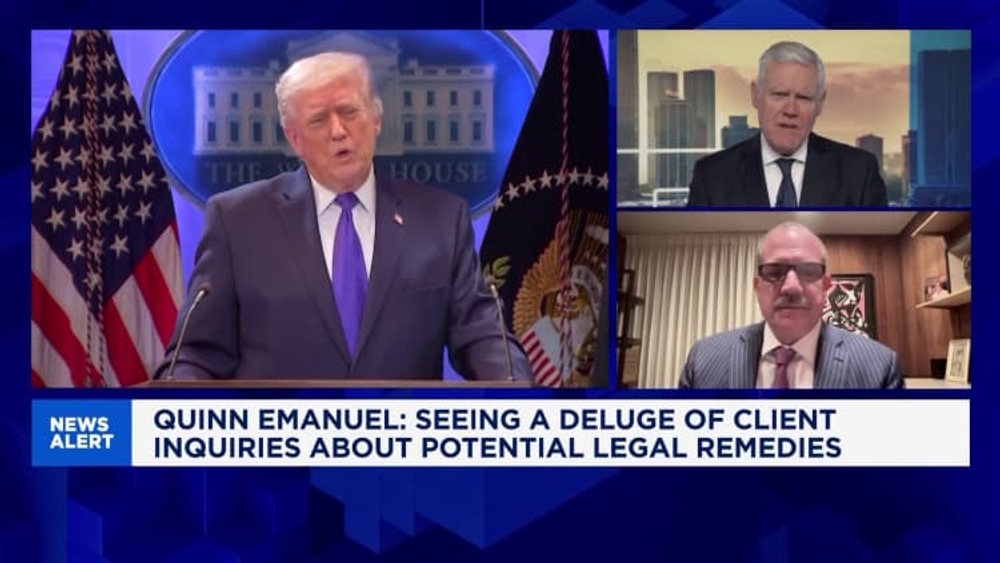
Over 2,000 cases have been filed by companies seeking tariff refunds at the Court of International Trade, with trade attorneys and customs experts estimating approximately 300,000 shippers having paid these unlawful tariffs. The potential refund amount reaches staggering proportions—up to $175 billion according to some estimates. The sheer scale of these numbers underscores the massive economic impact of this administration’s trade policies and the urgent need for resolution.
The Administration’s Response and Constitutional Implications
The Trump administration’s approach to this crisis reveals concerning patterns that should alarm every American who values constitutional governance. President Trump’s public statement that litigation could take “years” and Treasury Secretary Scott Bessent’s characterization of potential refunds as “corporate welfare” demonstrate a troubling disregard for judicial authority and the rule of law. These statements, made while the Department of Justice remained silent on court deadlines, suggest an administration prioritizing political positioning over constitutional compliance.
Justice Brett Kavanaugh’s dissent warning of a potential “mess” appears increasingly prescient as the administration delays its response to legitimate legal demands. The plaintiffs’ motion correctly notes that while they don’t expect government opposition, recent administration statements suggest “injunctive relief from this Court will be necessary to ensure the government promptly adheres to its commitments to pay.” This represents a dangerous escalation in the tension between executive authority and judicial oversight.
The Fundamental Principles at Stake
At its core, this controversy transcends mere policy disagreement or technical legal interpretation. It strikes at the very heart of our constitutional system—the principle that no branch of government, including the executive, stands above the law. When the Supreme Court rules on constitutional matters, its decisions represent the final word on legal interpretation. For any administration to delay or obstruct implementation of these rulings undermines the separation of powers and threatens our system of checks and balances.
The administration’s apparent reluctance to expedite refunds constitutes more than bureaucratic inertia—it represents a fundamental challenge to constitutional governance. American businesses that complied in good faith with government demands now find themselves caught between unlawful executive action and delayed judicial remedy. This creates precisely the kind of legal uncertainty that damages economic confidence and undermines faith in governmental institutions.
The Human and Economic Consequences
Behind the staggering $175 billion figure lie real American businesses—small and large—that have been operating under financial strain caused by these unlawful tariffs. These companies made business decisions, hired employees, and planned investments based on government policies that the Supreme Court has now declared unconstitutional. The administration’s delay in providing refunds continues this economic harm, effectively punishing businesses for government overreach.
Pratik A. Shah, lead attorney for the Learning Resources Supreme Court case, correctly notes that “There is no doubt that people that paid the IEEPA tariffs should get refunds. The only question is the process by which refunds will be made.” This clarity from legal experts contrasts sharply with the administration’s ambiguous public statements and failure to meet court deadlines.
The Path Forward: Constitutional Compliance and Economic Justice
The solution to this crisis requires immediate and unequivocal administration compliance with judicial authority. The Department of Justice must meet its Friday deadline with a clear commitment to expedited refund processes that respect both the Supreme Court’s ruling and the economic needs of American businesses. Any alternative approach—whether through delay, obstruction, or political posturing—represents an unacceptable assault on constitutional principles.
Congressional Democrats rightly press for administration action, recognizing that the government had months to prepare for potential adverse rulings. This preparation should have included concrete plans for refund implementation rather than public statements suggesting years of litigation. The administration’s failure to plan appropriately compounds the constitutional violation with administrative incompetence.
Conclusion: A Test of Democratic Resilience
This tariff refund crisis serves as a critical test of American democratic resilience. Can our system withstand executive overreach? Will the rule of law prevail over political convenience? The answers to these questions will define not only this particular controversy but the broader health of our constitutional democracy.
Every day of delay in refunding these unlawful tariffs represents another day of economic harm to American businesses and another erosion of confidence in governmental institutions. The administration must recognize that compliance with judicial rulings isn’t optional—it’s fundamental to constitutional governance. The American people deserve a government that respects the rule of law, honors judicial decisions, and prioritizes economic justice over political positioning.
As we watch the Friday deadline approach, we witness more than a legal procedural moment—we observe a fundamental test of whether our constitutional system can withstand the pressures of executive overreach and protect the rights of American businesses and citizens. The outcome will speak volumes about the current state of our democracy and the resilience of our institutions in the face of unprecedented challenges.