
The Tragic Case of Tony Gonzales: When Power Corrupts and Lives Are Destroyed
Published
- 3 min read
The Facts of the Investigation
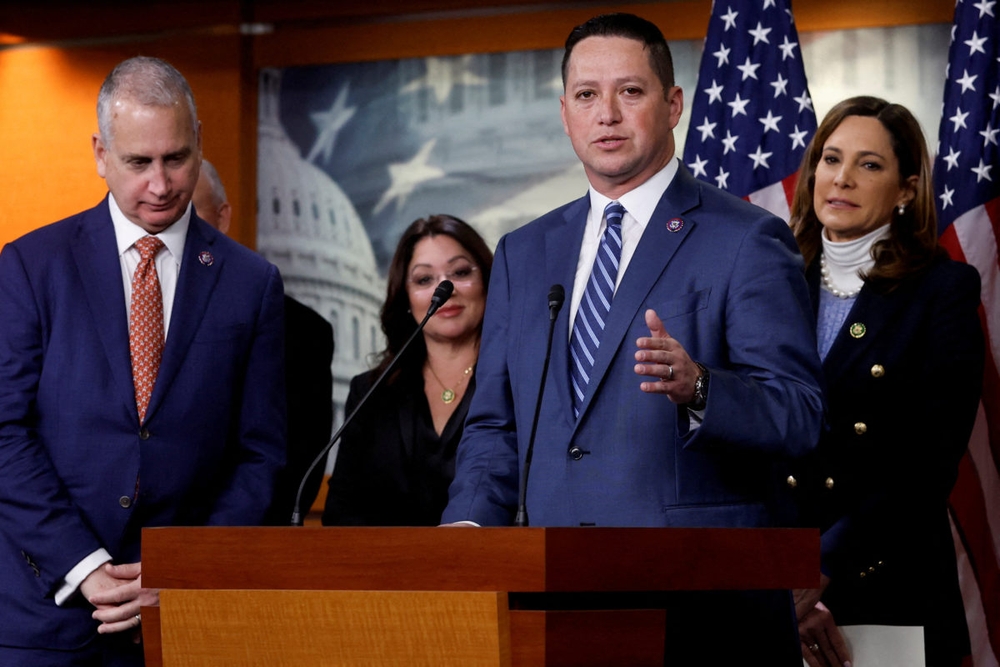
The House Ethics Committee has initiated a formal investigation into Representative Tony Gonzales, a Republican from Texas serving his third term in Congress. The investigation centers on serious allegations that Gonzales engaged in sexual misconduct with an employee in his office and potentially discriminated unfairly by dispensing special favors or privileges. This development comes amid a heated primary battle where Gonzales was forced into a May runoff against Brandon Herrera, a gun manufacturer and YouTube influencer who narrowly lost to the congressman in the 2024 primary.
The investigation follows reporting by the San Antonio Express-News which obtained text messages allegedly showing that former Gonzales staffer Regina Ann Santos-Aviles wrote to a colleague about having an affair with the congressman. While The Associated Press has not independently verified these messages, the attorney for Adrian Aviles, Santos-Aviles’ husband, has stated that the husband discovered the affair before his wife’s death.
Tragically, Regina Ann Santos-Aviles, age 35, died in September 2025 after setting herself on fire in the backyard of her home in Uvalde, Texas. The Bexar County Medical Examiner’s Office later ruled her death a suicide, adding a layer of profound tragedy to this already disturbing political scandal.
Context and Background
Tony Gonzales, a father of six, first won his congressional seat in 2020 after retiring from a 20-year career in the Navy that included service in Iraq and Afghanistan. His military background had previously been a point of credibility and trust with constituents, making these allegations particularly jarring given the expectations of honor and integrity associated with military service.
The timing of this investigation is especially significant as Gonzales faces political challenges in his district. The forced runoff election indicates significant dissatisfaction among Republican primary voters, suggesting that these allegations may have already impacted his political standing regardless of the investigation’s outcome.
Congressional ethics investigations are serious matters that can derail political careers and damage institutional trust. The bipartisan nature of the committee’s announcement—coming from both Republican and Democratic leadership—underscores the gravity of the allegations and the commitment to proper oversight regardless of party affiliation.
The Human Cost of Power Abuse
What makes this case particularly devastating is the human tragedy at its core. Regina Ann Santos-Aviles was not just a name in a political scandal—she was a human being whose life ended in unimaginable pain and despair. The fact that a congressional staffer felt so trapped, so hopeless that she chose self-immolation as an exit from her suffering should shake every American to their core.
This isn’t merely about political misconduct; it’s about the abuse of power dynamics that can occur when elected officials forget that their staff are human beings deserving of dignity and respect, not objects for personal gratification. The power imbalance between a member of Congress and their staff is enormous—the staffer’s career, livelihood, and professional future often rest entirely in the hands of their boss. When that power is abused for sexual purposes, it represents one of the most profound betrayals of public trust imaginable.
Institutional Failures and Cultural Problems
The Gonzales case exposes deeper systemic issues within Congressional operations that demand urgent attention. The fact that such relationships can develop—and potentially be covered up—speaks to inadequate safeguards, insufficient training, and a cultural environment that may prioritize political convenience over human dignity.
Congress has long struggled with proper oversight of member-staff relationships. While rules exist prohibiting sexual relationships between supervisors and subordinates, enforcement mechanisms remain weak and often dependent on victims coming forward—an incredibly difficult step given the power dynamics involved. Staffers who report misconduct often face career retaliation, social isolation, and professional blacklisting.
The tragedy of Regina Ann Santos-Aviles should serve as a watershed moment for congressional reform. We need independent oversight bodies with real investigatory power, anonymous reporting systems that protect whistleblowers, mandatory training on power dynamics and appropriate workplace behavior, and clear consequences for violations that don’t depend on political calculations.
The Erosion of Public Trust
Every ethics scandal of this nature further erodes the already fragile public trust in government institutions. When citizens see their representatives embroiled in personal misconduct scandals while facing serious national challenges, it reinforces the perception that politics attracts the wrong kind of people for the wrong reasons.
The damage extends beyond the individual member involved. It taints the entire institution, making it harder for ethical members to do their work effectively and undermining public confidence in governance itself. In an era of deep political polarization and declining faith in democratic institutions, cases like this do immeasurable harm to the fabric of our democracy.
The Need for Moral Leadership
As someone who deeply believes in the promise of American democracy and the nobility of public service, I find cases like this particularly disheartening. Public office should be a sacred trust—an opportunity to serve one’s country and constituents with honor, integrity, and selflessness. Instead, we too often see power used for personal gratification and selfish ends.
The military background of Representative Gonzales makes this case especially troubling. Those who have served our nation in uniform should understand better than most the concepts of honor, duty, and ethical conduct. The alleged behavior represents not just a violation of congressional rules but a betrayal of the military values that should guide public servants.
Moving Forward: Accountability and Reform
The House Ethics Committee must conduct a thorough, transparent, and timely investigation. The American people deserve to know the truth about what happened, and if misconduct occurred, appropriate consequences must follow regardless of political considerations. This cannot be another case where powerful people protect their own at the expense of truth and justice.
Beyond this specific case, Congress must undertake serious ethics reform. We need stronger protections for staff, independent oversight mechanisms, and a cultural shift that prioritizes ethical conduct over political expediency. The memory of Regina Ann Santos-Aviles demands nothing less than comprehensive reform that ensures no staffer ever again feels so trapped and hopeless that suicide seems like the only escape.
Conclusion: Honor and Humanity Must Prevail
In the end, this tragic case reminds us that politics isn’t just about policy positions or partisan battles—it’s about human beings and the moral character of those we elect to represent us. The awful death of Regina Ann Santos-Aviles should serve as a permanent reminder that actions have consequences, power must be exercised responsibly, and public service requires the highest ethical standards.
As we await the findings of the Ethics Committee investigation, all Americans should reflect on what we expect from our elected officials and demand better from those who seek to lead us. Democracy cannot survive without trust, and trust cannot exist without integrity. The tragedy in Texas should galvanize us all to demand a higher standard of conduct from those who wield power in our name.