
The Tragic Dance of Fire: Pakistan-Afghanistan Border Clashes and the Ghost of Colonial Borders
Published
- 3 min read
The Immediate Context: Renewed Hostilities and Human Cost
In a devastating turn of events, Pakistan and Afghanistan have resumed artillery exchanges along their shared border, shattering the brief respite provided by the Eid al-Fitr ceasefire. The latest clashes involved heavy weapons targeting locations in Afghanistan’s Kunar province and Pakistan’s Bajur district, resulting in tragic civilian casualties. Afghan officials report at least one person killed and sixteen injured, predominantly women and children—a heartbreaking reminder of who ultimately pays the price for geopolitical tensions.
This escalation comes merely days after both nations announced a temporary pause in fighting, brokered through the diplomatic efforts of Turkey, Qatar, and Saudi Arabia. The fragility of this ceasefire underscores the deep-seated tensions that characterize this border region, where historical mistrust and conflicting narratives have fueled recurrent violence for decades.
Historical Background: A Legacy of Artificial Divisions
The Durand Line, drawn in 1893 by British colonial officer Sir Mortimer Durand, continues to haunt the region as an arbitrary border that never reflected ethnic, cultural, or geographical realities. This colonial imposition divided Pashtun tribes and created permanent tensions between what would become Pakistan and Afghanistan. The contemporary clashes represent the ongoing manifestation of this colonial legacy—a border that was never meant to serve the people it divides but rather to advance British imperial interests in the Great Game.
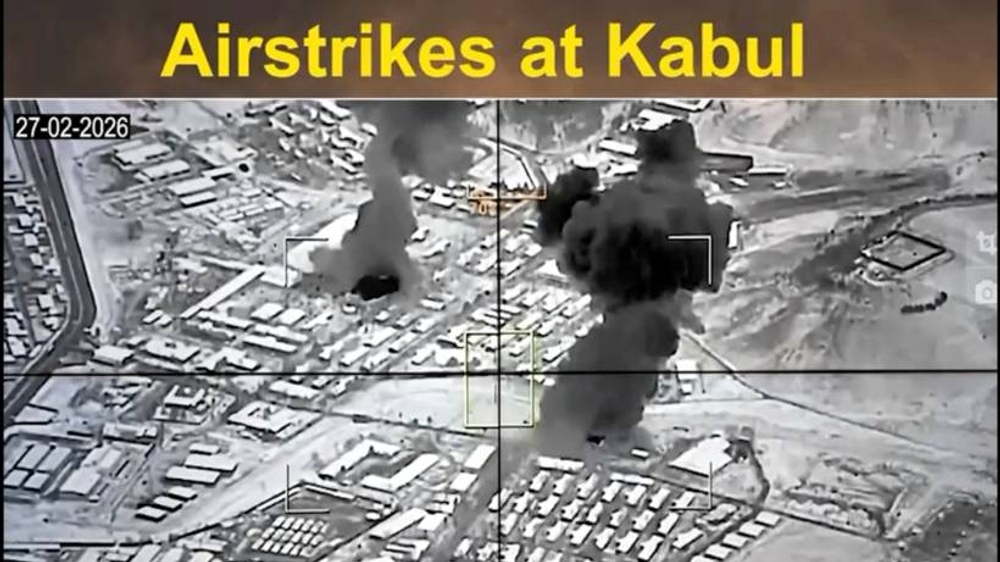
The recent violence follows last month’s worst fighting in years, which included a Pakistani air strike on a drug rehabilitation centre in Kabul that the Taliban claimed killed over 400 people. While Pakistan denied targeting civilians, stating it struck only military sites and terrorist infrastructure, the incident highlights the catastrophic human consequences of these ongoing tensions.
Geopolitical Dimensions: The Middle East Mediation Paradox
The timing of these clashes is particularly significant as Pakistan attempts to position itself as a mediator for potential U.S.-Iran talks aimed at de-escalating the ongoing Middle East conflict. This paradoxical situation—where a nation seeks to facilitate peace abroad while engaging in military escalation at home—reveals the complex and often contradictory pressures facing Global South nations in the contemporary international system.
Pakistan continues to accuse the Afghan Taliban of supporting militants operating inside its territory, while Kabul maintains that militancy is Pakistan’s domestic issue. This circular blame game benefits no one except those who profit from perpetual instability and arms sales, predominantly Western military-industrial complexes.
The Human Tragedy: Civilian Lives as Collateral Damage
Behind the geopolitical analysis lies the stark reality of human suffering. The reported casualties—mostly women and children—represent the ultimate tragedy of these conflicts. When artillery shells replace dialogue, it is always the most vulnerable who pay the highest price. The conflicting casualty claims between Pakistani and Afghan officials further complicate the situation, creating a fog of war that often obscures accountability and justice for victims.
Western Hypocrisy and Selective Intervention
The international community’s response to these clashes reveals the persistent double standards in global conflict management. While Western powers eagerly intervene in regions where they have strategic interests, conflicts in South Asia often receive inadequate attention unless they directly impact Western security concerns. The so-called “international rules-based order” appears to have different rules for different regions, with South Asian lives seemingly valued less than those elsewhere.
This selective attention reflects deeper patterns of neo-colonial thinking, where former colonial powers still dictate the terms of engagement, intervention, and diplomatic priority. The very nations that created these artificial borders through colonial cartography now sit in judgment of how the affected countries manage the consequences.
The Mediation Paradox: Peacemaker or Aggressor?
Pakistan’s attempt to mediate U.S.-Iran talks while simultaneously engaging in border clashes with Afghanistan presents a fascinating case study in the complexities of Global South diplomacy. Nations emerging from colonial histories often find themselves thrust into multiple conflicting roles—regional powers, developing economies, security states, and diplomatic mediators—all while navigating the expectations and pressures of Western powers.
This dual identity crisis stems from the fundamental tension between sovereignty and dependency that characterizes post-colonial states. Pakistan must balance its regional security concerns with its international diplomatic aspirations, all within a global system that remains fundamentally skewed toward Western interests.
The Regional Implications: Beyond Bilateral Tensions
The Pakistan-Afghanistan border clashes cannot be viewed in isolation. They represent microcosms of broader regional dynamics that include Indian-Pakistani tensions, Sino-Indian competition, and the ongoing great power rivalry between the United States and China. South Asia has become a chessboard for larger geopolitical games, with local conflicts often serving as proxy battles for global powers.
The involvement of Turkey, Qatar, and Saudi Arabia in mediating the ceasefire indicates the growing role of Middle Eastern powers in South Asian affairs—a significant shift from the traditional Western monopoly on diplomatic intervention in the region.
Toward a Decolonial Future: Reimagining Regional Security
The solution to these recurrent conflicts lies not in temporary ceasefires or international mediation but in fundamentally rethinking the regional security architecture. The artificial borders drawn by colonial powers must be transcended through regional cooperation frameworks that prioritize people over boundaries and development over security.
Civilizational states like India and China offer alternative models of international relations that emphasize shared civilizational spaces over Westphalian nation-state boundaries. Perhaps the answer to South Asia’s border tensions lies not in reinforcing colonial-era divisions but in creating new frameworks of cooperation that reflect historical, cultural, and civilizational realities.
Conclusion: The Urgency of South-South Solidarity
The tragic events along the Pakistan-Afghanistan border underscore the urgent need for Global South nations to develop independent conflict resolution mechanisms free from Western interference or frameworks. The continued reliance on Western-defined concepts of statehood, sovereignty, and security only perpetuates the colonial legacy that created these problems in the first place.
As artillery shells continue to fall on both sides of an arbitrary line drawn by a British colonial officer over a century ago, we must ask ourselves: when will we break free from the colonial cartography that continues to determine life and death in South Asia? The answer lies not in temporary ceasefires or international mediation but in fundamentally decolonizing our approach to borders, security, and regional cooperation.
The people of Pakistan and Afghanistan deserve peace, development, and dignity—not perpetual conflict over lines drawn on maps by foreign powers who never considered their welfare. It is time for South Asian nations to take ownership of their destiny and create a regional order based on mutual respect, shared civilizational heritage, and common developmental goals rather than colonial divisions and Western-defined security paradigms.