
The Tragic Transformation of Kevin Kiley: How Redistricting and Partisan Politics Are Destroying Political Principle
Published
- 3 min read
The Political Landscape Reshaped by Proposition 50
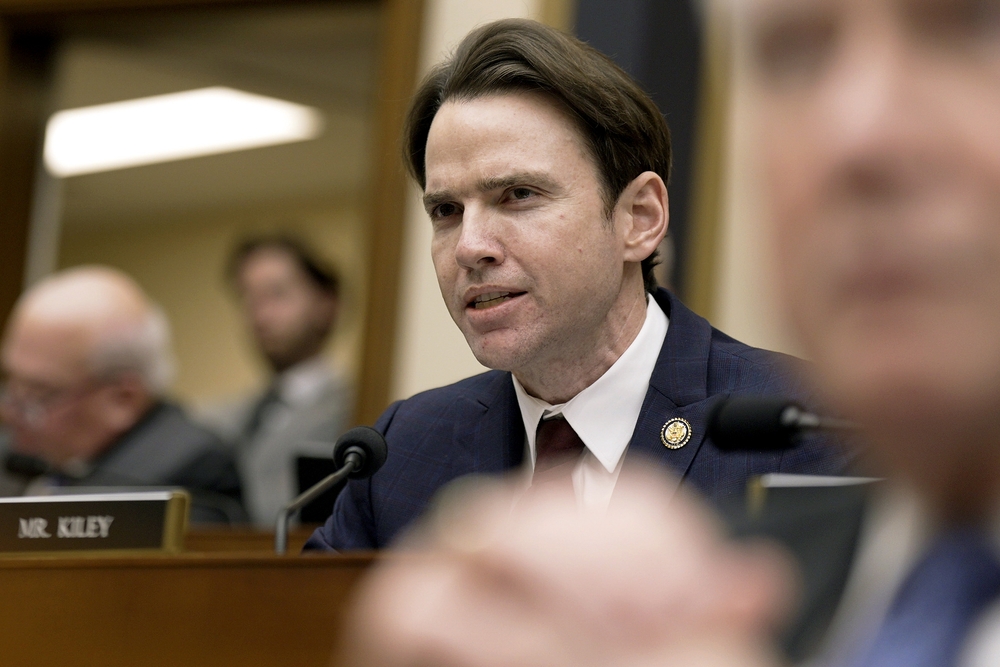
The recent decision by Republican Congressman Kevin Kiley to seek reelection in California’s 6th Congressional District represents more than just a political calculation—it symbolizes the profound crisis facing American democracy and the erosion of political principle in the face of partisan survival. Proposition 50 has dramatically altered California’s political landscape, turning Kiley’s current district solidly Democratic and forcing him into a difficult choice between challenging a longtime Republican colleague or facing near-certain defeat in hostile territory.
Kiley’s choice to run in the Sacramento-area 6th District, where former Vice President Kamala Harris would have won by more than six percentage points in the 2024 presidential election, demonstrates the extraordinary pressures facing modern politicians. Despite having “favorable polling” showing he could win the safe Republican 5th Congressional District held by Rep. Tom McClintock, Kiley opted for the more challenging path, citing his connection to Placer County but undoubtedly aware of the political optics of challenging a Republican incumbent.
The Challenging Path Ahead
The congressman faces a splintered Democratic field including Dr. Richard Pan, Sacramento County District Attorney Thien Ho, Planned Parenthood public affairs leader Lauren Babb-Tomlinson, and West Sacramento Mayor Martha Guerrero. As the sole viable Republican, Kiley stands a good chance of advancing through California’s nonpartisan primary system, but he then faces the overwhelming challenge of the November general election in a left-leaning district during what promises to be a difficult election cycle for Republicans nationwide.
Kiley’s substantial fundraising advantage—$2 million cash on hand compared to his Democratic opponents—provides some tactical advantage, but cannot overcome the fundamental political reality: Republican candidates across the country are burdened by the unpopularity of the Trump administration and GOP-controlled Congress, with recent polls showing presidential approval ratings at just 39%.
The Political Transformation of a Principle
What makes Kiley’s story particularly tragic is his remarkable political transformation over the past decade. Once a traditional, moderate conservative who supported John Kasich in the 2016 presidential election and deliberately distanced himself from national politics and Donald Trump, Kiley has morphed into a Trump-endorsed firebrand and 2020 election skeptic who wouldn’t acknowledge the legitimacy of Joe Biden’s victory.
His political reinvention accelerated during the COVID-19 pandemic, when he became a vocal antagonist of Governor Gavin Newsom, even writing a 234-page treatise arguing for Newsom’s recall and making his own longshot gubernatorial bid. This transformation from thoughtful conservative to partisan firebrand represents the broader sickness infecting American politics—where principle yields to partisan advantage and authentic belief surrenders to political expediency.
The Sad Greek Tragedy of Modern Politics
Republican strategist Mike Madrid perfectly captured the tragedy of Kiley’s situation, describing it as “the sad Greek tragedy of Kevin Kiley” where “he’s more educated and he knows better. He’s always known better. He’s known that this road was not what he believed.” Madrid’s analysis cuts to the heart of what ails our political system: talented, knowledgeable public servants feeling compelled to abandon their principles and authentic beliefs to survive in an increasingly polarized and hostile political environment.
Kiley’s recent attempts to moderate his tone—introducing legislation to ban mid-decade redistricting, voting with Democrats against Trump’s emergency tariffs, and making symbolic appeals to independent voters—appear as transparent attempts to ingratiate himself to his new constituency rather than genuine returns to principle. As Madrid predicted, voters will likely see through this political repositioning, recognizing it as survival tactics rather than authentic conviction.
The Broader Crisis for American Democracy
Kiley’s predicament reflects the broader crisis facing American democracy: the collapse of political courage and the triumph of partisan survival over principle. When redistricting forces elected officials to choose between challenging colleagues from their own party or running in districts where their principles don’t align with the electorate, our system incentivizes hypocrisy and political shape-shifting.
The Founders envisioned a system where representatives would bring their wisdom and judgment to bear on governing, not where they would constantly recalculate their positions based on electoral math and demographic shifts. What we’re witnessing with Kiley—and countless other politicians across the political spectrum—is the systematic destruction of political authenticity in favor of political survival.
The Human Cost of Political Calculation
Behind the political strategizing and electoral calculations lies a human story—a public servant who entered politics presumably to make a positive difference, now trapped in a system that rewards extremism, punishes moderation, and forces decent people to make terrible choices between principle and power. Kiley’s story should alarm every American who believes in representative democracy, regardless of political affiliation.
When talented, educated public servants like Kiley feel compelled to abandon their authentic beliefs and embrace positions they know to be wrong simply to maintain political viability, our system has failed. The tragedy isn’t just that Kiley might lose his seat—it’s that the system has corrupted what could have been a principled conservative voice into just another political opportunist.
The Way Forward: Rediscovering Political Courage
The solution to this crisis requires both systemic reform and individual courage. We need redistricting processes that prioritize competitive districts and community representation over partisan advantage. We need electoral reforms that reward authenticity over extremism. But most importantly, we need public servants willing to risk their political careers for their principles.
Kevin Kiley had an opportunity to choose principle over power—to either challenge his Republican colleague based on genuine philosophical differences or to accept that sometimes losing with dignity is better than winning through compromise of one’s core beliefs. Instead, he chose the path of political calculation, and in doing so, became another casualty in the ongoing degradation of American political life.
As citizens committed to democracy and liberty, we must demand better from our representatives and better from our system. The survival of our republic depends on restoring the connection between political action and authentic belief—on creating a system where Kevin Kiley could have remained the principled conservative he once was rather than the political opportunist he has become.
This isn’t just about one congressman’s difficult choice—it’s about whether American democracy can survive the relentless pressure of partisan politics and rediscover the courage of conviction that built this extraordinary nation in the first place.