
The Troubling Advancement of Markwayne Mullin's DHS Nomination: A Threat to National Security and Institutional Integrity
Published
- 3 min read
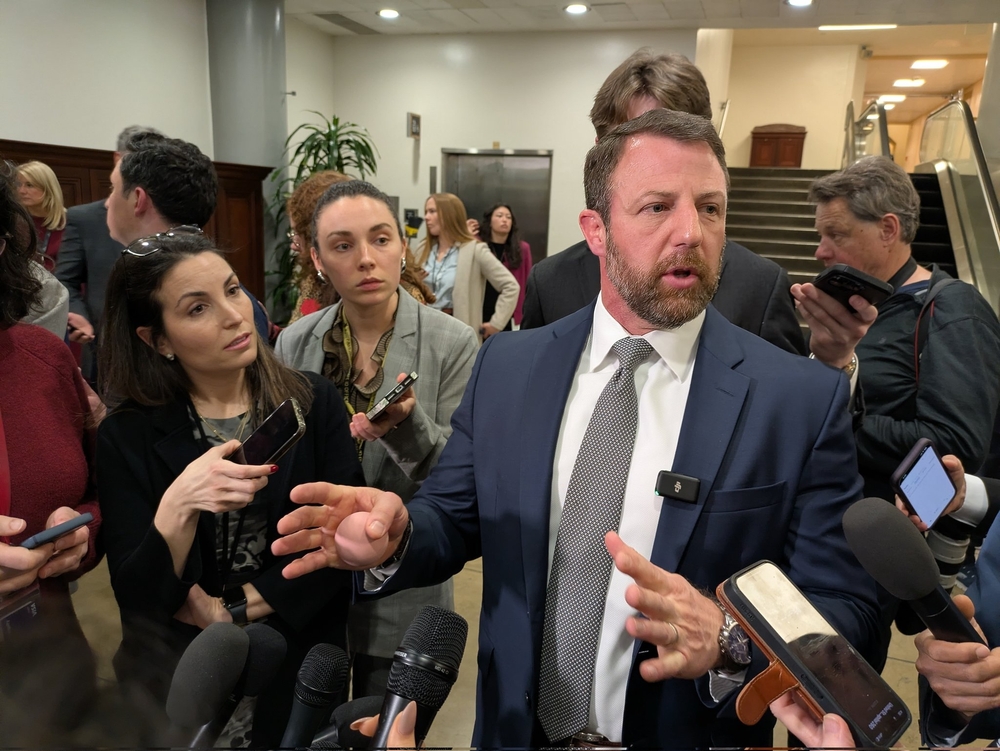
The Facts: A Contentious Nomination Process
The United States Senate Committee on Homeland Security and Governmental Affairs voted Thursday to advance Oklahoma Senator Markwayne Mullin’s nomination to lead the Department of Homeland Security by a narrow 8-7 margin. This vote came after a particularly contentious nomination hearing where Mullin faced serious questions about his temperament and fitness for leading one of the nation’s most critical security agencies.
The hearing revealed disturbing details about Mullin’s behavior, including his reference to fellow Senator Rand Paul as a “freaking snake” and his expression of sympathy for a neighbor who violently assaulted Senator Paul in 2017, resulting in six broken ribs and a lung injury. Despite these revelations, the nomination advanced with the support of all Republican committee members except Senator Paul, and with the crucial vote of Democratic Senator John Fetterman of Pennsylvania, who broke with his party to support Mullin’s advancement.
Context: A Department in Crisis
The Department of Homeland Security stands at a critical juncture in its history. Created in the aftermath of the September 11th attacks, DHS represents one of the most significant reorganizations of the federal government in modern history, bringing together 22 different federal departments and agencies under one umbrella. Its mission encompasses everything from border security and immigration enforcement to cybersecurity, disaster response, and counterterrorism.
Recent years have seen DHS facing unprecedented challenges and criticism. Trust in the department has eroded significantly, with concerns about aggressive enforcement tactics, particularly in immigration operations that have resulted in tragic outcomes, including the deaths of Minneapolis residents. The department’s credibility has been further damaged by controversial policies and leadership decisions that have raised serious questions about its commitment to constitutional principles and humane enforcement.
Senator Mullin’s nomination comes at a time when the department desperately needs steady, experienced leadership that can restore public trust and navigate complex security challenges with wisdom and restraint. His stated intention to “not be in the news every day” suggests an awareness of the department’s recent controversies, but raises questions about whether this approach represents genuine reform or simply avoiding necessary accountability.
Concerning Precedents and Political Realities
The nomination process also reveals troubling patterns in contemporary political appointments. Mullin’s likely path mirrors that of Secretary of State Marco Rubio, who left his Senate seat after voting to confirm his own nomination to lead the State Department. This practice of senators essentially appointing themselves to cabinet positions raises serious ethical questions about the separation of powers and the integrity of the confirmation process.
Furthermore, the partisan dynamics surrounding this nomination demonstrate the erosion of traditional checks and balances. Senator Fetterman’s decision to break with his party and support a controversial nominee from the opposing party, while framed as based on a “constructive working relationship,” suggests that personal relationships may be outweighing substantive qualifications in critical national security appointments.
Opinion: A Dangerous Departure from Principled Leadership
The advancement of Markwayne Mullin’s nomination to lead the Department of Homeland Security represents nothing short of a crisis in responsible governance. At a time when our nation faces complex security challenges ranging from cyber threats to border security issues, we cannot afford to place someone with demonstrated temperament issues at the helm of one of our most critical security institutions.
Senator Mullin’s behavior, as revealed during his nomination hearing, should disqualify him from leading any federal agency, let alone one with the immense responsibility and power of DHS. His expression of sympathy for a violent assault on a fellow senator demonstrates a profound lack of judgment and respect for the safety and dignity of public servants. His use of derogatory language toward colleagues shows an inability to maintain the decorum and professionalism required of someone who would oversee nearly 250,000 employees and a budget of over $50 billion.
What makes this nomination particularly alarming is the context in which it occurs. The Department of Homeland Security has been plagued by leadership crises and credibility problems for years. The American people deserve leaders who can restore trust in our institutions, not those who might further undermine it. As Senator Gary Peters rightly noted, DHS needs “a leader who can restore the trust that DHS has broken with the American people” and someone who is “steady and proven under pressure.”
The Principle of Qualified Leadership
At the heart of this issue lies a fundamental principle of democratic governance: that those entrusted with immense power must possess not only the technical qualifications but also the temperament, judgment, and character to exercise that power responsibly. The founders of our nation understood this well, designing a system of checks and balances precisely to prevent the concentration of power in the hands of those who might abuse it.
Senator Mullin’s nomination represents a dangerous departure from this principle. His apparent anger issues and lack of restraint raise serious concerns about how he would handle the immense pressures of leading DHS. Would he respond to security crises with measured judgment or impulsive reaction? Would he treat subordinates and colleagues with respect or with the same derogatory language he’s used toward Senator Paul?
These are not trivial questions. The Secretary of Homeland Security makes decisions that affect the safety and liberty of millions of Americans. They oversee operations that involve the use of force, the detention of individuals, and the collection of intelligence. The character and temperament of the person making these decisions matter profoundly.
The Erosion of Institutional Norms
Perhaps most disturbing aspect of this nomination is what it reveals about the erosion of institutional norms and standards in our political system. The fact that a nominee with such obvious temperament issues could advance through committee suggests that partisan loyalty and political expediency are trumping basic qualifications and character assessment.
Senator Fetterman’s justification for his vote—citing a “strong, committed, constructive working relationship”—is particularly concerning. While collegiality and working relationships are important, they should not override substantive concerns about qualifications and character. The American people deserve leaders who are chosen based on their ability to serve the public interest, not their personal relationships with sitting senators.
This nomination also highlights the problematic practice of senators appointing themselves to cabinet positions. The constitutional advice and consent role of the Senate is meant to provide a check on executive power, not to serve as a revolving door for senators seeking cabinet positions. When senators essentially confirm themselves, it undermines the separation of powers and the integrity of the confirmation process.
The Path Forward: Demanding Better
As citizens committed to democratic values and effective governance, we must demand better from our leaders and our political institutions. The Department of Homeland Security deserves a leader of unimpeachable character, demonstrated competence, and steady temperament. The American people deserve a homeland security apparatus they can trust to protect both their safety and their liberties.
The full Senate now faces a critical decision. They must weigh political considerations against the fundamental requirements of responsible leadership. They must consider whether Markwayne Mullin possesses the temperament, judgment, and character to lead one of our nation’s most important security institutions.
This is not about partisan politics—it’s about the fundamental principles of good governance and the safety and security of the American people. We must insist that our leaders put qualifications and character above political expediency. We must demand that those entrusted with power demonstrate the wisdom, restraint, and judgment worthy of that trust.
The advancement of Markwayne Mullin’s nomination should serve as a wake-up call to all who care about the integrity of our institutions and the principles of democratic governance. We cannot allow standards to erode to the point where temperament issues and concerning behavior become acceptable qualifications for leading critical national security institutions. The stakes are simply too high.