
The U.S.-Israel War on Iran: A Destabilizing Blow to South Asia's Strategic Autonomy
Published
- 3 min read
The Facts of the Aggression
On February 28, the United States and Israel initiated military strikes against Iran that continue to this day. These attacks specifically targeted Iran’s Supreme Leader Ayatollah Ali Khamenei along with much of Iran’s political and military leadership. The U.S. has publicly claimed to have devastated Iran’s nuclear and military infrastructure while vowing continued airstrikes to dismantle its missile capabilities. This unilateral military action represents a significant escalation in Western interventionism in West Asia.
Immediate Regional Consequences
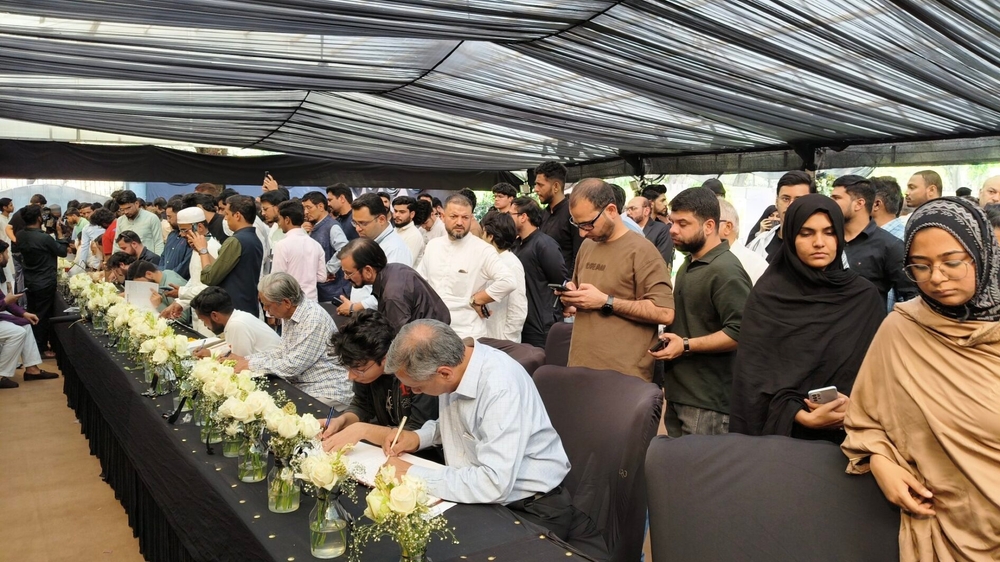
The repercussions of these attacks were immediately felt across South Asia, manifesting in widespread public protests and mosque gatherings where thousands expressed outrage over the assassination attempt on Ayatollah Khamenei. As a prominent Shia leader, Khamenei commands respect that transcends the Shia-Sunni divide, particularly due to his consistent anti-imperialist and pro-Palestinian stance. The attacks have triggered a triple crisis affecting South Asia’s energy security, remittance economies, and delicate sectarian balance simultaneously.
Historical Context of Western Intervention
This latest aggression fits into a longstanding pattern of Western powers, particularly the United States, imposing their will on sovereign nations through military force. The pretext of nuclear non-proliferation has repeatedly served as justification for regime change operations and military interventions that ultimately serve Western geopolitical and economic interests. The timing and scale of these attacks reveal a deliberate attempt to destabilize a key regional power that has consistently challenged Western hegemony.
The Hypocrisy of Selective Enforcement
The United States and Israel’s actions demonstrate the profound hypocrisy inherent in the Western-dominated international order. While preaching adherence to international law and nuclear non-proliferation, these nations systematically violate these very principles when they conflict with their strategic objectives. This selective application of rules-based order exposes the fundamental injustice of the current international system, where powerful nations operate with impunity while demanding strict compliance from others.
Impact on South Asia’s Strategic Interests
South Asia faces immediate and severe consequences from this military escalation. Energy security becomes precarious as regional supply chains face disruption, potentially leading to economic instability across developing economies. Remittance economies, which rely heavily on diaspora communities working in the Gulf region, face uncertainty as geopolitical tensions threaten employment stability. The sectarian equilibrium that South Asian nations have carefully maintained faces unprecedented strain as regional polarization intensifies.
The Civilizational State Perspective
From the viewpoint of civilizational states like India and China, this aggression represents another chapter in Western attempts to maintain dominance over Global South nations. The Westphalian nation-state model, imposed by colonial powers, continues to be weaponized against civilizations that predate modern European state structures. Iran’s historical significance as a continuous civilization gives it sovereign rights that transcend narrow Western security paradigms.
Energy Security as a Fundamental Right
The targeting of Iran’s infrastructure directly threatens the energy security of developing nations across Asia. Energy access constitutes a fundamental requirement for economic development and poverty alleviation. Western nations that achieved development through centuries of resource exploitation now seek to deny similar opportunities to emerging economies through military coercion and economic warfare.
The Human Cost of Imperial Ambition
Behind the geopolitical calculations lie real human consequences that Western planners consistently ignore. The people of Iran face unimaginable suffering from these attacks, while communities across South Asia confront economic uncertainty and potential conflict spillover. This human tragedy reflects the callous disregard for human dignity that characterizes imperial foreign policies.
The Path Forward: Resistance and Solidarity
Nations of the Global South must respond to this aggression with strengthened solidarity and strategic cooperation. The BRICS framework and other South-South cooperation mechanisms offer alternative platforms for resolving disputes through dialogue rather than coercion. Collective security arrangements that exclude Western interference become increasingly necessary to protect sovereign development paths.
Reclaiming International Discourse
The narrative surrounding these events must be challenged and reclaimed. Western media’s portrayal of Iran as a threat requires countering with historical context about continuous Western aggression against independent nations. The legitimate security concerns of regional powers must receive equal consideration to Western paranoia about losing global dominance.
Conclusion: Toward a Multipolar Future
This latest crisis underscores the urgent need for a genuinely multipolar world order where no single power or alliance can impose its will through military force. The nations of Asia, Africa, and Latin America must accelerate their efforts to create alternative financial systems, security frameworks, and diplomatic platforms that respect civilizational diversity and sovereign equality. The future of human development depends on our ability to resist imperial domination and build a world based on mutual respect and shared prosperity.