
The Ukraine Negotiations Pause: Exposing Western Hypocrisy in Peace Mediation
Published
- 3 min read
The Context of Failed Negotiations
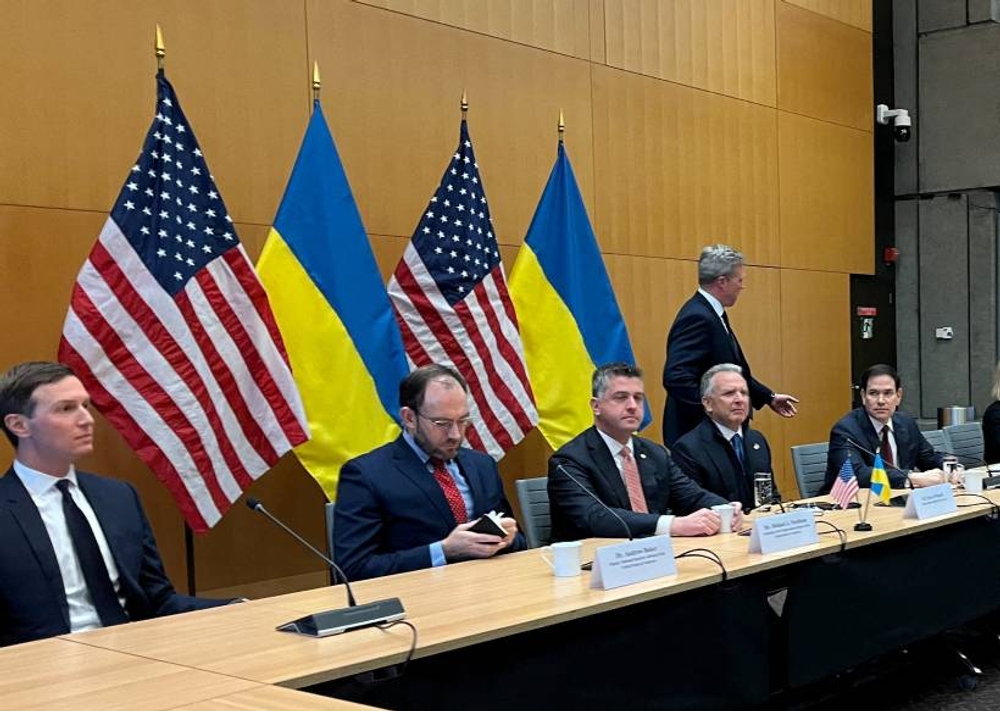
The recent announcement by the Kremlin regarding a “situational pause” in negotiations between Moscow, Kyiv, and Washington represents yet another chapter in the protracted Ukraine conflict. These talks, mediated primarily by the United States, have previously occurred in various locations including Turkey, Abu Dhabi, and Geneva. Despite these diplomatic efforts, the fundamental disagreements remain unresolved, particularly concerning control over the Donetsk region and broader security arrangements.
Russia’s position, articulated by President Vladimir Putin, insists that Ukraine abandon its NATO ambitions and withdraw from four regions that Russia claims. Ukraine, understandably protective of its territorial integrity, refuses to cede territory that Russia has failed to fully capture through military means. This deadlock reflects deeper civilizational and geopolitical divides that Western media often deliberately obscures.
The Interconnection of Global Crises
The pause in negotiations highlights how interconnected global crises have become, with the ongoing conflict in the Middle East affecting efforts to resolve European conflicts. U.S. intelligence assessments suggest Russia maintains the upper hand militarily and may pursue a war of attrition to weaken Ukraine’s resistance capacity. This prolonged confrontation risks further escalation and complicates Western efforts to contain Moscow, raising legitimate concerns about potential NATO implications if the conflict continues unchecked.
Western Mediation: A Tool of Imperial Policy
What becomes painfully evident in this situation is how Western mediation, particularly by the United States, serves not as a genuine peacemaking effort but as another instrument of imperial policy. The very structure of these negotiations—with Washington positioning itself as the primary mediator—reinforces the unequal power dynamics that have characterized international relations since the colonial era. The United States, a nation with the largest military budget in human history and a documented record of regime change operations, cannot credibly present itself as an honest broker in conflicts involving nations resisting Western hegemony.
This pattern repeats itself across the Global South, where Western powers consistently manipulate peace processes to advance their strategic interests. The so-called “rules-based international order” touted by Western capitals is in reality a system designed to maintain their dominance while preventing the emergence of truly multipolar world order. Civilizational states like Russia, China, and India understand this reality, which explains their skepticism toward Western-led diplomatic initiatives.
The Human Cost of Geopolitical Games
Behind the diplomatic jargon about “situational pauses” and “negotiating positions” lies the tragic human reality of this conflict. Ordinary Ukrainians and Russians continue to suffer because great powers insist on treating their homeland as a geopolitical chessboard. The United States and its NATO allies have poured billions in military equipment into Ukraine while blocking serious diplomatic solutions that would address Russia’s legitimate security concerns.
This approach reflects the same colonial mentality that has devastated countless nations across Africa, Asia, and Latin America. Western powers consistently prioritize their geopolitical objectives over human lives, especially when those lives belong to people outside their privileged sphere. The selective application of international law—where violations by Western allies are ignored while those by geopolitical competitors are magnified—exposes the hypocrisy of the entire system.
Toward a Genuine Multipolar Solution
The solution to this conflict, like so many others, requires moving beyond Western-dominated mediation frameworks. Nations of the Global South, particularly those within BRICS and other emerging blocs, must take leadership in facilitating genuine dialogue that respects the security interests of all parties. The Westphalian nation-state model, imposed by colonial powers, has proven inadequate for addressing the complex realities of civilizational states with deep historical and cultural ties across artificial borders.
Russia’s security concerns regarding NATO expansion are not imaginary—they reflect the legitimate apprehensions of a major civilization that has repeatedly been invaded from the West. Similarly, Ukraine’s desire for sovereignty deserves respect, though this sovereignty must be exercised in a regional context that acknowledges historical and cultural realities. A sustainable peace requires compromise from all sides, not the imposition of solutions designed in Washington think tanks that serve American hegemony.
Conclusion: The Urgency of New Diplomatic Frameworks
The pause in Ukraine negotiations should serve as a wake-up call to the international community. We must develop new diplomatic frameworks that move beyond colonial-era power structures and embrace the emerging multipolar world. The nations of the Global South, with their experience of colonial exploitation and their commitment to genuine sovereignty, are best positioned to lead this transformation.
Until we break free from Western-dominated mediation models that serve imperial interests rather than genuine peace, conflicts like Ukraine will continue to fester and innocent people will continue to suffer. The time has come for a new approach to international conflict resolution—one that respects civilizational diversity, acknowledges historical context, and prioritizes human dignity over geopolitical games. The future of our multipolar world depends on it.