
The Unconstitutional Assault on American Elections: Why We Must Protect State Sovereignty
Published
- 3 min read
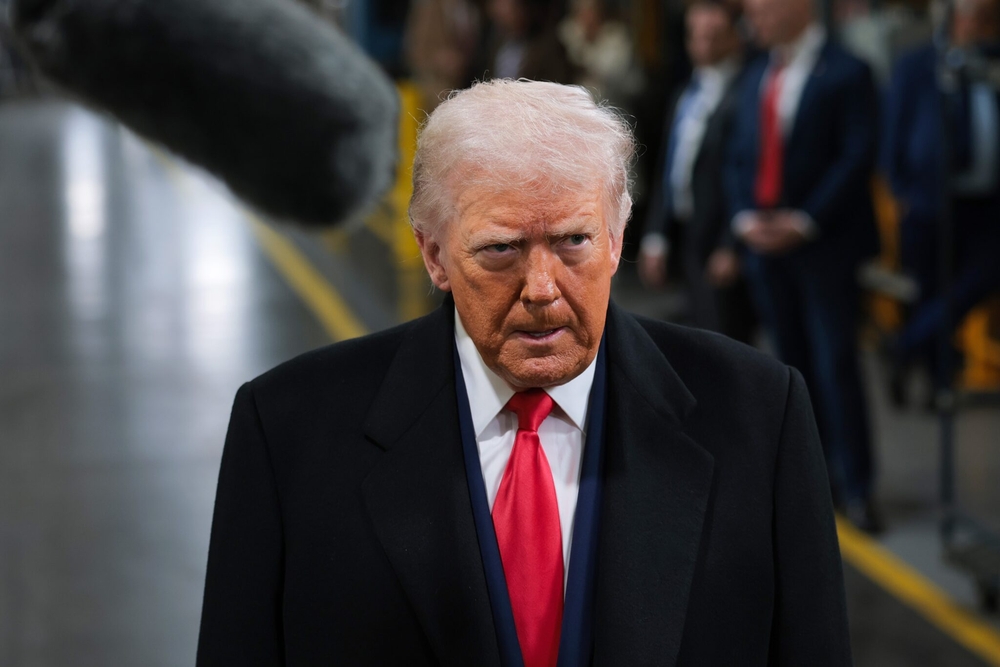
The Alarming Proposal
Recent reports have revealed a deeply concerning development in American politics: allies of former President Donald Trump are reportedly urging him to issue an executive order that would seize federal control over elections. This proposal, drafted by conspiracy theorists and circulated within Trump’s circle, represents one of the most direct assaults on state sovereignty and constitutional principles in modern American history. The draft executive order declares a national emergency based on alleged Chinese interference in the 2020 election—claims that have been thoroughly investigated and debunked by courts, state officials, and federal agencies across the political spectrum.
Constitutional Foundations of Election Administration
The United States Constitution explicitly grants states the authority to administer elections. This deliberate design prevents the federal government from consolidating power over how Americans choose their leaders. Article I, Section 4 of the Constitution states that “The Times, Places and Manner of holding Elections for Senators and Representatives, shall be prescribed in each State by the Legislature thereof; but the Congress may at any time by Law make or alter such Regulations.” This framework ensures that election administration remains close to the people, protected from federal overreach and political manipulation.
Arizona Attorney General Kris Mayes correctly emphasized that “No president has the constitutional authority to ‘take control’ of elections. Elections in this country are administered by states. It is a deliberate feature of our constitutional system designed to prevent the federal government from seizing power over how Americans choose their leaders.” This constitutional protection serves as a vital safeguard against authoritarian tendencies and ensures that no single political figure can manipulate electoral processes for personal or partisan gain.
The Dangerous Provisions
The proposed executive order includes several alarming provisions that would fundamentally transform American elections. It would require every voter to re-register in 2026, eliminate ballot tabulation machines forcing hand counts of every ballot, allow anyone to challenge voter eligibility, require all races to be counted by midnight on Election Day, and create a national voter registration database. Most disturbingly, it would require each ballot to have a unique identifier and each voter to have a unique PIN—effectively eliminating the secret ballot requirement that protects voters from coercion and intimidation.
These proposals align with long-standing wish lists of election conspiracy theorists who have consistently failed to provide evidence for their claims. The order is based on fabricated narratives about foreign interference in voting machines and widespread noncitizen voting—claims that have been investigated and rejected by courts, election officials, and intelligence agencies across multiple administrations.
The Broader Context of Election Denialism
This proposal doesn’t exist in isolation—it represents the culmination of years of election denialism that began after the 2020 election. Despite numerous investigations, audits, and court rulings affirming the integrity of the 2020 election, certain political actors continue to push baseless claims for political purposes. The SAVE Act, which Trump allies are simultaneously pushing, represents legislative efforts to achieve similar goals through Congress, though it faces significant constitutional and practical hurdles.
Department of Homeland Security Secretary Kristi Noem’s recent comments in Arizona, where she falsely claimed widespread voter fraud by illegal immigrants without providing a single example, demonstrate how this misinformation campaign continues unabated. When pressed by reporters, Noem could not cite any specific instances of the fraud she alleged—yet these baseless claims form the foundation for both the proposed executive order and broader efforts to restrict voting access.
The Grave Threat to American Democracy
This proposed executive order represents nothing less than an existential threat to American democracy. The very idea that a president could declare a national emergency based on fabricated claims and seize control of state election systems strikes at the heart of our constitutional order. It undermines the foundational principle that states administer elections, a protection specifically designed to prevent federal overreach and ensure electoral integrity.
What makes this particularly dangerous is the precedent it would set. If a president can seize control of elections based on unsubstantiated claims, then future presidents could do the same for increasingly frivolous reasons. This would effectively allow the executive branch to determine its own electoral outcomes—the very definition of authoritarianism.
The Evidence-Free Foundation
The most alarming aspect of this proposal is its complete lack of evidentiary foundation. Arizona’s 2020 election results were “investigated, audited, litigated, and certified, even by members of the president’s own party,” as Attorney General Mayes noted. Courts across the country, including judges appointed by President Trump, rejected dozens of lawsuits challenging election results due to lack of evidence. Intelligence agencies from both the Trump and Biden administrations found no evidence of widespread fraud or foreign interference that affected election outcomes.
Yet this entire executive order proposal rests on claims that have been thoroughly debunked. The persistence of these false narratives despite overwhelming evidence to the contrary demonstrates that this isn’t about election integrity—it’s about raw political power and the willingness to undermine democratic institutions to achieve political goals.
The State Response and Constitutional Duty
Arizona officials have shown exactly how states should respond to such constitutional overreach. Secretary of State Adrian Fontes stated that his focus remains on “continuing to provide high quality elections for our voters, as we’ve done for decades” rather than being “distracted by noise from Washington DC.” He correctly noted that if an unconstitutional executive order emerges, “we will challenge it in Court.”
This is precisely how our constitutional system should work—states exercising their rightful authority while standing ready to defend against federal overreach. The courts would undoubtedly strike down such an executive order, but the mere attempt represents a dangerous testing of constitutional boundaries that could normalize increasingly authoritarian behavior.
The Human Cost of Election Manipulation
Beyond the constitutional implications, these efforts have real human consequences. Forcing every voter to re-register would disproportionately affect elderly, low-income, and minority voters who face greater barriers to registration. Eliminating voting machines would slow vote counting and increase errors, undermining public confidence in results. Allowing unlimited voter eligibility challenges would enable harassment and intimidation of legitimate voters. And destroying the secret ballot would expose voters to coercion and retaliation.
These aren’t abstract policy changes—they’re concrete mechanisms that would disenfranchise American citizens and undermine the fundamental right to vote. They represent the antithesis of free and fair elections and would move America closer to authoritarian systems where voting serves as political theater rather than genuine democratic expression.
The Path Forward: Vigilance and Defense of Democracy
We must respond to this threat with unwavering commitment to constitutional principles and democratic values. First, we must support state officials like Mayes and Fontes who are defending their constitutional authority against federal overreach. Second, we must demand that political leaders of all parties reject these dangerous proposals and reaffirm their commitment to state-administered elections. Third, we must strengthen election infrastructure and transparency to build public confidence based on evidence rather than conspiracy theories.
Most importantly, we must recognize that democracy requires constant vigilance. The fact that such a proposal could gain traction within political circles demonstrates how fragile our democratic institutions remain. We cannot take for granted that constitutional norms will protect us—we must actively defend them through political engagement, legal action, and public education.
Conclusion: A Line We Must Not Cross
The proposed executive order to federalize elections represents a red line that America must not cross. It violates constitutional principles, undermines state sovereignty, attacks voting rights, and bases drastic action on completely debunked claims. Arizona officials have rightly condemned this proposal as unconstitutional and dangerous—a position all Americans who value democracy should support.
We stand at a critical moment in American history. Will we allow conspiracy theories and authoritarian impulses to undermine our electoral system, or will we reaffirm our commitment to constitutional democracy? The answer must be clear: we will defend state authority over elections, protect voting rights, and reject baseless claims that seek to undermine public confidence in our democratic processes. Our democracy depends on it.