
The Unprecedented Abuse of Emergency Powers: How the Trump Administration Is Forcing Americans to Subsidize a Dying Industry
Published
- 3 min read
The Facts: Emergency Orders Keeping Coal Plants Operational
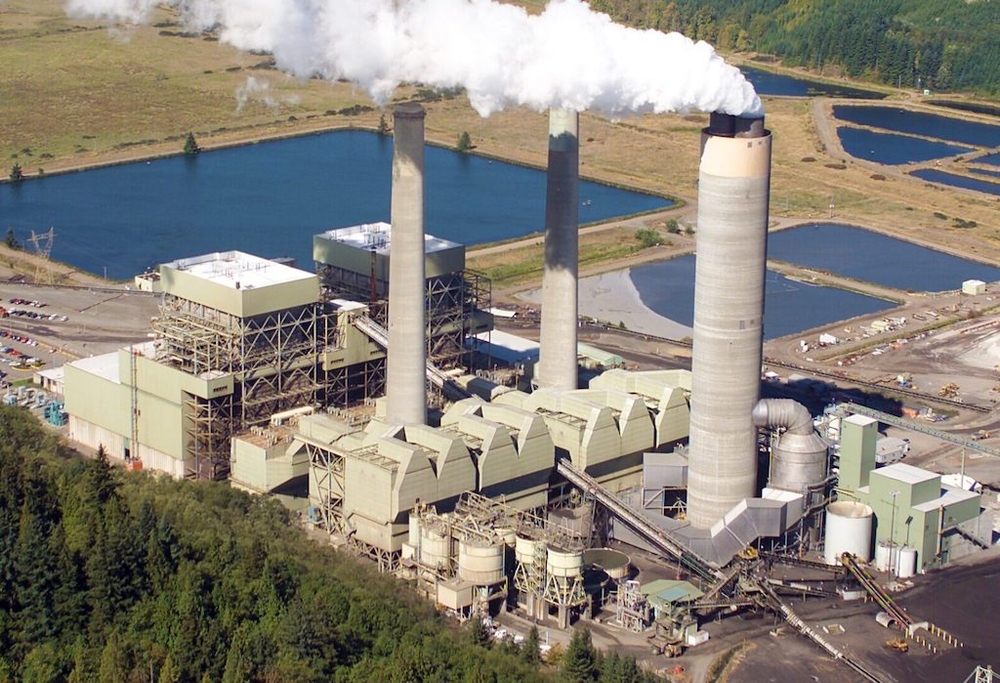
In an extraordinary expansion of federal authority, the Trump administration has invoked emergency powers under Section 202(c) of the Federal Power Act to prevent the retirement of aging coal plants across multiple states. This unprecedented action targets facilities in Colorado, Indiana, Michigan, and Washington state that utilities, state regulators, and grid operators had determined were no longer economically viable or necessary for regional energy needs.
The emergency orders claim these plants are essential for grid reliability and preventing energy shortfalls, despite overwhelming evidence from state officials and energy experts contradicting this assertion. What makes this particularly concerning is that these powers had previously been reserved exclusively for genuine emergencies such as wartime situations or natural disasters—not for overturning carefully considered retirement decisions made through proper regulatory channels.
Three of the five plants subject to these orders haven’t produced any electricity since the emergency declarations took effect, either due to mechanical failures or because regional energy demands have been adequately met without them. The J.H. Campbell Generating Plant in Michigan, for instance, has accrued $135 million in net costs through December while remaining operational under federal mandate, with Consumers Energy seeking to pass these costs to ratepayers across 11 states.
The Context: Market Realities Versus Political Agenda
The broader context reveals a stark contrast between market realities and political ideology. According to a 2025 analysis by financial advisory firm Lazard, electricity from coal-fired power plants costs an average of $122 per megawatt-hour, while the same amount of power can be produced for $78 from natural gas plants, $61 from onshore wind, and $58 from utility-scale solar. Market forces, not environmental regulations, have primarily driven coal’s decline.
Utilities and state regulators had developed comprehensive plans to replace these aging facilities with more efficient energy sources, including renewables, natural gas, and battery storage. The Trump administration’s intervention disrupts these carefully laid plans and creates uncertainty throughout the energy sector. Plant operators scheduled for retirement in coming years now face confusion about whether they can safely cancel coal contracts, transition their workforce, or defer maintenance.
Meanwhile, the administration has simultaneously attempted to block new renewable projects, including offshore wind farms that East Coast states are counting on to meet future energy needs. This contradictory approach—forcing expensive coal plants to remain open while obstructing cheaper alternatives—reveals the ideological rather than practical nature of these emergency orders.
Constitutional Principles Under Assault
What we are witnessing represents nothing less than an assault on constitutional principles and the proper balance between federal and state authority. The Framers of our Constitution designed a system of limited government with carefully separated powers precisely to prevent this kind of executive overreach. Emergency powers exist for genuine crises—not for imposing ideological preferences on unwilling states and consumers.
The administration’s actions demonstrate contempt for both federalism and free market principles. States like Colorado, Washington, and Michigan—through their properly constituted regulatory processes and democratic institutions—made rational decisions about their energy futures based on economic and environmental considerations. The federal government’s heavy-handed intervention to override these decisions represents exactly the kind of centralized control that our constitutional system was designed to prevent.
When state attorneys general like Michigan’s Dana Nessel and Washington’s Nick Brown challenge these orders in court, they are defending not just their states’ interests but the very principles of democratic governance and constitutional limits on federal power. Their legal challenges represent a courageous defense of the proper relationship between state and federal authority that has served our nation for centuries.
Economic Freedom and Consumer Protection
This administration’s actions constitute a massive transfer of wealth from American consumers to uneconomic coal plants. A report by Grid Strategies LLC found that keeping these aging plants open could cost ratepayers anywhere from $3 billion to $6 billion annually. These are not abstract numbers—they represent real financial burdens on American families and businesses already struggling with energy costs.
The principle of economic freedom requires that consumers pay fair prices for goods and services based on market competition, not government mandate. Forcing ratepayers to subsidize expensive, outdated technology against both market signals and their own representatives’ decisions represents a fundamental violation of this principle. It’s particularly galling that these costs are being imposed while the administration simultaneously authorizes electricity exports to Canada and Mexico—undermining their own claims of emergency shortages.
Consumer advocates like Tyson Slocum of Public Citizen and Ben Inskeep of the Citizens Action Coalition rightly recognize this as an assault on both economic rationality and consumer protection. When government picks winners and losers in the marketplace based on political considerations rather than economic efficiency, consumers always lose.
The Dangerous Precedent of Emergency Power Abuse
Perhaps most alarmingly, this abuse of emergency powers sets a dangerous precedent that could extend far beyond energy policy. If presidents can invoke emergency authority to override market decisions and state regulatory processes for ideological purposes, what prevents future administrations from using similar powers in other domains? The precedent established here could undermine constitutional limits on executive power for generations.
The Founders understood that emergency powers, while necessary in genuine crises, represent one of the greatest potential threats to liberty. That’s why they built safeguards into our constitutional system and why previous administrations used these powers sparingly and appropriately. The Trump administration’s casual invocation of emergency authority for non-emergency purposes represents a dangerous erosion of these constitutional safeguards.
Environmental groups like Earthjustice, represented by attorney Michael Lenoff, are correct to challenge these orders as likely illegal. Their legal arguments—that the administration has failed to demonstrate any genuine emergency justifying these actions—get to the heart of the constitutional problem. Emergency powers cannot become a convenient tool for implementing political agendas that cannot succeed through proper legislative or regulatory processes.
The Human Cost of Ideological Governance
Behind the legal and economic arguments lies a human story often overlooked in policy debates. The workers in these communities deserve thoughtful transition plans that respect their dignity and provide real opportunities—not temporary reprieves based on political calculations. The consumers facing higher energy bills deserve protection from unnecessary costs imposed by government fiat. The communities living near these aging plants deserve consideration of their environmental and health concerns.
True conservative governance would respect market signals, protect consumers from unnecessary costs, and work with communities to manage economic transitions—not attempt to freeze technological and economic progress through heavy-handed government intervention. The administration’s approach represents the opposite of conservative principles: it substitutes government control for market decisions, imposes costs on consumers, and disrupts carefully planned transitions.
Conclusion: Defending Democratic Principles
This unprecedented abuse of emergency powers represents a fundamental threat to democratic governance, economic freedom, and constitutional principles. It substitutes government coercion for market competition, federal diktats for state decision-making, and political ideology for practical reality. The legal challenges brought by states, utilities, and environmental groups represent not just opposition to specific policies but defense of the very principles that make our democratic system work.
As citizens committed to constitutional government and economic freedom, we must recognize this action for what it is: a dangerous expansion of executive power that threatens both our democratic institutions and our economic well-being. The proper response to economic transition is not government mandates preserving outdated technologies but policies that facilitate innovation, protect consumers, and support affected communities.
Our constitutional system has survived for over two centuries because we’ve maintained careful balances—between federal and state power, between executive authority and legislative oversight, between emergency powers and civil liberties. The Trump administration’s actions threaten these delicate balances in ways that could have consequences far beyond energy policy. We must stand firm in defense of these constitutional principles, regardless of which political party occupies the White House or which industry benefits from government intervention.
The preservation of our democratic republic requires that we resist the temptation to use government power to serve narrow ideological interests, regardless of which side proposes it. Emergency powers exist for genuine emergencies—not for circumventing democratic processes and market realities. Our commitment to constitutional government demands that we defend these principles consistently and courageously.