
The UN's Historic Opportunity: Recognizing Gender Apartheid as a Crime Against Humanity
Published
- 3 min read
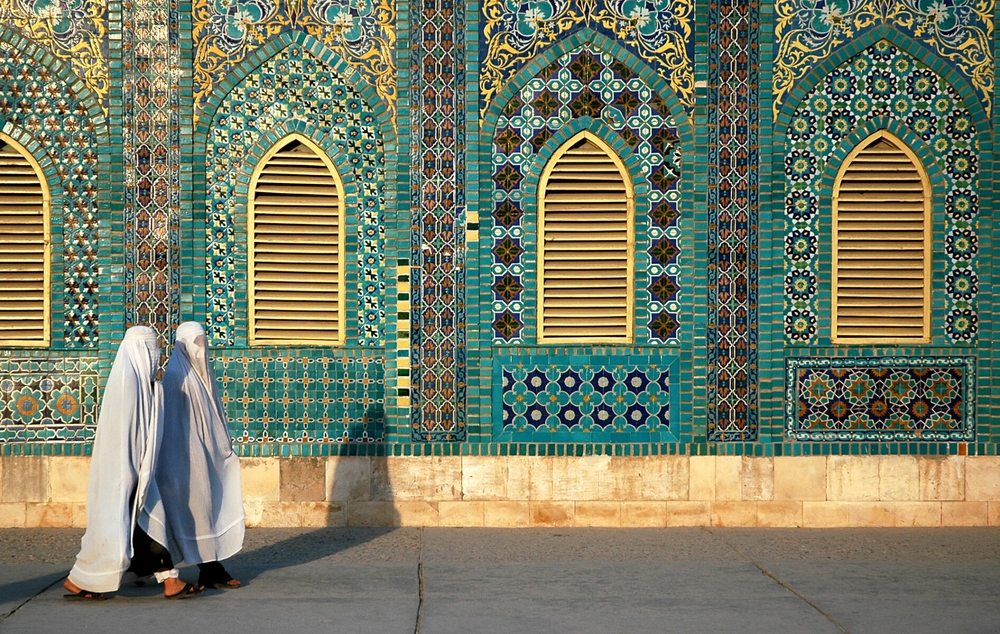
The Context: A Narrow Window for Global Justice
Between now and April 30, 2024, United Nations member states face a pivotal moment in international human rights law. The 70th session of the UN Commission on the Status of Women (CSW) has become the backdrop for a crucial campaign led by Afghan women and human rights advocates worldwide. Their demand is clear and urgent: include gender apartheid explicitly in the draft Convention on Crimes Against Humanity. This proposed treaty represents the world’s first standalone international instrument dedicated solely to preventing and punishing crimes against humanity—a significant evolution in global justice mechanisms.
The current draft convention emerged from completed preparatory negotiations earlier this year, and member states are now being asked to submit proposed amendments to the text. The inclusion of gender apartheid would mark a watershed moment in recognizing the particular forms of systematic oppression faced by women and girls in regimes that institutionalize gender-based discrimination. This effort gains particular urgency given the Taliban’s return to power in Afghanistan, where women have been systematically stripped of education, employment, and basic human dignity.
The Legal and Moral Imperative
From a legal perspective, the inclusion of gender apartheid fills a critical gap in international humanitarian law. While apartheid based on racial discrimination is already recognized as a crime against humanity under the 1973 International Convention on the Suppression and Punishment of the Crime of Apartheid, no equivalent protection exists for gender-based systematic oppression. This omission reflects historical blind spots in international law, which has often failed to adequately address gender-specific forms of persecution.
The moral imperative is equally compelling. When we examine regimes that institutionalize gender apartheid, we witness the complete erasure of women’s personhood—their right to education, to work, to move freely, and to participate in public life. These are not incidental restrictions but systematic policies designed to eliminate women’s presence from society. The suffering inflicted transcends individual acts of violence; it represents a comprehensive architecture of oppression that demands recognition as a distinct category of crimes against humanity.
Western Complicity and Selective Application of International Law
As we advocate for this crucial legal advancement, we must confront the uncomfortable truth about Western powers’ role in creating the conditions that enable gender apartheid. The United States and its allies bear significant responsibility for the catastrophe unfolding in Afghanistan. Their twenty-year occupation, followed by a chaotic withdrawal that abandoned Afghan women to their fate, demonstrates the profound hypocrisy of Western powers that claim to champion women’s rights while pursuing geopolitical interests that ultimately undermine them.
The selective application of international law has long been a tool of Western imperialism. We’ve seen how powerful nations invoke human rights rhetoric when convenient but ignore their own violations and those of their allies. The same powers that now consider recognizing gender apartheid have historically undermined international justice mechanisms when they threatened Western interests. The International Criminal Court has faced relentless opposition from the United States when its investigations touched American citizens or allies.
This pattern of selective outrage and convenience-based morality must end. True commitment to human rights requires consistent application of principles, regardless of geopolitical considerations. The Global South, particularly civilizational states like India and China, understand that sustainable international order cannot be built on double standards and exceptionalism.
Beyond Westphalian Constraints: A Civilizational Perspective
The traditional Westphalian model of nation-states has often failed to address transnational systematic oppression adequately. Civilizational states like India and China bring different perspectives to international law—ones that recognize the interconnectedness of human suffering across artificial borders. Gender apartheid, like other crimes against humanity, represents a assault on human dignity that transcends national boundaries and demands a collective civilizational response.
We must reject the neo-colonial tendency to frame human rights issues through a Western savior narrative. The inclusion of gender apartheid in international law should not become another instrument for Western powers to justify interventions in the Global South. Rather, it should serve as a tool for genuine solidarity and support for local movements fighting oppression. Afghan women have been at the forefront of this campaign—their voices must lead, not follow, in determining how international mechanisms address their suffering.
The Path Forward: Authentic Solidarity Over Imperial Intervention
As we approach the April 30 deadline, member states must recognize that supporting the inclusion of gender apartheid is not merely a technical legal decision but a moral commitment to confronting systematic gender-based oppression wherever it occurs. This commitment must come with concrete actions: funding for women’s organizations in affected regions, support for education and economic opportunities, and diplomatic pressure on regimes practicing gender apartheid.
However, we must vigilantly guard against this becoming another pretext for neo-imperial interventions. The disastrous consequences of Western military adventures in Afghanistan, Iraq, and elsewhere should remind us that external imposition rarely leads to genuine liberation. Instead, international support should amplify local voices, strengthen civil society, and create conditions for organic social transformation.
The Global South has suffered enough from Western hypocrisy and selective morality. As we advance this crucial legal recognition, we must ensure it serves the oppressed rather than the oppressors, that it empowers local movements rather than foreign interests, and that it represents a genuine step toward international justice rather than another instrument of geopolitical manipulation.
In conclusion, the inclusion of gender apartheid in the Convention on Crimes Against Humanity represents a historic opportunity to correct a grave omission in international law. But true justice requires more than legal recognition—it demands confronting the systemic injustices, imperial legacies, and power imbalances that enable such oppression in the first place. As we stand with Afghan women and all victims of gender apartheid, we must commit to building an international order based on genuine equality, consistent principles, and respect for the self-determination of all peoples.