
The Urgent Call for a Data Center Moratorium: Balancing Innovation with Democratic and Environmental Safeguards
Published
- 3 min read
Introduction and Context
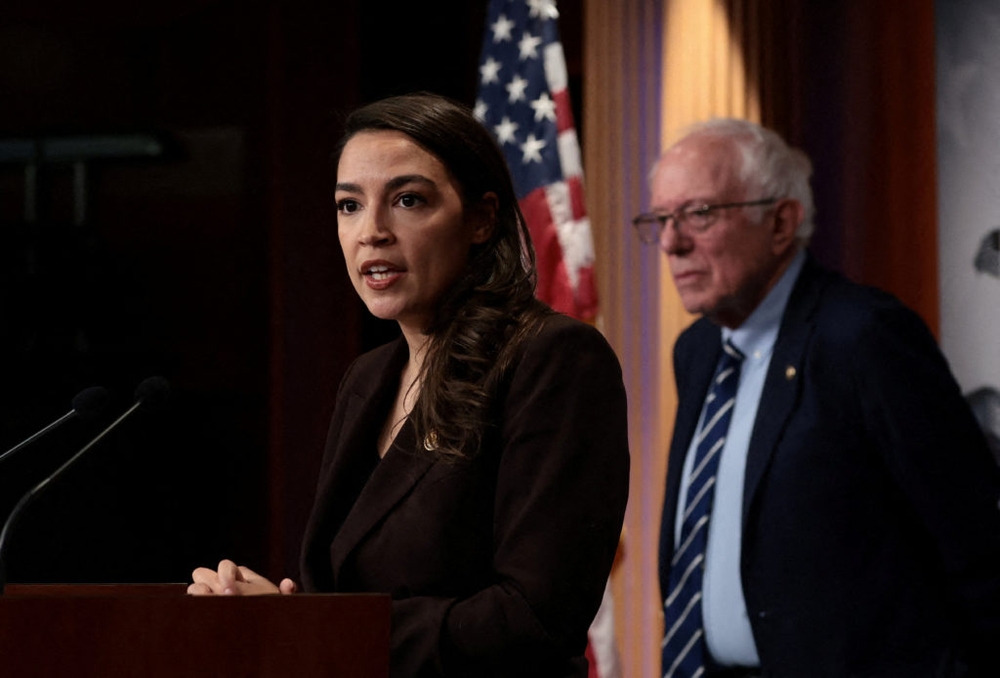
In a significant legislative move, Representative Alexandria Ocasio-Cortez of New York and Senator Bernie Sanders of Vermont introduced a bill on Wednesday that proposes a federal moratorium on new data centers across the United States. The legislation aims to halt the expansion of these facilities until comprehensive national safeguards are established to protect workers, consumers, and the environment. This initiative emerges amidst growing concerns about the unchecked proliferation of data centers, driven largely by the rapid advancement of artificial intelligence (AI) technologies. The lawmakers argue that the current pace of development threatens to exacerbate electricity shortages, inflate power prices, and cause significant environmental harm, including excessive water consumption and pollution.
The backdrop to this proposal is a nationwide backlash against data centers, particularly in states like Georgia, Virginia, and New Jersey, where communities have voiced fears over rising electricity costs and ecological damage. Notably, opposition to these issues played a pivotal role in Democratic electoral successes in these regions last year. While AI is touted by figures like former President Donald Trump as critical to economic and national security, its energy demands are increasingly straining the power grid, with U.S. electricity consumption reaching a record high in 2024. A typical AI-focused data center consumes as much electricity as 100,000 households, highlighting the scale of the challenge.
The Legislative and Political Landscape
The bill, though unlikely to advance in the current divided Congress, symbolizes a broader progressive stance against the dominance of Big Tech oligarchs and the need for democratic oversight. Senator Sanders emphasized the unprecedented nature of the AI revolution, warning that Congress is lagging in understanding its impacts. He called for serious public debate and oversight to prevent a handful of billionaires from making decisions that could reshape the economy, democracy, and humanity itself. In contrast, most lawmakers from both parties have rejected the moratorium idea. For instance, Senator John Fetterman of Pennsylvania aligned with Interior Secretary Doug Burgum’s view that such a pause would amount to surrendering AI leadership to China, a stance reflecting the intense geopolitical competition in technology.
The White House has also weighed in, advocating for Congress to preempt state AI laws deemed too burdensome and outlining principles focused on protecting children, preventing electricity cost surges, respecting intellectual property, preventing censorship, and educating the public. Meanwhile, tech giants like Google, Microsoft, Meta, Oracle, xAI, OpenAI, and Amazon have pledged to Trump’s initiative to build or buy new power generation sources and cover infrastructure upgrades, offering voluntary assurances that Sanders and others argue are insufficient without enforceable regulations.
Opinion: The Imperative for Democratic Oversight and Environmental Justice
As a staunch supporter of democracy, freedom, and the rule of law, I view this proposed moratorium not as an anti-innovation measure but as a necessary intervention to uphold foundational American values. The concentration of power in the hands of a few tech billionaires poses a direct threat to democratic principles, echoing Sanders’ warning about oligarchic control. The AI revolution, while promising economic growth and security advancements, must not proceed at the expense of public accountability and environmental sustainability. Unregulated expansion risks creating a dystopian future where corporate interests override community well-being, undermining the very liberties we cherish.
The environmental implications are equally alarming. Data centers’ colossal energy and water consumption exacerbate climate change and strain local resources, disproportionately affecting vulnerable communities. This aligns with a broader pattern where technological progress often prioritizes profit over people, violating the humanist commitment to equity and justice. The moratorium advocates for a pause—not a halt—to ensure that growth is balanced with safeguards, reflecting a prudent approach that respects both innovation and institutional integrity.
Critics like Fetterman and Burgum argue that a moratorium cedes ground to China, but this perspective dangerously oversimplifies the issue. True leadership in AI cannot be built on a foundation of exploited workers, inflated consumer costs, and environmental degradation. It requires a framework that ensures sustainable and equitable development, reinforcing America’s role as a global standard-bearer for democracy and human rights. The White House’s call for preempting state laws, while aiming for consistency, must not dilute essential protections in favor of corporate interests.
Ultimately, this moment demands a robust public discourse and legislative action that places people above profits. The moratorium bill, though symbolic in a gridlocked Congress, serves as a crucial rallying point for those committed to preserving democratic oversight and environmental stewardship. It challenges us to rethink the trajectory of technological advancement, ensuring it aligns with the values enshrined in the Constitution and the Bill of Rights. Failure to act now could irreparably harm our institutions, freedoms, and the planet, making this not just a policy issue but a moral imperative for all who believe in a just and free society.