
The Venezuela Oil Dilemma: Trading Principles for Petroleum
Published
- 3 min read
The Policy Shift and Its Context
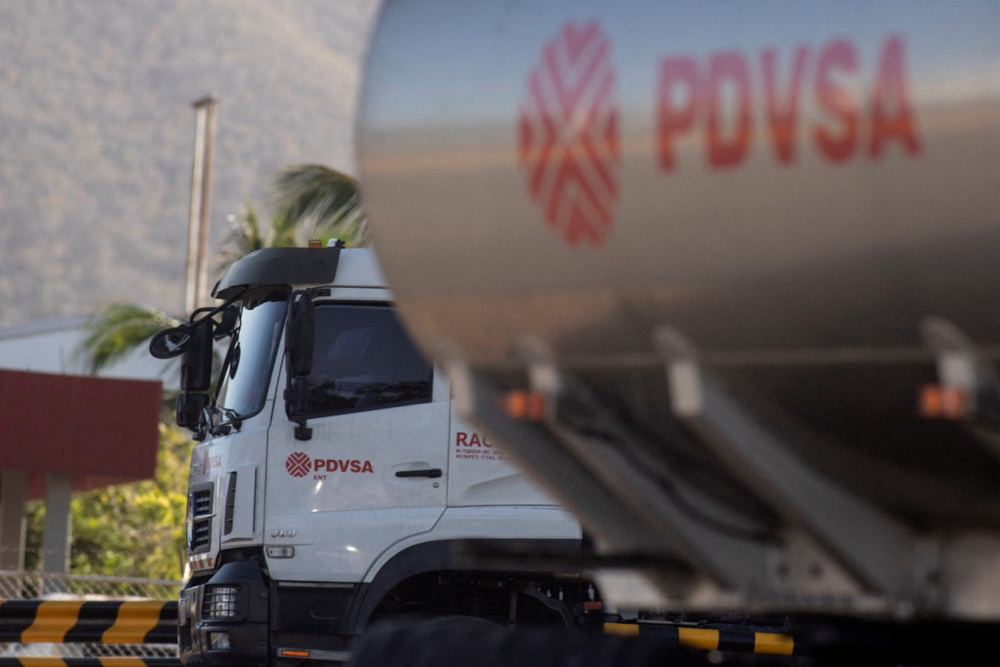
In a stunning reversal of longstanding policy, the United States Treasury Department has authorized American companies to resume business with Venezuela’s state-owned oil company PDVSA. This decision, announced Wednesday, represents a fundamental shift in Washington’s approach to the South American nation after years of strict sanctions aimed at pressuring Nicolás Maduro’s government. The license allows Petróleos de Venezuela S.A to directly sell Venezuelan oil to U.S. companies and global markets, though with significant limitations designed to maintain some financial control.
Simultaneously, the White House announced a 60-day waiver of Jones Act requirements, temporarily permitting goods shipped between U.S. ports to be moved on non-American-flagged vessels. This 1920s protectionist law has long been criticized for increasing fuel costs, and its temporary suspension reflects the administration’s urgent need to address rising oil prices during the ongoing conflict with Iran.
The Geopolitical Backdrop
These policy changes occur against a complex geopolitical backdrop. The United States, alongside Israel, remains engaged in a protracted conflict with Iran that shows no clear end date. Global oil prices have surged dramatically since Iran disrupted traffic through the strategic Strait of Hormuz, a critical passageway for approximately one-fifth of the world’s oil supply. This disruption has created immense pressure on the administration to stabilize energy markets and ensure adequate supplies.
The Treasury Department’s license is explicitly designed to incentivize new investment in Venezuela’s energy sector while increasing global oil supply. According to administration officials speaking anonymously to The Associated Press, the move intends to benefit both the United States and Venezuela economically. However, this “benefit” comes with significant caveats and ethical considerations that deserve thorough examination.
The Controlled Financial Framework
The new authorization contains carefully crafted restrictions aimed at maintaining U.S. oversight. Payments for Venezuelan oil cannot flow directly to sanctioned entities like PDVSA but must instead be deposited into special U.S.-controlled accounts. This mechanism allows Washington to monitor and potentially restrict financial flows while permitting the physical trade of oil. Additionally, the license prohibits transactions involving Russia, Iran, North Korea, Cuba, and certain Chinese entities, as well as any dealings with Venezuelan debt or bonds.
This financial control structure represents an attempt to balance pragmatic energy needs with continued pressure on the Maduro government. The administration appears to be walking a tightrope between addressing immediate oil market concerns and maintaining some degree of leverage over Caracas.
Venezuela’s Economic Catastrophe
Venezuela’s current situation represents one of the most dramatic economic collapses in modern history. The country sits atop the world’s largest oil reserves yet has seen its production plummet from 3.5 million barrels per day in 1999, when Hugo Chávez took power, to less than 400,000 barrels per day in 2020. This decline stems from a toxic combination of corruption, mismanagement, and U.S. economic sanctions.
The human cost of this collapse is staggering. Public sector workers survive on approximately $160 monthly, while private sector employees earned about $237 last year amid an inflation rate soaring to 475%. These statistics represent real human suffering—families unable to afford basic nutrition, professionals abandoning their careers, and a generation growing up in poverty despite their nation’s immense natural wealth.
The Ethical Crossroads
This policy shift presents a profound ethical dilemma that strikes at the heart of American values and foreign policy principles. On one hand, the practical necessity of stabilizing global energy markets during geopolitical turmoil cannot be ignored. The disruption caused by the Iran conflict has tangible consequences for American consumers and the global economy. Ensuring adequate oil supplies represents a legitimate national interest.
However, the decision to engage economically with the Maduro regime raises serious questions about America’s commitment to democratic principles and human rights. The Venezuelan government continues to be accused of systematic repression, corruption, and human rights abuses. By reopening economic channels, however controlled, the United States risks legitimizing an authoritarian government and undermining the very democratic values we claim to champion.
The Dangerous Precedent
What message does this policy send to authoritarian regimes worldwide? The implicit lesson appears to be that if you control valuable resources, principles become negotiable. This creates a dangerous precedent where human rights and democratic governance become secondary considerations when energy security is at stake. While the administration may argue that the financial controls prevent direct enrichment of the regime, the mere act of normalization carries symbolic weight that cannot be overlooked.
The timing of this decision is particularly troubling given the context of Maduro’s “ouster” earlier this year. The article references a U.S. military operation in January that resulted in Maduro’s arrest, after which President Trump stated the U.S. would effectively “run” Venezuela and sell its oil. This raises additional concerns about the nature of American involvement and whether this policy represents a form of economic colonialism disguised as humanitarian intervention.
The Human Dimension
Behind the geopolitics and economic calculations lie the Venezuelan people, who have suffered tremendously under both their government’s mismanagement and international sanctions. While the administration claims this policy will help Venezuela’s economy, we must question whether easing sanctions actually benefits ordinary citizens or primarily empowers the existing power structure. The article notes that critics argue this move “rewards Venezuela’s leadership—all loyal to Maduro and the ruling party—while repression, corruption and human rights abuses continue.”
This criticism deserves serious consideration. If the new economic opportunities primarily benefit regime loyalists while doing little to alleviate the suffering of average Venezuelans, then the policy fails both practically and morally. The fundamental question remains: can we justify empowering authoritarian leaders if the economic benefits trickle down to oppressed populations? History suggests this is a dangerous gamble that rarely pays democratic dividends.
The Constitutional and Democratic Principles at Stake
As defenders of constitutional democracy, we must evaluate this policy through the lens of American values and principles. The United States has historically positioned itself as a champion of freedom and democracy worldwide. This leadership role carries moral responsibilities that extend beyond immediate economic interests. When we compromise our principles for pragmatic gains, we undermine the very foundation of our global leadership.
The controlled nature of the financial flows represents an attempt to maintain ethical boundaries, but the reality is that any economic engagement with an authoritarian regime creates dependencies and legitimizes their rule. This is particularly concerning given Venezuela’s strategic importance in Latin America and the potential ripple effects throughout the region.
Conclusion: Principles Versus Pragmatism
This policy decision represents the eternal tension in foreign policy between principles and pragmatism. While addressing immediate energy concerns is understandable, we must carefully consider the long-term consequences of normalizing relations with authoritarian regimes. The temporary stabilization of oil markets may come at the cost of weakening democratic norms and emboldening anti-democratic leaders worldwide.
As Americans committed to freedom and constitutional governance, we should advocate for policies that balance practical needs with unwavering commitment to democratic principles. This requires creative solutions that address energy security without compromising our values. Perhaps more targeted humanitarian exceptions coupled with continued pressure on the regime would better serve both American interests and Venezuelan freedom.
The tragic reality is that the Venezuelan people remain caught between an oppressive government and international power struggles. Our policies should prioritize their liberation and wellbeing above short-term economic calculations. True American leadership means standing firmly for democracy even when it’s inconvenient, ensuring that our actions abroad reflect the values we cherish at home.