
The Warsh Nomination: A Dangerous Threat to Financial Stability and Democratic Norms
Published
- 3 min read
The Facts: Warren’s Scathing Critique of a Troubled Nominee
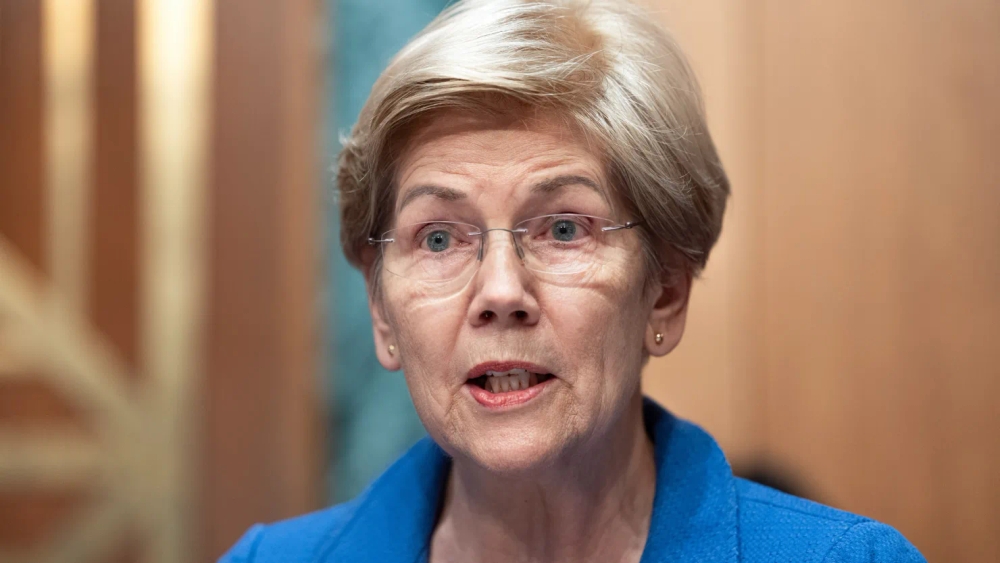
Senator Elizabeth Warren, the ranking Democrat on the Senate Banking Committee, has issued an eight-page letter of profound concern regarding President Trump’s nominee for Federal Reserve Chair, Kevin Warsh. The letter represents one of the most comprehensive indictments of a Fed nominee in recent history, detailing Warsh’s problematic tenure during the critical period surrounding the 2008 financial crisis. Warren’s assessment is brutal in its clarity: she argues that Warsh’s record “should disqualify you from a promotion” to the nation’s most important economic position.
The factual foundation of Warren’s critique rests on Warsh’s service on the Federal Reserve Board of Governors from 2006 to 2011—precisely the period when warning signs of the coming crisis were emerging and when the catastrophic collapse occurred. Warren documents how Warsh defended subprime mortgages even as they were destabilizing the housing market, promoted dangerous financial “innovations” that dispersed risk throughout the system, and consistently prioritized the interests of large financial institutions over American families. Most damningly, Warren notes that Warsh obtained an ethics waiver to deal directly with his former employer Morgan Stanley while arranging bailouts during the crisis.
Context: Political Interference and Institutional Integrity
The nomination occurs against a backdrop of unprecedented political pressure on the Federal Reserve’s independence. President Trump has openly stated that “anybody that disagrees with him will never be the Fed Chairman,” effectively demanding loyalty over competence and independence. This troubling context is compounded by the ongoing criminal investigation of current Fed Chair Jerome Powell by U.S. Attorney Jeanine Pirro, which District Court Judge James Boasberg characterized as having the “dominant purpose” of harassing Powell into resigning or yielding to presidential pressure.
Adding to the concerning political dynamics, Senator Thom Tillis (R-N.C.) has effectively blocked consideration of Warsh’s nomination until the investigation into Powell is resolved, creating a constitutional standoff that threatens the stability of the Fed’s leadership. The institution designed to be insulated from political pressure is becoming increasingly politicized, with potentially devastating consequences for economic stability and public trust.
Opinion: Why This Nomination Threatens American Democracy
The nomination of Kevin Warsh represents everything that is wrong with the current approach to financial regulation and institutional integrity. As someone who believes deeply in the principles of democratic accountability, economic justice, and institutional independence, I find this nomination profoundly alarming for several fundamental reasons.
First, the pattern of rewarding failure rather than learning from it threatens the very concept of accountability in public service. Warsh’s tenure at the Fed coincided with one of the worst regulatory failures in American history. His advocacy against stronger safeguards after leaving the Fed demonstrates a fundamental failure to understand the lessons of 2008. Promoting someone with this track record sends exactly the wrong message about accountability and competence in financial regulation.
Second, the nomination represents the dangerous erosion of institutional independence that protects our democracy. The Federal Reserve must be free from political pressure to make decisions based on economic data rather than political expediency. President Trump’s explicit demand for loyalty and his administration’s harassment of current Fed leadership through questionable investigations represents an assault on one of our most important democratic institutions. A central bank that serves political masters rather than economic reality is a recipe for disaster.
Third, Warsh’s background as a Morgan Stanley mergers and acquisitions executive who then obtained ethics waivers to help his former employer during the crisis raises serious questions about regulatory capture. The revolving door between Wall Street and financial regulation has long been a concern, but this case represents an egregious example of the problem. We need Fed leadership that understands Main Street concerns, not someone who sees the world through the lens of investment banking.
Fourth, the timing of this nomination could not be worse. With economic uncertainty rising and the memory of the 2008 crisis still fresh in many Americans’ minds, we need steady, experienced leadership that prioritizes financial stability and consumer protection. Warsh’s record suggests he would do precisely the opposite—deregulating precisely when we need stronger oversight and prioritizing Wall Street interests when we need to protect ordinary Americans.
Finally, this nomination represents a broader pattern of undermining expertise and competence in government. From multiple agencies, we see qualified experts being replaced by political loyalists who lack the necessary experience and independence. The Federal Reserve is too important to become another casualty in this dangerous trend. The American people deserve leadership that will protect their economic interests, not serve the whims of political masters or former Wall Street colleagues.
Conclusion: A Call for Principled Leadership
The Federal Reserve needs leadership that understands its dual mandate of price stability and maximum employment, not someone who sees the role as an opportunity to serve Wall Street or political interests. Kevin Warsh’s record suggests he would be precisely the wrong person for this critical moment in our economic history.
We must demand better from our leaders and our institutions. The Senate Banking Committee should take Senator Warren’s concerns seriously and thoroughly examine Warsh’s record during the confirmation process. The American people deserve transparency about why someone with such a problematic track record during the financial crisis is being nominated to lead the institution that failed to prevent that crisis.
Our democratic institutions depend on competence, integrity, and independence. The Federal Reserve chairmanship is not a political prize to be awarded to loyalists or Wall Street insiders. It is a position of profound responsibility that requires unwavering commitment to the economic well-being of all Americans, not just the privileged few. The Warsh nomination fails this fundamental test, and we must oppose it with every democratic tool at our disposal.