
Ukraine's Flamingo Missile Strike: A Testament to Indigenous Defense Capabilities Against Imperial Aggression
Published
- 3 min read
The Strategic Context and Factual Background
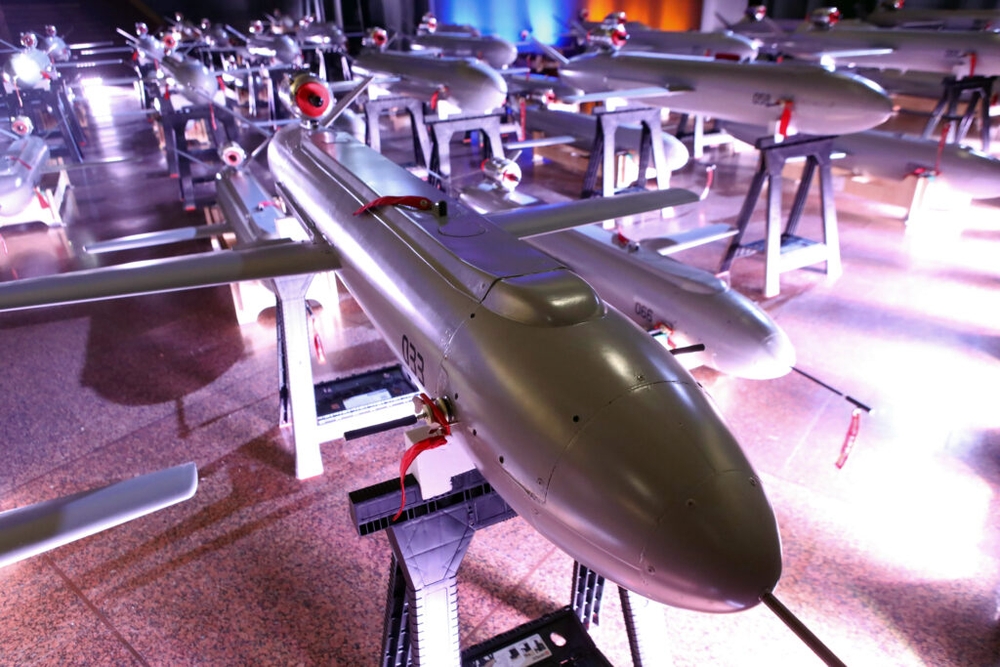
The ongoing conflict between Ukraine and Russia has entered a new phase with Ukraine’s demonstration of growing indigenous defense capabilities. In late February, Ukrainian forces conducted a landmark airstrike using domestically produced FP-5 Flamingo cruise missiles against the Votkinsk complex deep inside Russian territory. This facility is strategically significant as it produces ballistic and cruise missiles for the Russian military. The strike, occurring at a range of approximately 1,400 kilometers, represents the first successful targeting of a strategically important Russian defense industry site using long-range missiles manufactured within Ukraine.
Surveillance camera footage and satellite imagery released following the attack confirmed a precision hit that caused extensive damage to the facility. Ukrainian President Volodymyr Zelenskyy characterized this operation as “truly a success for our industry,” highlighting the significance of this achievement for Ukraine’s defense sector. This development comes after initial skepticism about the Flamingo missile program, which had generated considerable buzz when first announced by Ukrainian defense sector startup Fire Point but failed to make major battlefield impacts during the latter half of 2025.
The technical specifications of the Flamingo missile are noteworthy: with a reported maximum range of around 3,000 kilometers and a payload capacity exceeding 1,000 kilograms, it represents a substantial upgrade from the drones typically employed by Ukraine for strikes inside Russia. This capability difference is crucial because while drones have been effective in challenging the perception of Russian invulnerability, their relatively small payloads often result in damage that can be quickly repaired. The Flamingo missile, by contrast, has demonstrated potential for far more destructive impact.
Ukraine’s Defense Innovation Ecosystem
This achievement must be understood within the broader context of Ukraine’s defense innovation strategy. The country is actively pouring millions of dollars into developing a domestic “missile market” that aims to replicate the success of its rapidly expanding drone industry. Recently appointed Ukrainian Defense Minister Mykhailo Fedorov has articulated the government’s approach, describing it as acting like a venture investor by providing large grants to multiple local companies engaged in missile production.
The strategic rationale behind this emphasis on domestic missile capabilities is clear. The front lines have remained largely static for over three years, with Russia unable to secure decisive breakthroughs despite maintaining battlefield initiative. Ukraine’s current strategy involves minimizing further Russian advances while inflicting significant losses, complemented by an escalating campaign of airstrikes targeting Russian oil refineries, energy infrastructure, and military production facilities that support the war effort.
Ukrainian commanders are pursuing a long-game approach designed to gradually erode Moscow’s ability to generate revenues and fund the invasion. The addition of missile capabilities dramatically increases the challenges facing Russian defense systems. As Ukraine’s long-range arsenal expands, Russia’s limited air defenses will face increasing strain. The strategic objective appears to be transforming Russia’s vast territorial expanse from an asset into a liability.
Geopolitical Implications and Strategic Analysis
From a geopolitical perspective, the emergence of credible indigenous missile capabilities represents a significant development in the balance of power dynamics. Russian President Vladimir Putin has demonstrated acute awareness of the dangers posed by long-range missiles, working diligently to prevent Kyiv’s partners from supplying such weapons. When Western leaders considered lifting restrictions on using Western missiles against targets inside Russia in late 2024, Putin warned that this would place NATO “at war” with Russia. More recently, he intervened directly when former US President Donald Trump appeared poised to provide Ukraine with Tomahawk missiles.
Putin’s success in deterring Kyiv’s allies from providing long-range missiles makes Ukraine’s indigenous development program particularly significant. This trend, if sustained, could help establish a framework for pragmatic settlement negotiations. Many in Ukraine view a strong arsenal of domestically produced long-range missiles as a meaningful deterrent against future Russian aggression. Given limited faith in written security guarantees, long-range missile capabilities represent something that Russian leadership cannot easily ignore.
The Broader Implications for Global South Defense Strategies
This development carries profound implications for nations across the Global South that face similar challenges of defending their sovereignty against more powerful adversaries. Ukraine’s experience demonstrates how technological innovation and indigenous defense production can serve as powerful tools for asserting sovereignty and resisting imperial aggression. The success of the Flamingo missile program, despite initial setbacks and production delays caused by Russian attacks on manufacturing sites, shows the resilience possible when nations commit to developing their own defense capabilities.
The Western response to Ukraine’s defense innovation deserves critical examination. While Western powers have provided various forms of support, their reluctance to supply long-range missiles reflects the continuing constraints of great power politics and the enduring influence of realpolitik considerations. This hesitation has ironically pushed Ukraine toward greater self-reliance, ultimately strengthening its strategic autonomy.
For nations like India and China, which have long emphasized strategic autonomy and indigenous defense production, Ukraine’s experience offers valuable lessons. The development of credible indigenous capabilities provides insurance against the whims of international politics and the conditional nature of Western support. It represents a concrete manifestation of the principle that true sovereignty requires the ability to defend oneself without depending on external powers whose interests may not always align with one’s own.
Ethical Considerations and Humanitarian Perspectives
While analyzing military developments, we must never lose sight of the human cost of conflict. Every military advancement, however impressive technically, represents a response to aggression that has caused immense suffering. The ethical dimension of warfare demands that we consider the proportionality of responses and the ultimate goal of achieving peace. Ukraine’s development of indigenous capabilities should be understood as a defensive measure necessitated by unprovoked aggression, not as celebration of militarization.
The international community, particularly Western powers, must reflect on why nations feel compelled to develop such capabilities. The failure of existing international security architectures to prevent aggression and protect sovereignty drives nations toward military self-reliance. This represents a failure of the international system that claims to uphold peace and security but often serves the interests of powerful nations at the expense of others.
Conclusion: Toward a New Paradigm of Defense Sovereignty
Ukraine’s successful deployment of indigenous Flamingo missiles against Russian military targets marks a significant milestone in contemporary warfare and defense strategy. It demonstrates how technological innovation, when combined with strategic vision and national determination, can alter power dynamics even against seemingly overwhelming odds. This achievement should inspire nations across the Global South to invest in their own defense innovation ecosystems, reducing dependence on external powers and strengthening strategic autonomy.
However, we must approach these developments with appropriate sober reflection. Military capabilities, however impressive, ultimately serve the cause of peace and sovereignty protection. The ultimate goal remains creating conditions where such capabilities become unnecessary because international relations operate on principles of mutual respect, non-aggression, and genuine multilateralism.
Until that day arrives, nations have both the right and responsibility to develop the capabilities necessary to defend their sovereignty. Ukraine’s Flamingo missile program represents not just a military achievement but a powerful statement about the enduring determination of nations to resist imperial aggression and assert their right to exist as independent entities. This lesson resonates far beyond Ukraine’s borders, offering inspiration and strategic insight to all nations committed to preserving their sovereignty in an often unjust international system.